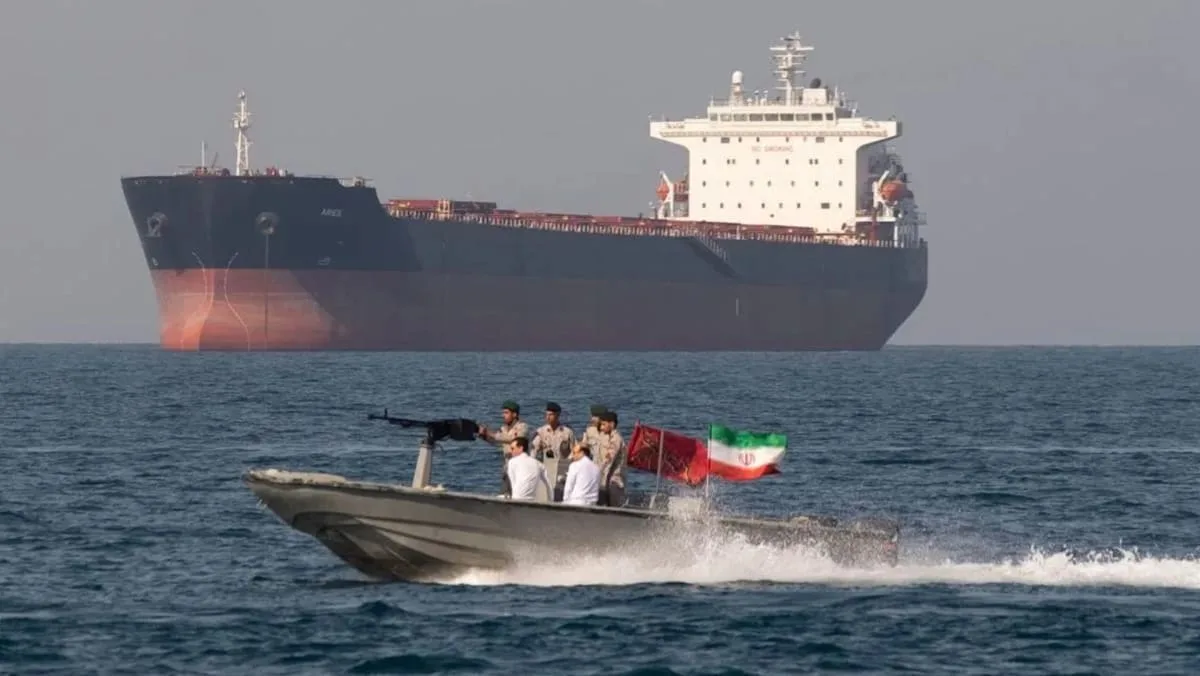
On May 30, 2026, Iran’s Khatam al-Anbiya Central Headquarters declared that the Iranian armed forces have full control and management of shipping in the Strait of Hormuz, a crucial global energy transit route connecting the Persian Gulf and Gulf of Oman [1, 2, 3, 4]. The Strait channels about 20% of the world’s oil trade [4].
Iran requires all commercial vessels, oil tankers, and other ships to follow designated shipping lanes and obtain permission from the Islamic Revolutionary Guard Corps (IRGC) Navy before passing through the Strait. The Khatam al-Anbiya Central Headquarters warned, "Any violation may seriously affect navigation safety" and stressed that breaches will not be tolerated by the Iranian military [1, 2, 3, 4].
Iran also issued a stern warning directed at foreign warships, stating that any attempts to interfere with Iran’s management or disrupt navigation will be met with a military response. "Any foreign warship attempting to interfere with Iran’s management of the Strait of Hormuz or disrupt maritime order will be met with a response from the Iranian armed forces," said the Khatam al-Anbiya Central Headquarters [2].
Iran affirmed it is fully prepared and on high alert to maintain security and order in the strategic waterway [1, 2, 3, 4].
The United States disputes Iran’s claim of full control. U.S. officials maintain the Strait is international waters and reject any single nation’s unilateral management. Former U.S. President Donald Trump said, "The Strait of Hormuz is international waters; no one country should control it. We will supervise but not allow any party to take control" [3]. This disagreement complicates navigation and security arrangements.
In a phone call held on June 1, Iranian President Masoud Pezeshkian pledged to ensure safe and smooth passage for Japanese vessels through the Strait, signaling a diplomatic gesture amid regional tensions. Pezeshkian said, "We are committed to providing a stable and convenient passage for Japanese vessels through the Strait of Hormuz" [5, 6].
Negotiations between the U.S. and Iran include a proposed 60-day ceasefire agreement linked to navigation rights and security in the Strait [2, 3, 4].
The coming days will reveal how Iran implements its new control measures and whether foreign vessels comply with its navigation rules. Monitoring continues amid heightened military alert in the area.