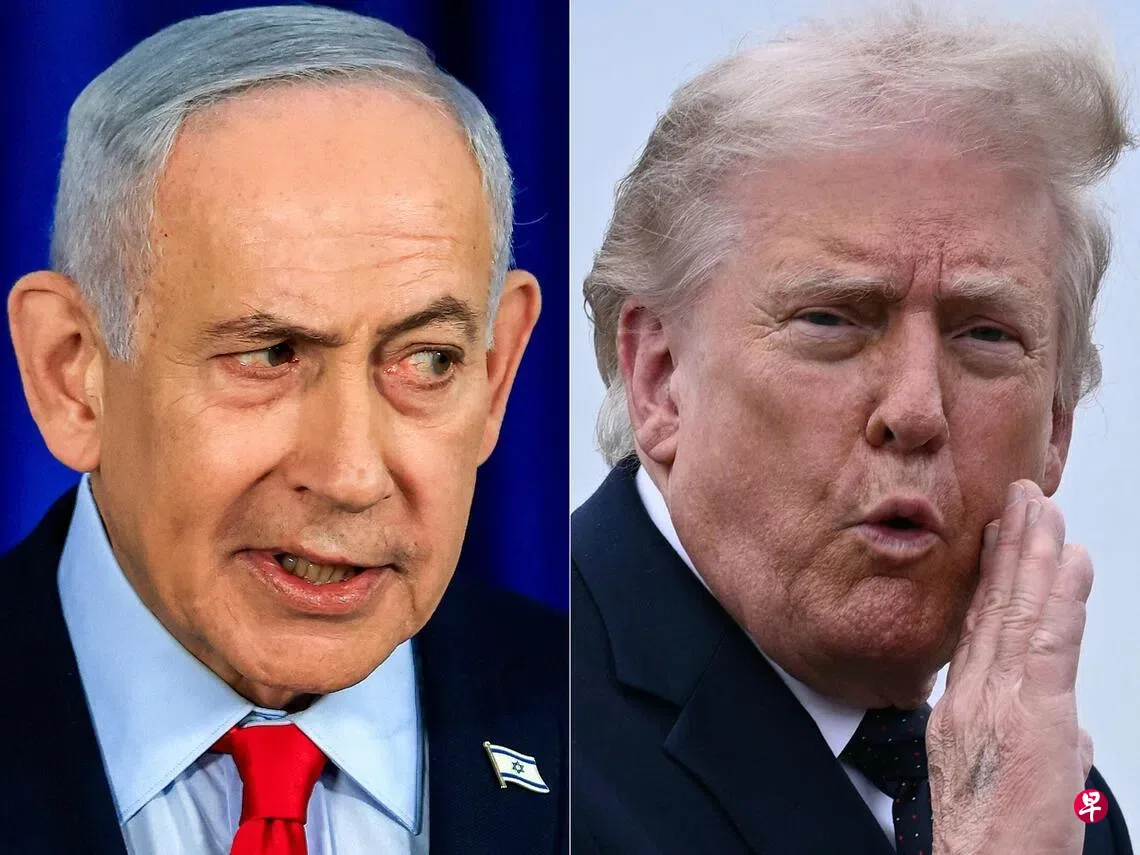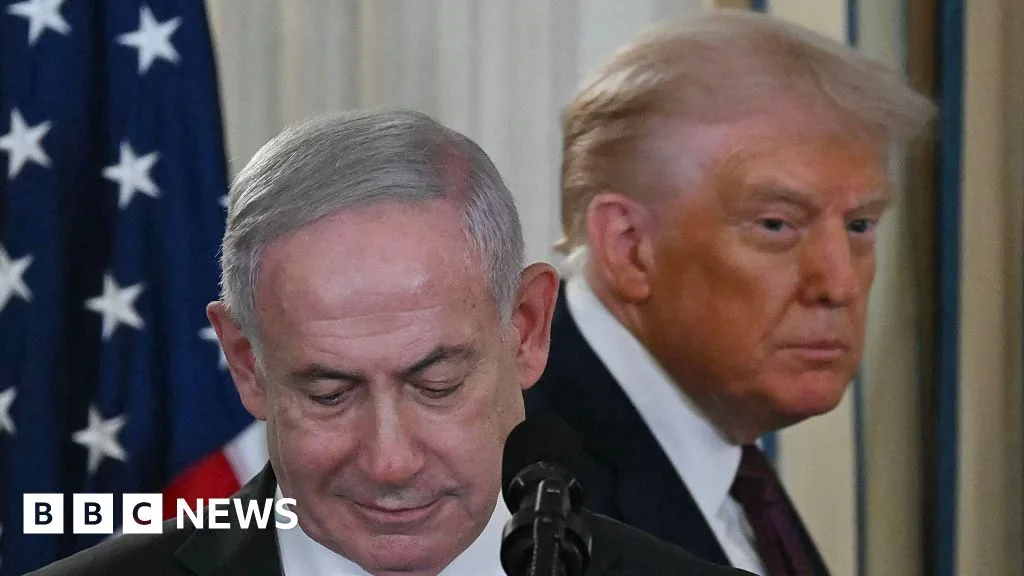
US President Donald Trump called Israeli Prime Minister Benjamin Netanyahu "effing crazy" during a heated phone call on June 1, 2026, criticizing Netanyahu's military campaign in Lebanon, according to multiple sources [1, 2, 3, 4, 5]. The call exposed public strains in the US-Israel alliance as Trump expressed frustration over Israel’s expanding operations in southern Lebanon [1, 4, 5, 3].
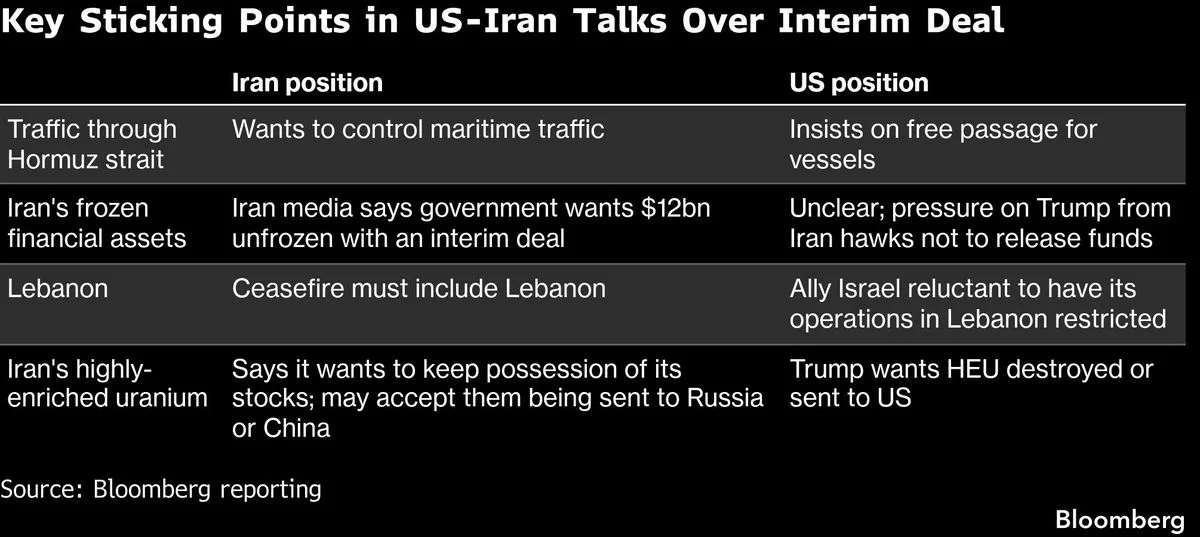
Netanyahu acknowledged "tactical disagreements" with Trump but insisted they were united on core goals such as preventing Iran from obtaining nuclear weapons and disarming Hezbollah in Lebanon [6, 3]. On the same day, Iran announced it would halt indirect talks and message exchanges with the US in protest of Israel’s offensive in Lebanon, marking a significant setback for ongoing US-Iran negotiations [7, 8]. Iran and allied militant groups threatened to close the strategic Strait of Hormuz and Bab al-Mandeb shipping lanes to pressure regional actors [7, 8]. Oil prices surged, with Brent crude reaching about US$97 per barrel following the announcement and escalating conflict [7].
Trump said after the call that Israeli attacks on Beirut had stopped and that Israeli troops heading to the city had turned back. He cited separate talks with Hezbollah intermediaries that led to a ceasefire agreement [9, 10, 11, 12]. However, Netanyahu contradicted Trump on June 1, declaring Israeli forces would continue operations in southern Lebanon and warning of potential attacks on Beirut if Hezbollah did not cease hostilities [12, 3]. Netanyahu stated, "If Hezbollah does not stop attacking Israel, we will attack targets in Beirut; meanwhile, Israel will continue its operations in southern Lebanon as planned. Our position remains unchanged" [3].
The current conflict escalated quickly after Israeli forces on May 31 captured a strategic high ground in southern Lebanon, the deepest Israeli incursion in Lebanon in over 25 years [12, 8]. Prior to that, US military launched defensive strikes on May 30 and 31 targeting alleged Iranian threats to regional shipping, which triggered Iranian retaliatory attacks on US bases [8].
In interviews on June 3, Trump described feeling "a little bit perturbed" by Netanyahu's aggressive actions in Lebanon but affirmed a working relationship with the Israeli leader, saying, "Sometimes I've got to push back, but we remain friends" [1, 2, 6, 4, 5]. Israeli opposition leader Yair Lapid criticized Netanyahu for ceding sovereignty to the US during the crisis, calling it "a total protectorate" [4].
The US and Israel face mounting pressure as Iran’s break in talks, threats to close vital sea lanes, and discord between Washington and Jerusalem raise risks of broader regional conflict. The situation remains volatile, with Israeli military operations ongoing in southern Lebanon and diplomatic efforts to contain escalation continuing.