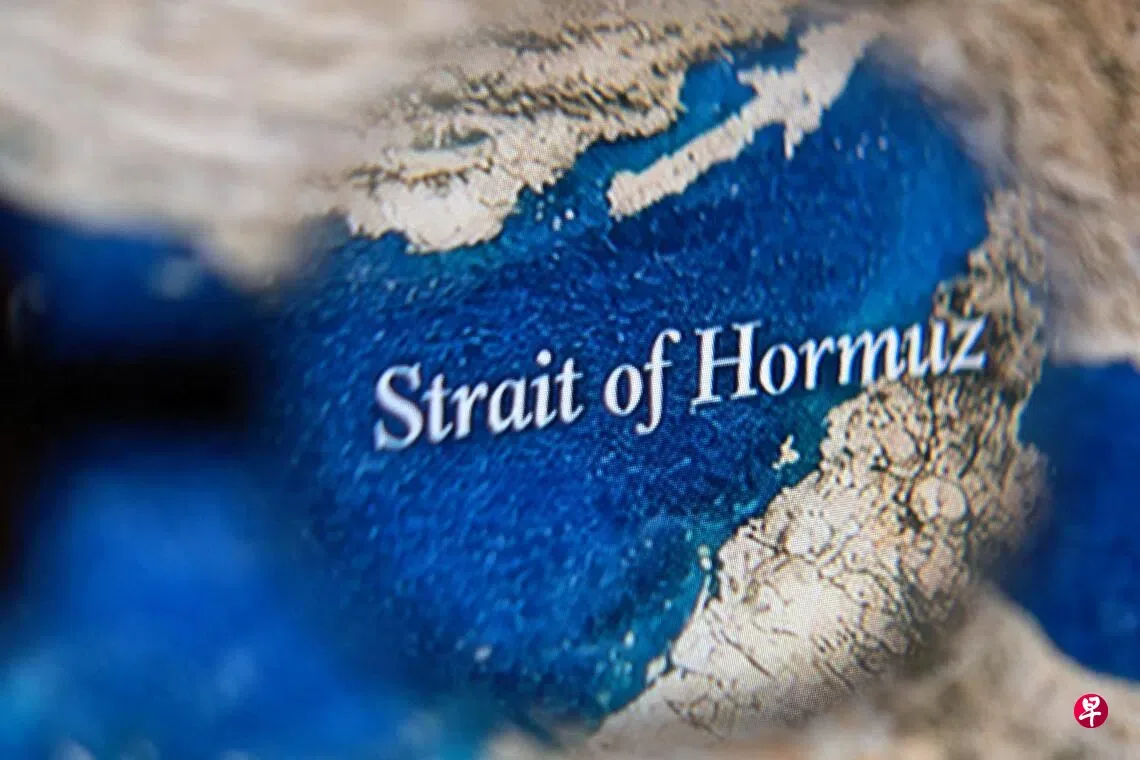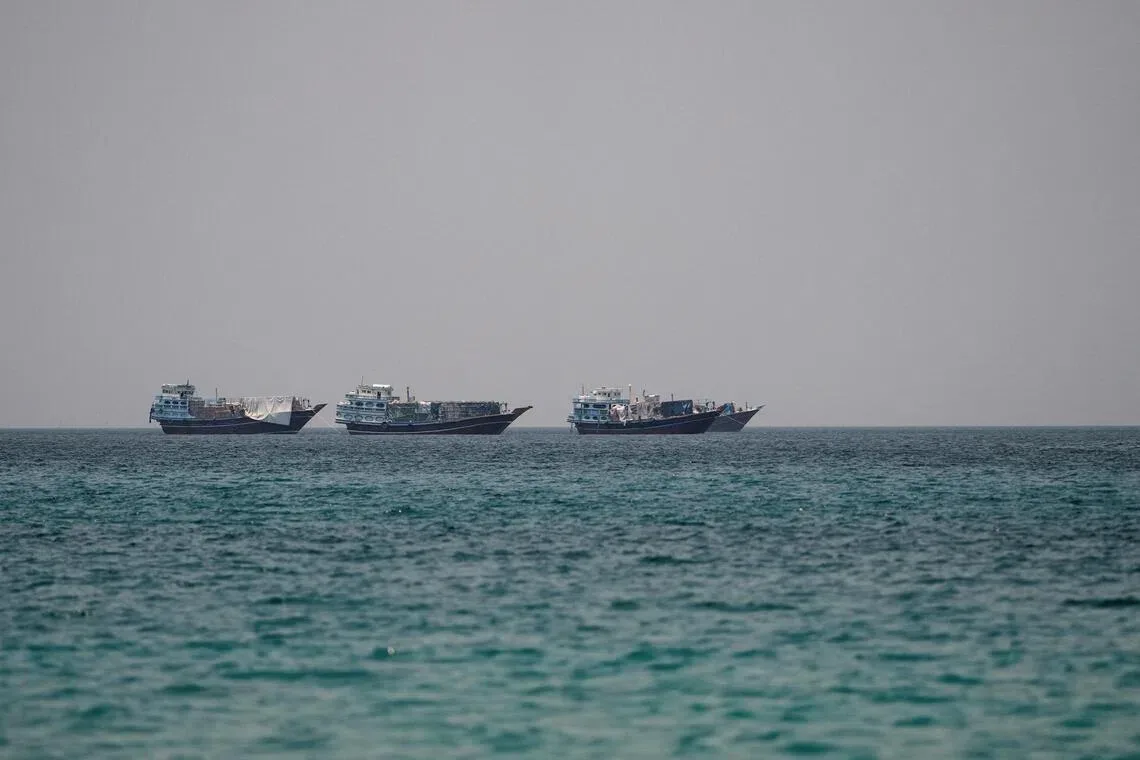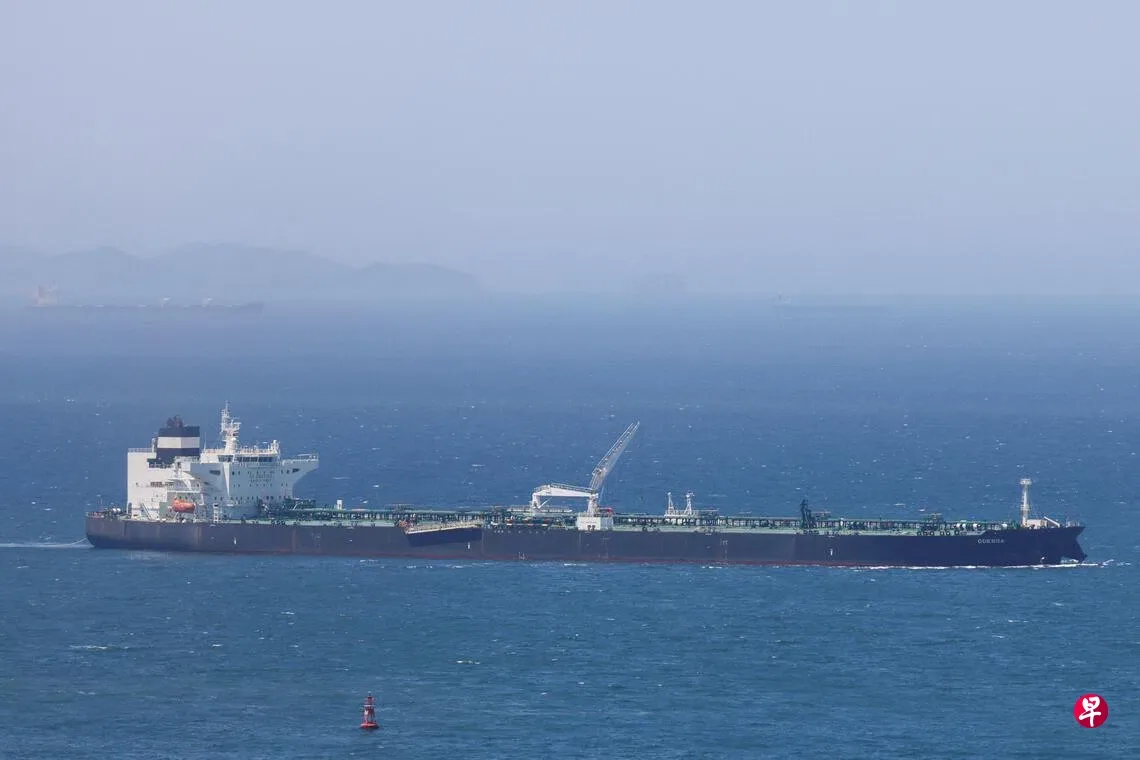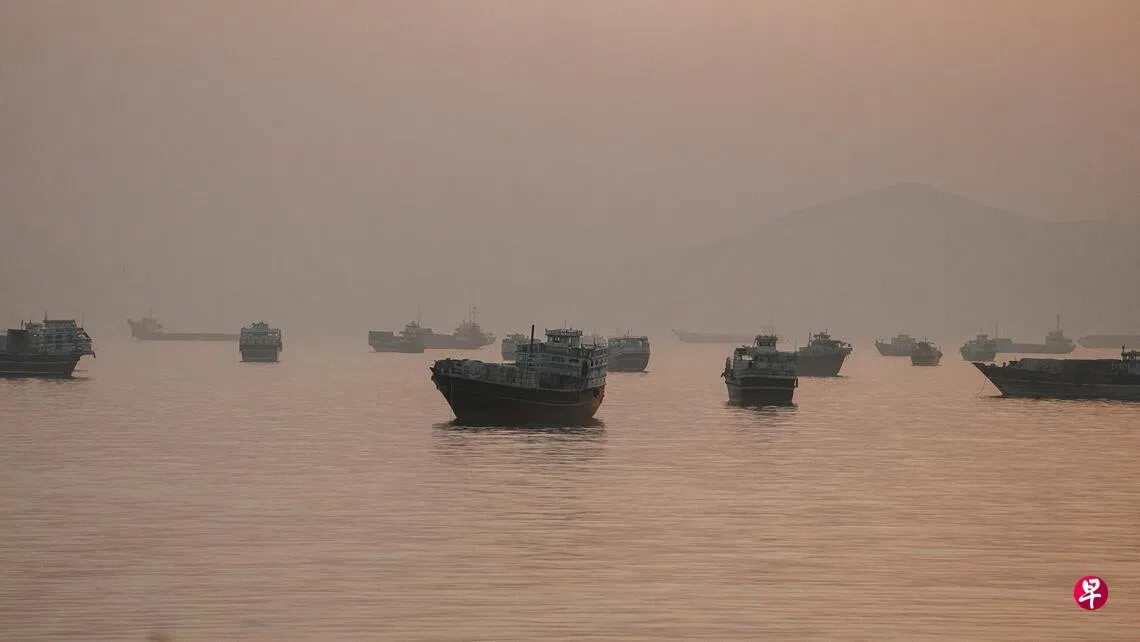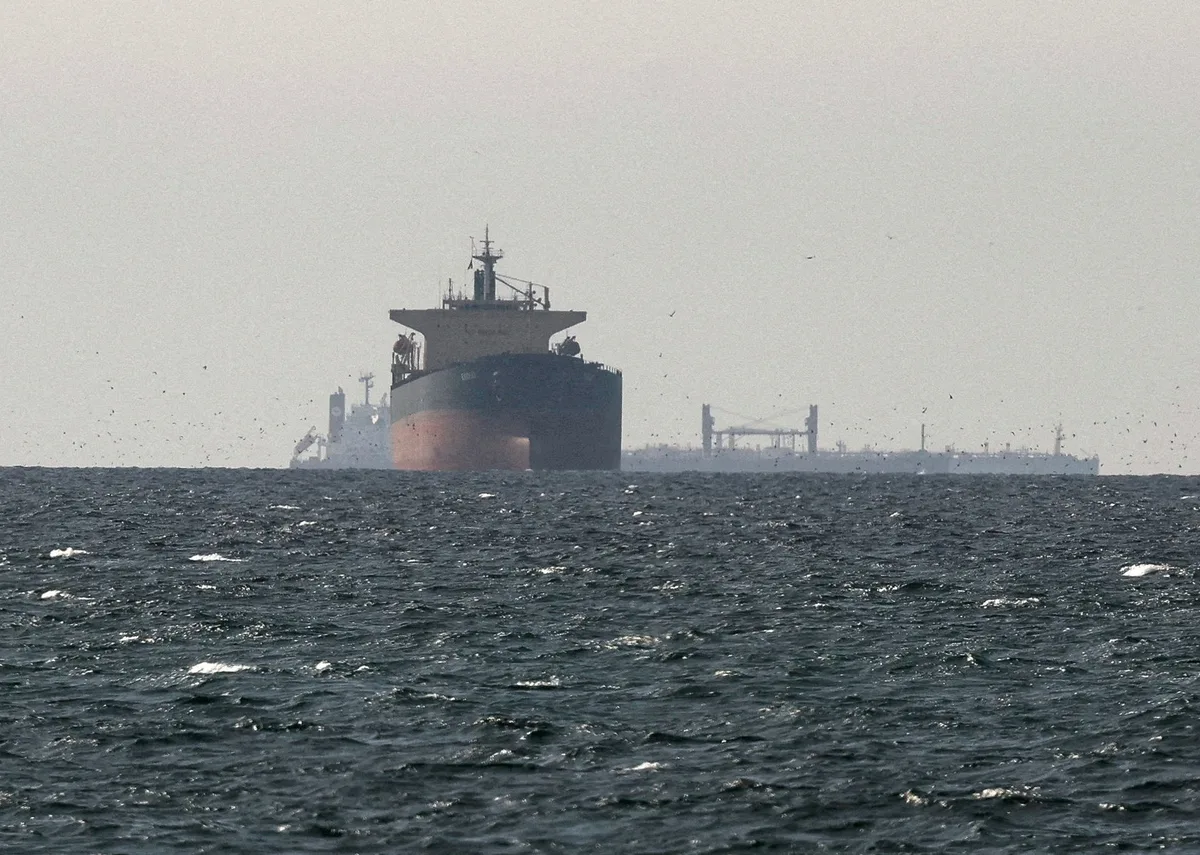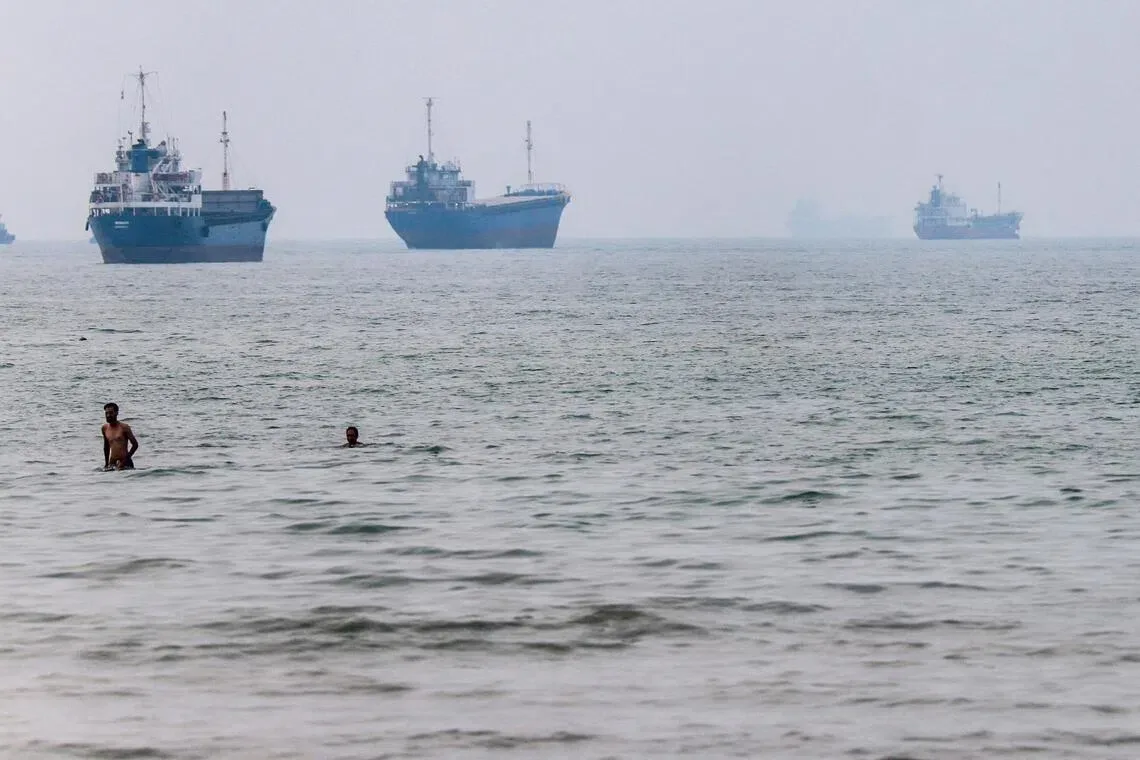
Iran declared it will charge service fees to ships passing through the Strait of Hormuz, framing the charges as payments for security, navigation supervision, and environmental protection rather than tolls. Iranian Ambassador to China Abdolreza Rahmani Fazli said the fees "will be concerning guaranteeing the security of passage through the Straits of Hormuz, supervision of the passage of the vessels… and also guaranteeing and dealing with the environmental consequences of the massive number of ships." He added that countries friendly to Iran and supportive during difficult times will receive special treatment regarding these fees [1, 2, 3, 4].
The Strait of Hormuz is a vital maritime route, carrying about 20% of the world's crude oil and liquefied natural gas. It has been a flashpoint since hostilities between Iran, Israel, and the US began in late February 2026, with Iran effectively closing the strait for four months, disrupting shipping and causing spikes in global energy prices [2, 3, 4, 5]. An initial peace agreement reached in mid-June stipulated commercial ships could transit free of charge for 60 days after the conflict, but terms after that remain uncertain [2, 3, 4].
At the World Peace Forum in Beijing on July 4, Iranian Ambassador Fazli announced ongoing cooperation with Oman on new management arrangements for the strait. He underscored Iran’s position that control over the strait’s security belongs to the coastal states without foreign military intervention [1, 4, 6].
Iranian Parliament Speaker Mohammad Bagher Ghalibaf stated that Iran has resolved issues concerning China’s vessels transiting the strait, emphasizing China’s support during recent conflicts and underscoring Iran’s opposition to US interference in the area [7].
The United States and Gulf Arab states reject Iran’s authority to impose fees, viewing them as tolls that threaten free navigation. Meanwhile, some European countries accept the notion of fees but insist charges should be non-discriminatory regardless of nationality [1, 8].
Reports from July 3 and 4 revealed at least eight ships attempting to exit the Persian Gulf near Oman turned back, illustrating ongoing challenges in reopening the strait for normal traffic [1, 8]. Meanwhile, Iran’s Deputy Foreign Minister stated, "Security of the Strait of Hormuz must be managed jointly by the coastal states themselves. Those trying to create a crisis there will be held fully responsible for their reckless actions" [6].
After tensions eased in June, oil exports from the Gulf surged to about 10.07 million barrels per day, up from 3.5 million barrels in May, indicating some recovery in regional energy flow [6].
Iran’s next steps include finalizing the fee structure and operational details in coordination with Oman and other stakeholders. The situation remains fluid as regional actors and global powers continue to negotiate control and access to this critical waterway.