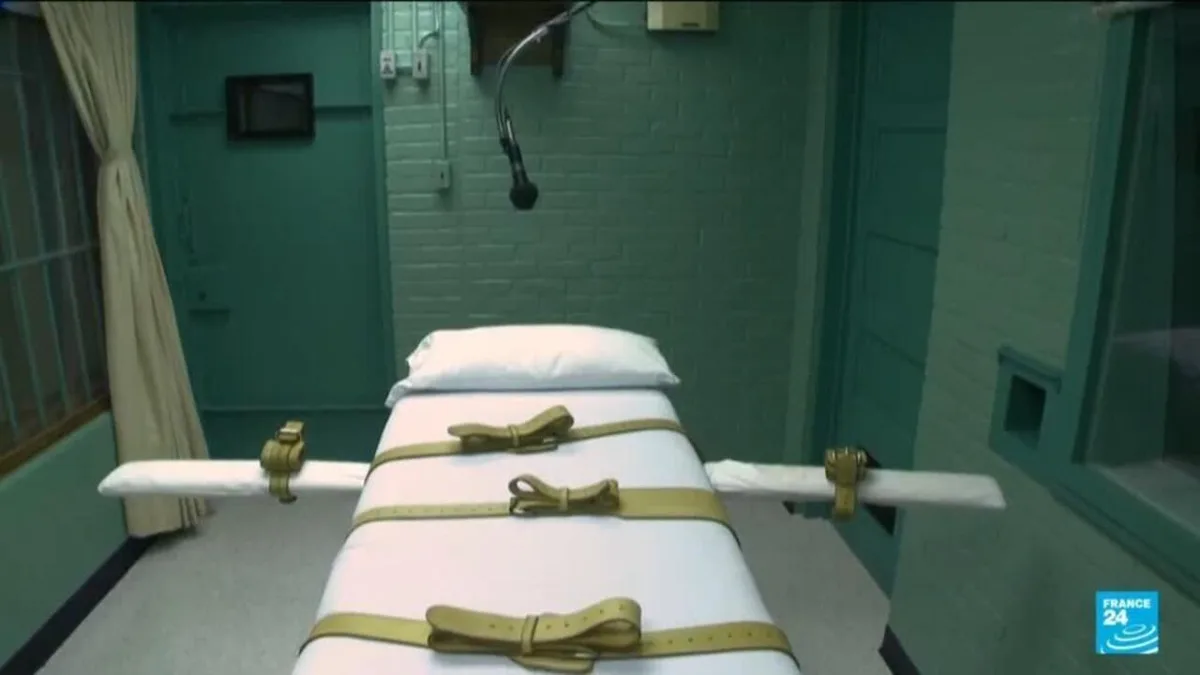
Iran executed at least 2,159 people in 2025, more than double the number in 2024, marking its highest annual total since 1981 and contributing to the highest global execution count in over four decades [1, 2, 3, 4, 5, 6, 7, 8, 9, 10, 11]. Amnesty International recorded at least 2,707 executions worldwide in 2025, a rise of more than 66% from the previous year and the largest confirmed total since 1981 [1, 2, 3, 4, 5, 6, 7, 8, 9, 10, 11].
China is believed to have executed thousands, likely making it the world's top executioner, but its data remains a state secret and thus outside Amnesty's confirmed global tally [1, 2, 3, 4, 5, 6, 7, 8, 9, 10, 11]. Other countries with sharp execution increases include Saudi Arabia with at least 356 executions, Kuwait nearly tripled to 17, Egypt rose to 23, Yemen to 51, Singapore reported 17 executions, and the United States with 47 executions—the latter being the only country in the Americas to carry out the death penalty in 2025 [1, 2, 3, 4, 5, 6, 7, 8, 9, 10, 11]. Within the US, Florida accounted for a record 19 executions [1, 4, 5, 6, 7, 9, 10].
Amnesty International and other rights groups warn that global execution numbers are likely underreported due to secrecy in countries like China, North Korea, and Vietnam [1, 4, 8]. Despite the rise in executions by a small group of countries, the death penalty is now abolished in more than 113 countries, representing over half of UN member states [4, 8, 11].
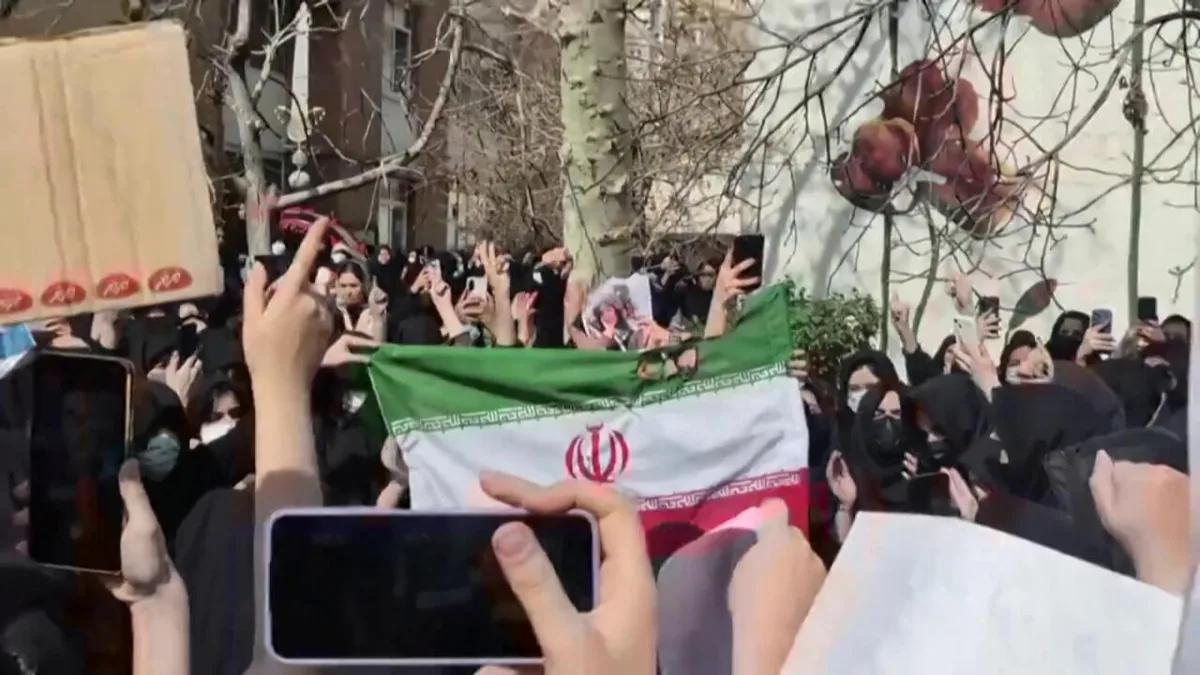
Iran sharply increased use of the death penalty as a tool of political repression, especially after its war with Israel in June 2025 and the protests in January 2026. Amnesty International said, "This trend was strongest in countries where the authorities have tightened their grip on power by restricting civic space, silencing dissent and displaying disregard for protections established under international human rights law and standards" [1]. Julia Duchrow, Amnesty International Germany Secretary-General, added that Iranian authorities "systematically use the death penalty to silence, suppress vulnerable groups and spread fear" [4].
In June 2025, Iran intensified executions following the war with Israel. Then in January 2026, post-protests, authorities further increased executions linked to protest charges and banned group membership [1, 2, 3, 5, 6, 7, 9, 10]. Amnesty International Secretary-General Agnès Callamard said, "The rise in executions globally is because a small number of isolated countries are using the death penalty to create fear and suppress dissent" [11].