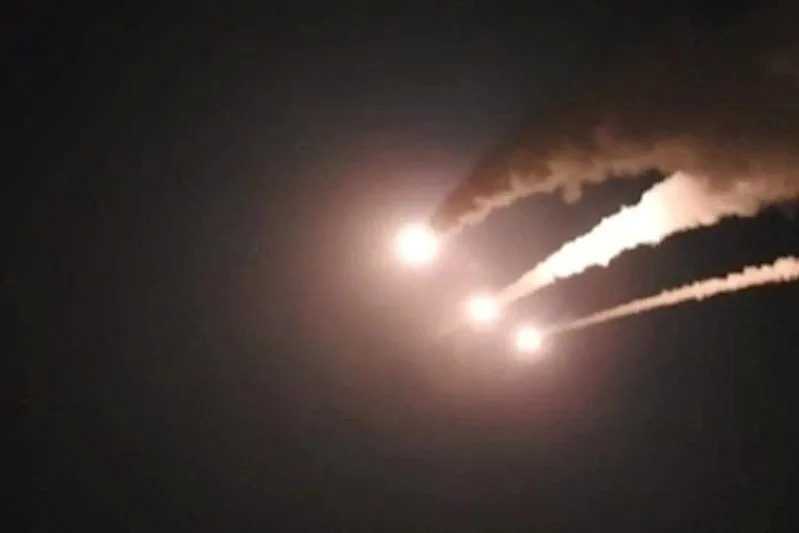
Iran's Islamic Revolutionary Guard Corps fired ballistic missiles at Israel's Ramat David airbase on the evening of June 7 as a retaliatory warning, breaching the ceasefire established in April [1, 2, 3]. That same night, Israel launched an airstrike on Hezbollah positions near Beirut, killing at least two and wounding 20 [1, 2].
In the early hours of June 8, Israel conducted airstrikes targeting military facilities in western and central Iran [1, 2, 3]. In response, Iran and Yemen’s Houthi movement fired further missiles at Israel, including strikes on central regions, and the Houthis announced a maritime blockade of vessels linked to Israel in the Red Sea [1, 2, 3].
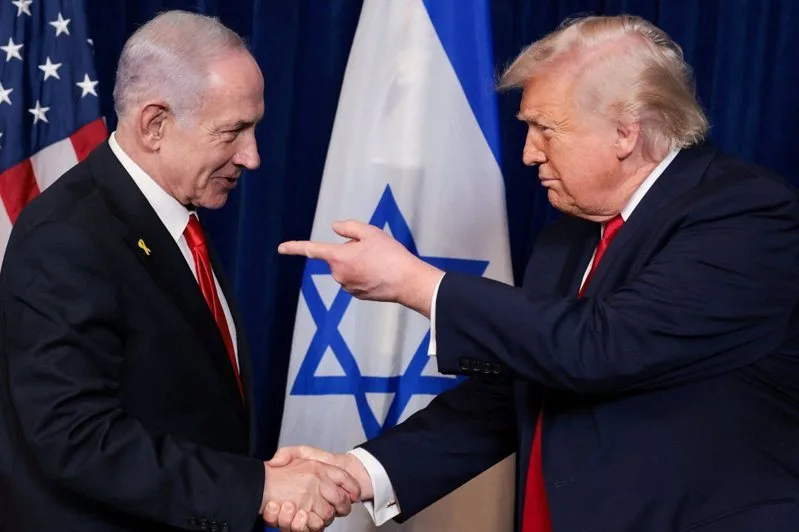
These exchanges raised alert levels across Israel, triggering warnings in cities such as Jerusalem, Beersheba, the Tel Aviv area, and near Ben Gurion Airport [1, 2]. Israeli Prime Minister Benjamin Netanyahu initially approved a large-scale military operation against Iran on June 8 but canceled it following intense pressure from U.S. President Donald Trump [4]. Netanyahu stated, "Iran violated our sovereignty, we must draw a red line" [4].
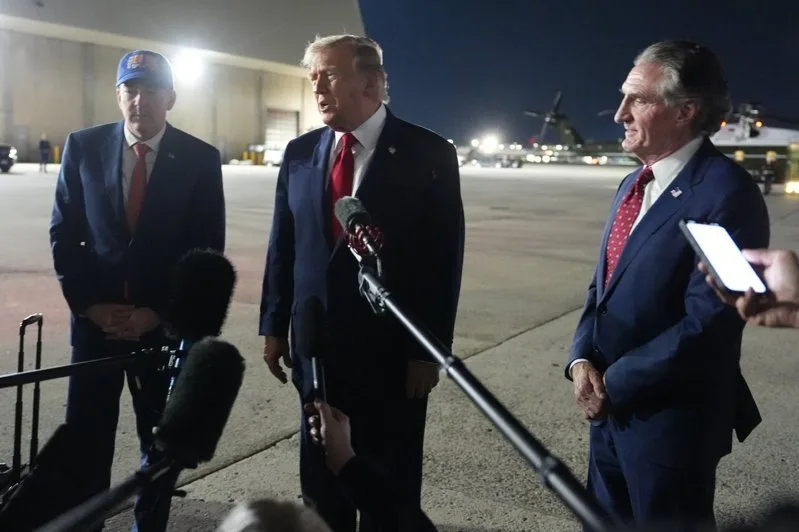
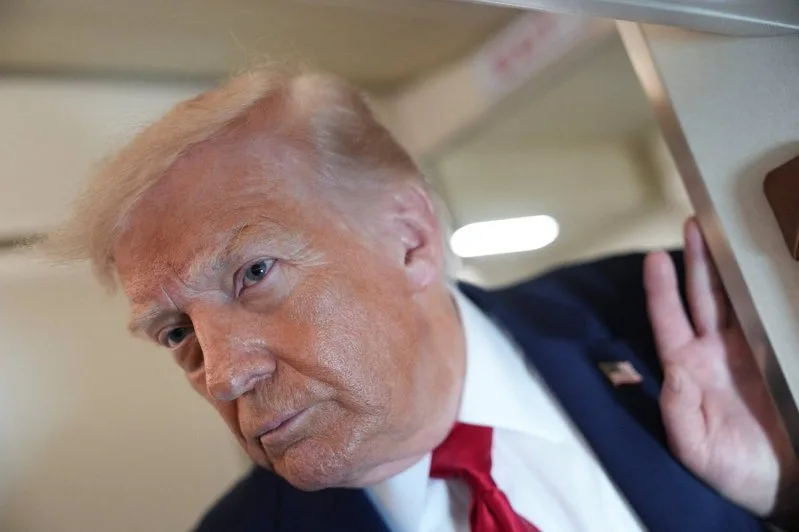
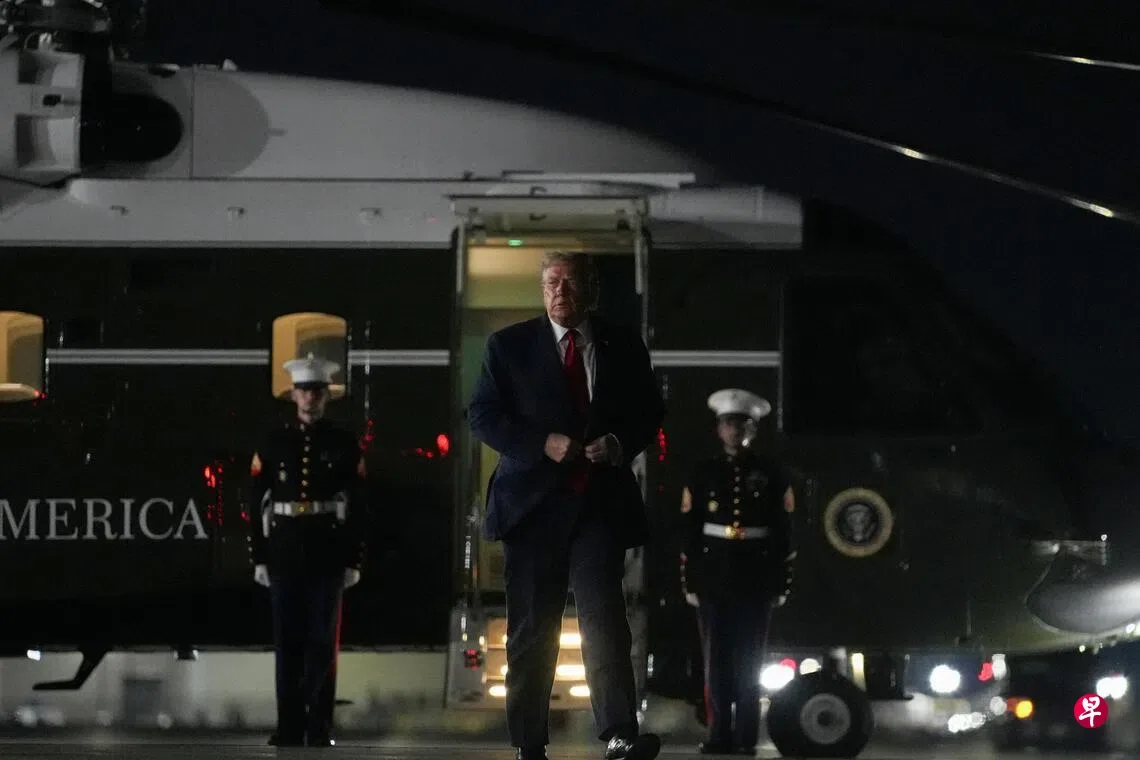
Trump repeatedly called on both sides to halt missile launches. He told Netanyahu, "Bibi, you better be careful or you will soon be fighting alone," warning of Israel's isolation without U.S. support [4]. Trump said, "Israel and Iran have both had enough. Israel attacked, Iran attacked. We don’t need to do this again." He predicted a U.S. declared "complete victory" over Iran within two weeks and forecast a sharp drop in oil prices [5, 6, 4, 7]. Trump also described Iran as ready to negotiate and abandon nuclear weapons [5, 8].
Iran denied that any final deal text was agreed upon and said there was "extreme mutual suspicion" in ongoing U.S.-mediated talks involving Pakistan [9]. It warned that if Israeli attacks on Hezbollah continued, it could reopen new fronts, including in key maritime areas [3, 9].
Following talks mediated by Trump on June 8, Israel and Iran agreed to a temporary mutual non-aggression period lasting at least one week [10]. Trump said, "They decided to stop here, so they will not provoke each other for about a week." Despite the ceasefire, the situation remains tense as both sides continue warnings.
The new truce is set to last through June 15, marking a fragile pause after two days of the most serious military clashes since April [10].