Israel announced that it will hold its next national parliamentary elections on October 27, 2026, the latest date allowed by law [1, 2, 3, 4, 5, 6, 7, 8, 9, 10, 11, 12]. The current Knesset term will end on July 17, 2026, marking the first full four-year term served by a ruling coalition in decades [1, 6, 7, 8, 9, 10, 11].
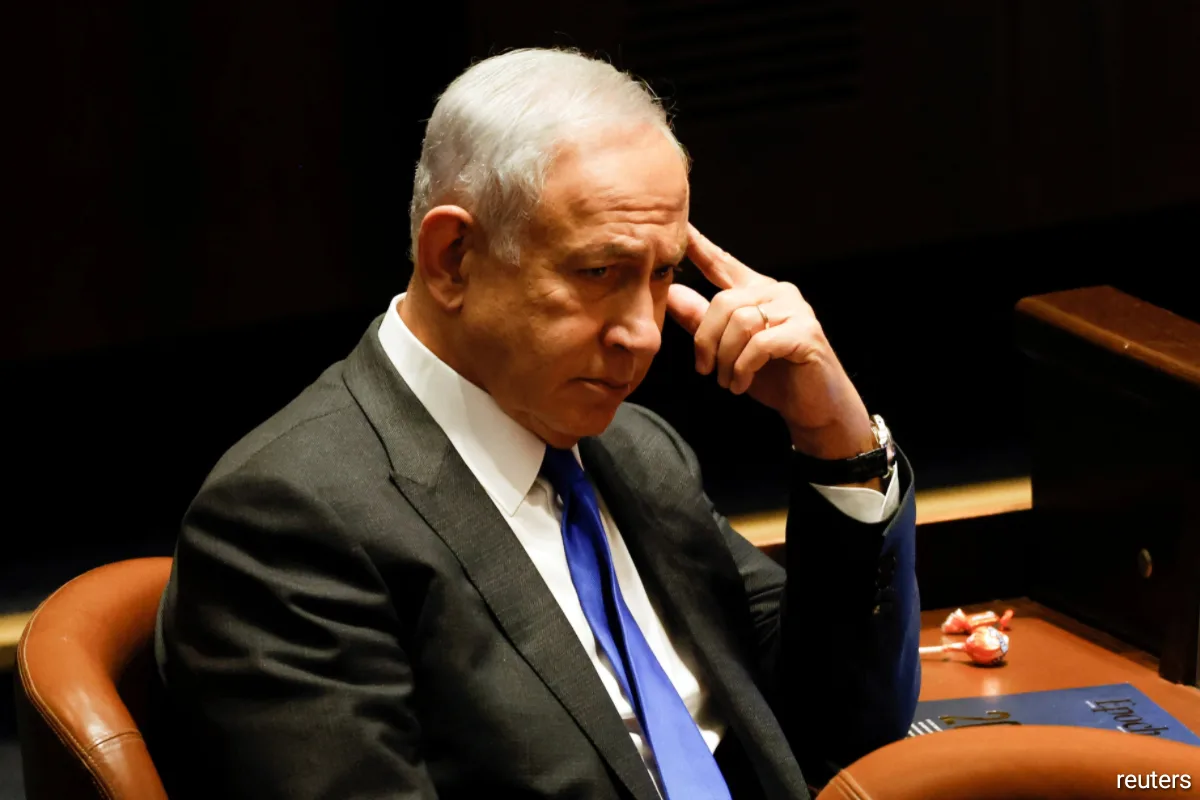
Prime Minister Benjamin Netanyahu, 76, Israel’s longest-serving leader, declared his intention to run again in the October vote [1, 2, 3, 6, 8, 9, 10, 11, 12]. He leads one of the country's most right-wing coalitions and is pushing legislation to strengthen his electoral position before the campaign [1, 8, 10, 11]. Netanyahu said, "I intend to establish a broad national government, not a right-wing, not a left-wing government that depends on Arab parties, but a broad national government" [1]. He also affirmed, "I intend to win the election" [8].
The snap election is widely viewed as a referendum on Netanyahu’s leadership, especially in the wake of the October 7, 2023, Hamas attack that triggered the Gaza war and damaged his approval ratings [1, 6, 8, 9, 10, 11]. Public anger over security failures during the surprise attack has substantially weakened his standing [1, 6, 8, 9, 10, 11]. A ceasefire deal between Israel, the US, and Iran drew criticism among Israelis, further eroding Netanyahu’s support [1, 8, 9, 10].
Recent polls show Netanyahu’s approval plunged from 40.5% in March 2026 to 29.4% in June [8, 9, 10, 11]. Over 92% of Israelis surveyed in a June 2026 poll believe Iran has won the Middle East war [8, 9, 10, 11]. The contentious debate over whether ultra-Orthodox Jewish men should undertake mandatory military service remains a key voter issue [6, 9, 10, 11].
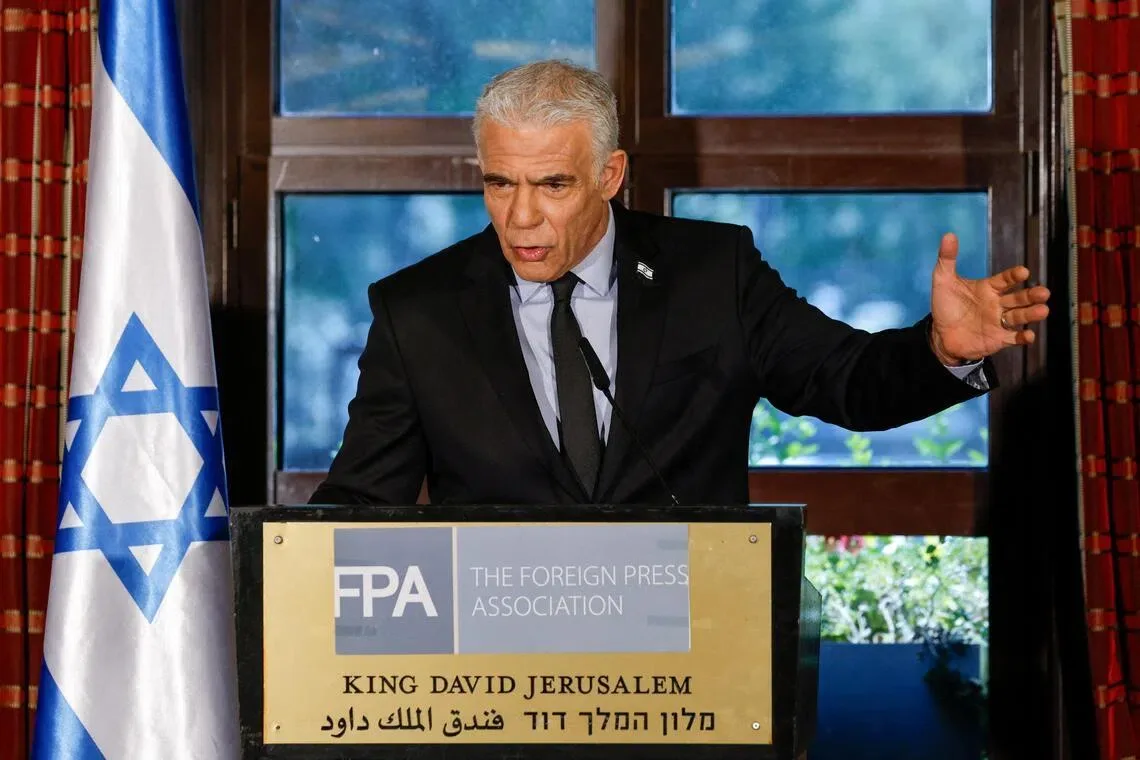
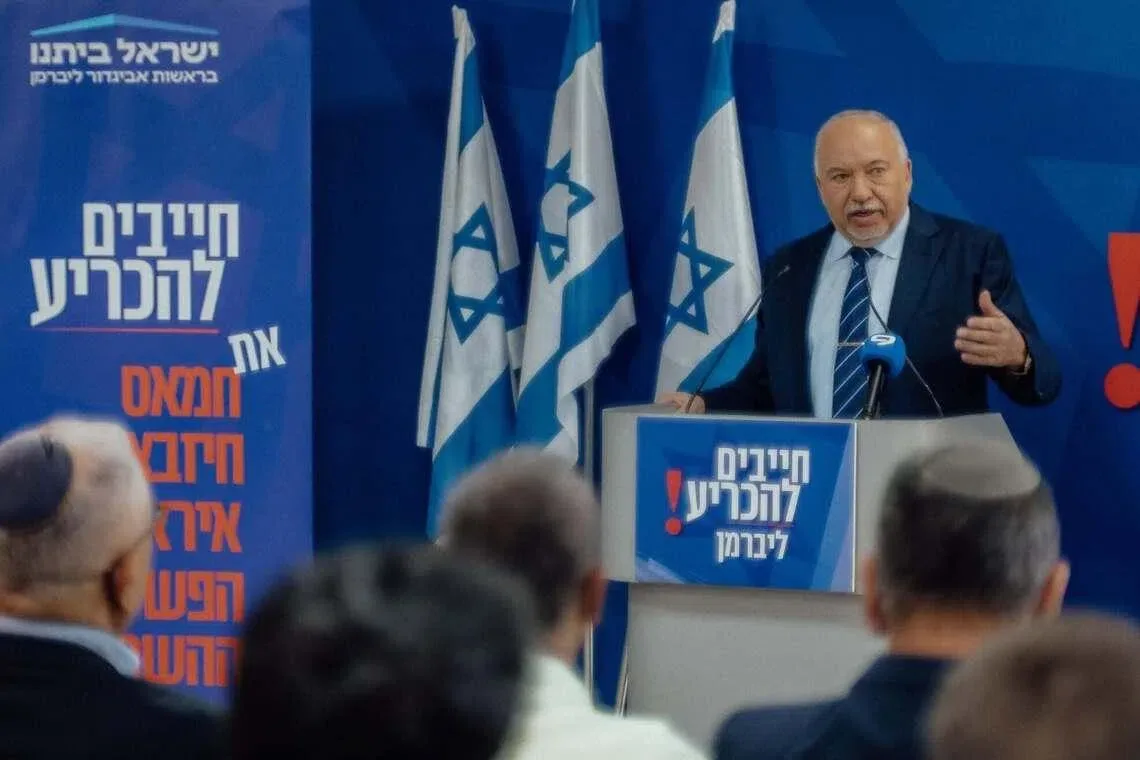
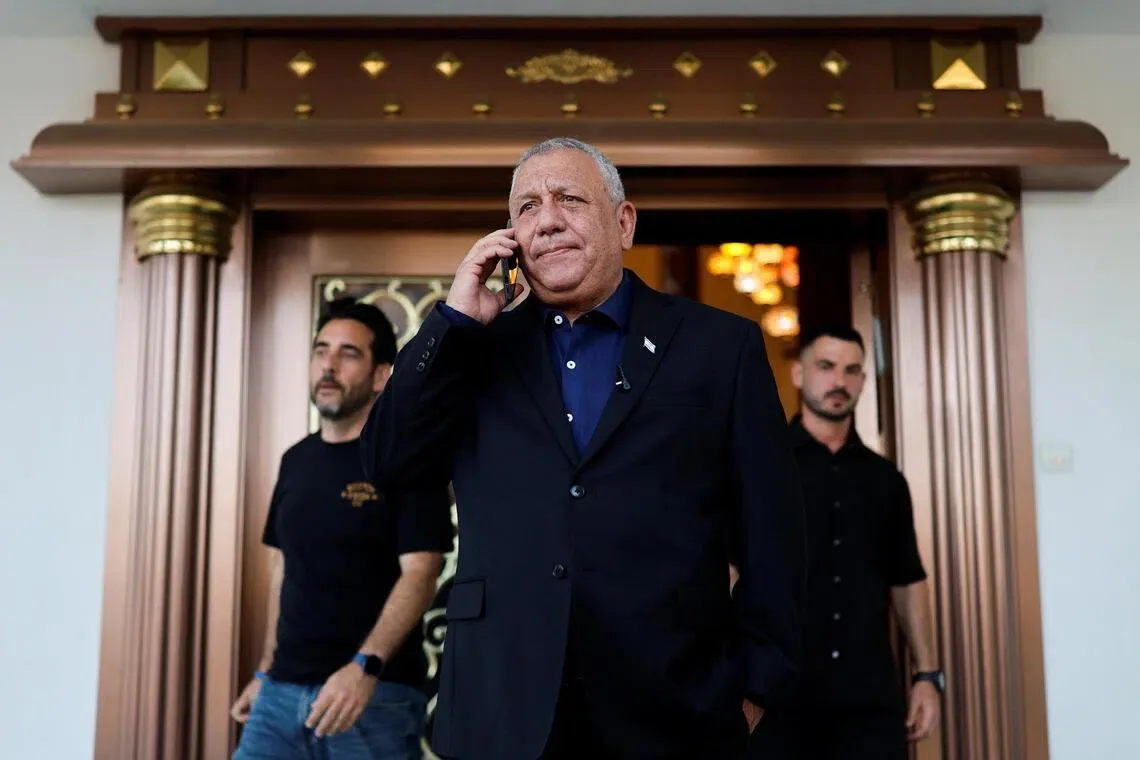
Netanyahu faces significant opposition from former Israeli army chief of staff Gadi Eisenkot, leader of the centrist Yashar party, who resigned from Netanyahu’s war cabinet in June 2024 citing Gaza war failures. Eisenkot also lost family members in the conflict [4, 6, 9]. Other competitors include nationalist right-wing leader Naftali Bennett, seeking a comeback, and centrist opposition head Yair Lapid [4].
The Israeli parliament announced on July 12 that the election will take place on October 27 as mandated, with no plans to dissolve the Knesset early [1, 2, 3, 6, 7, 8, 9, 10, 11, 12]. One parliament statement said, "Since the current Knesset is expected to serve its full term and the next general election is already set by law for October 27, with no intention of shortening the legislature’s tenure, there is no need to enact a Knesset Dissolution Law in the usual sense" [1].
Ahead of the election campaign, Netanyahu’s government is advancing judiciary reforms and legislation related to ultra-Orthodox military service [1, 6, 8, 10, 11]. Netanyahu stated, "After eliminating the existential threat from Iran, this broad national government will achieve internal reconciliation and deal with the remnants of the Iran axis, and reap victories through political agreements like the ones we are achieving with Lebanon" [9].
The election on October 27 will decide if Netanyahu secures another term or if his challengers can reshape Israel’s political future.