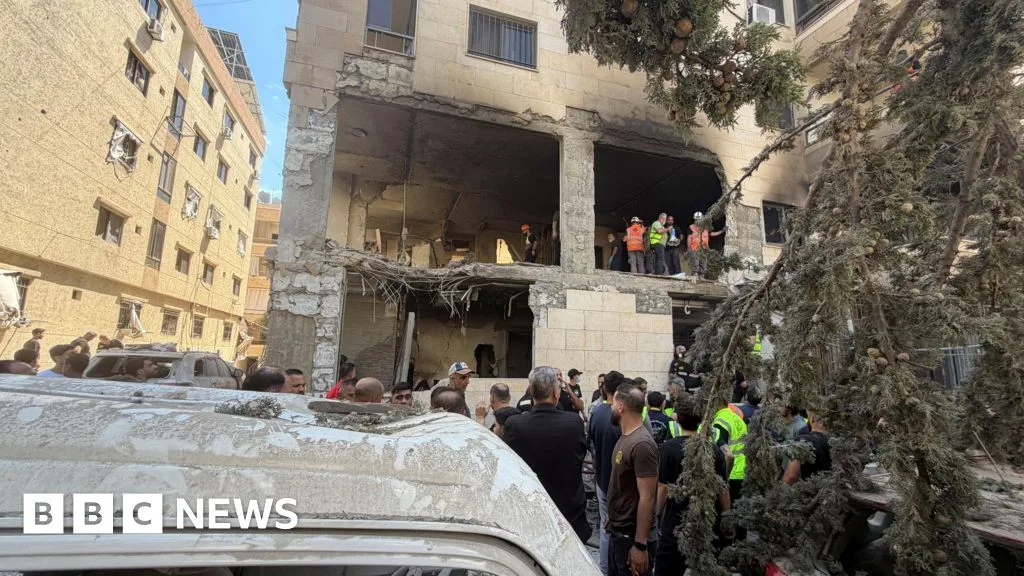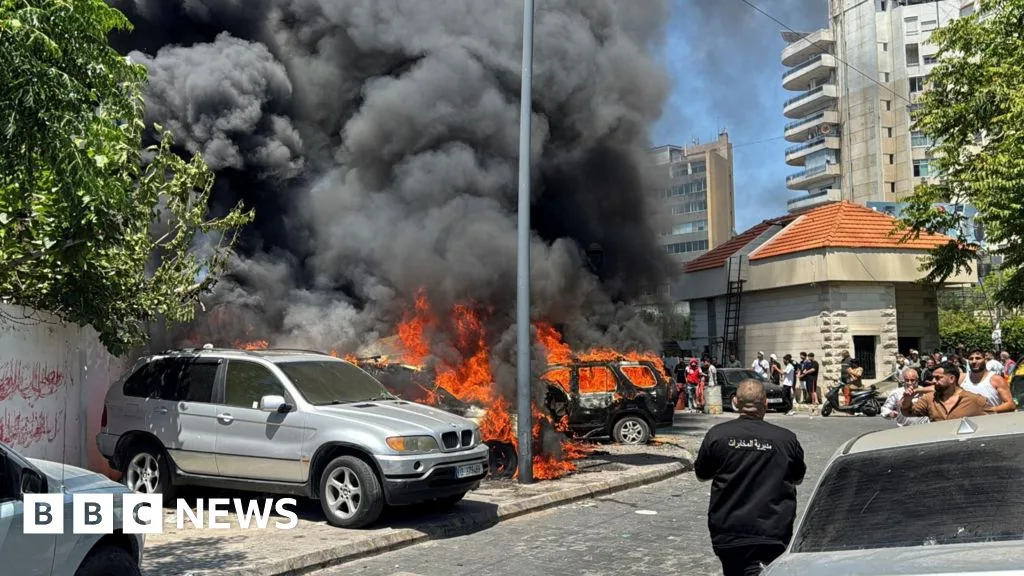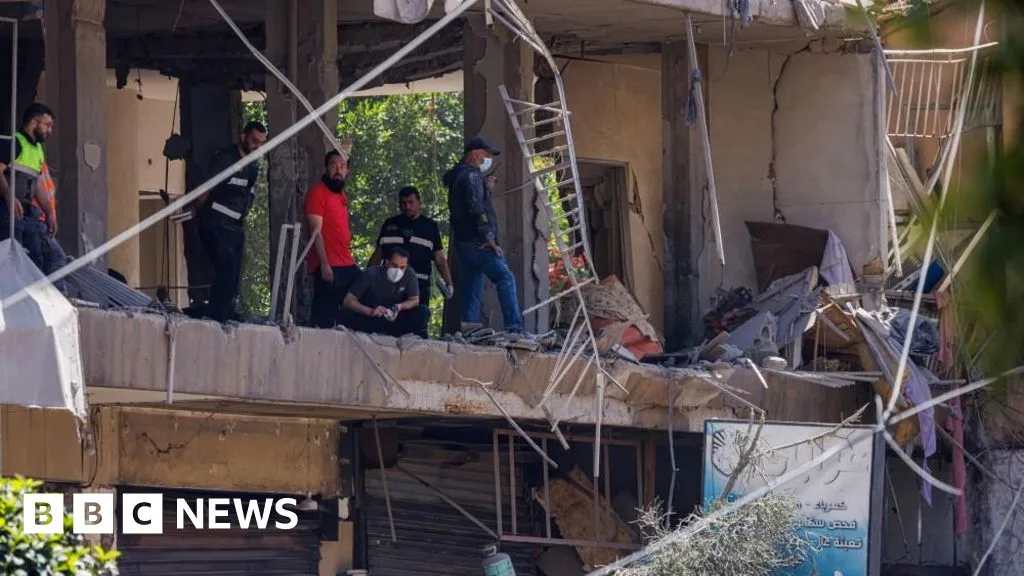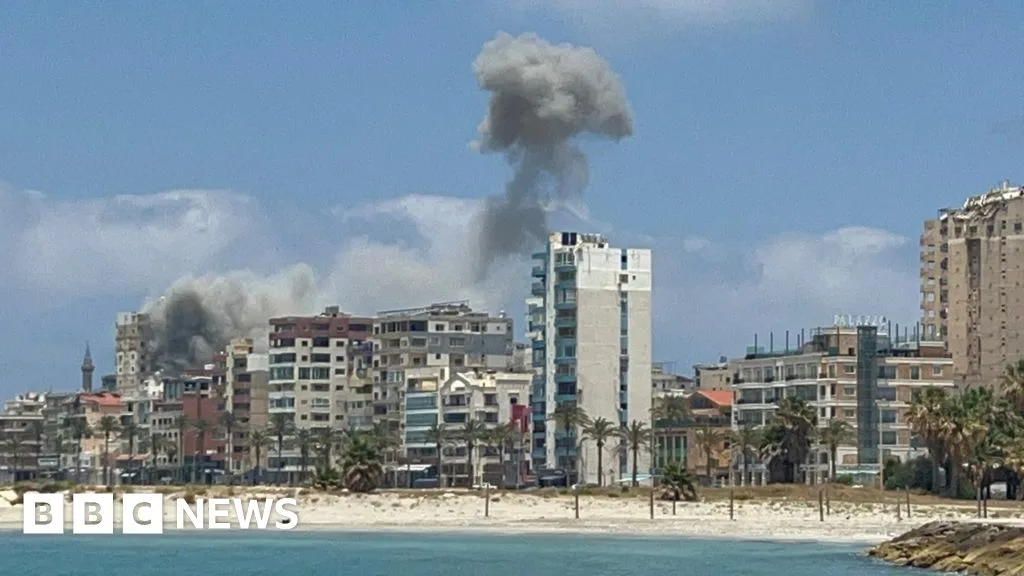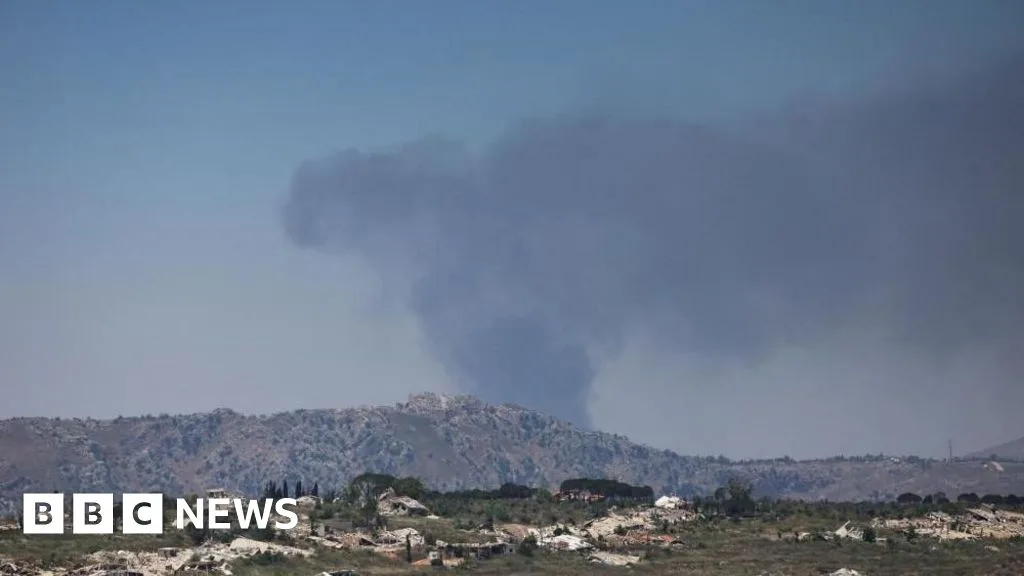
Israel carried out targeted air strikes on Beirut and multiple sites in southern Lebanon, including Tyre and Nabatieh, hitting Hezbollah infrastructure and Iranian-backed militias, according to multiple sources [1, 2, 3, 4, 5, 6]. These strikes killed dozens, with at least 31 deaths and 40 wounded on May 26 alone, mostly civilians in southern Lebanon [3, 6, 7, 8]. The Lebanese health ministry reported more than 3,200 deaths and over 9,700 injuries since fighting reignited in early March [6, 9, 10, 8].
In addition to air strikes, Israel expanded ground operations beyond a self-declared "Yellow Line," operating several kilometers inside Lebanese territory since late May [9, 10, 7, 8]. Hezbollah responded by launching rocket, drone, and artillery attacks against Israeli forces near towns like Zawtar al-Sharqiya and Nabatieh [3, 9, 10, 7, 8].
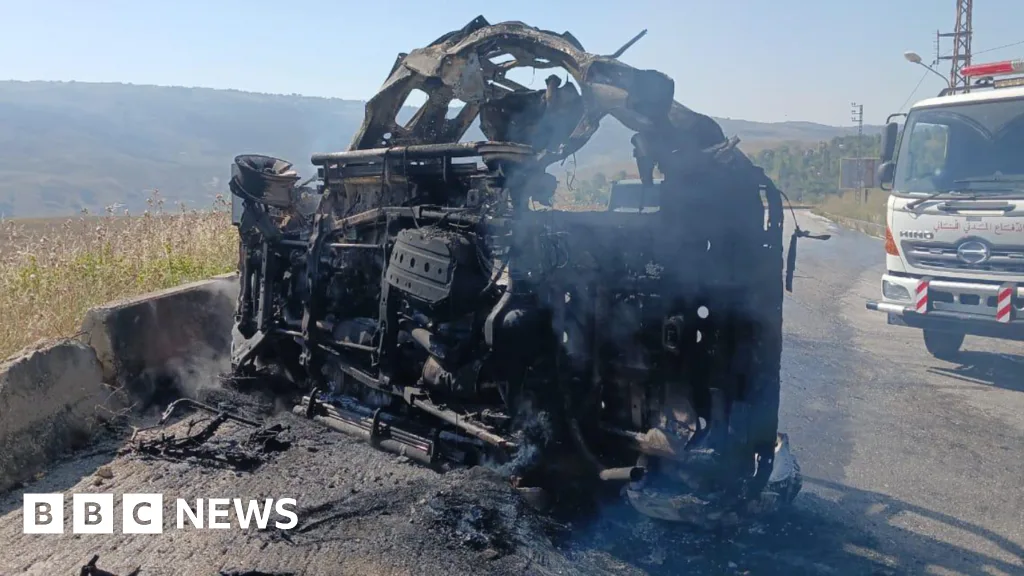
The Israeli military said it targets Hezbollah militants and their infrastructure, not the Lebanese Army. However, Lebanese soldiers were killed in a separate Israeli strike on a vehicle. The Lebanese Army condemned the attack as an "aggressive and barbaric raid," while Israel said it would investigate the incident [11, 3].
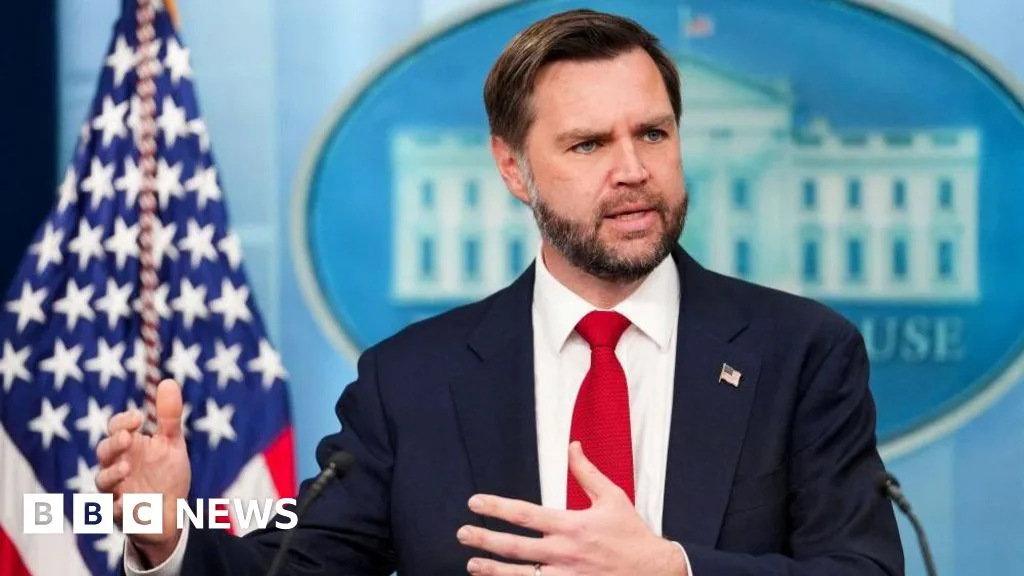
Israeli Prime Minister Benjamin Netanyahu said, "Our forces would remain in Lebanon for as long as necessary" and promised to "intensify strikes against Hezbollah" [5]. Meanwhile, US President Donald Trump criticized the Israeli strikes on Lebanon, urging restraint to avoid harming peace talks with Iran. Trump said, "Israel has the right to defend itself against threats, but... there should be no more attacks by Israel anywhere in Lebanon" and warned the conflict risks derailing a broader US-Iran deal [1, 4, 5, 12]. Iran also warned Israel to stop attacks in Lebanon, tying it to ongoing negotiations with the US. Hezbollah rejected the terms of the potential US-Iran deal [2, 4, 5, 12].
Significant Lebanese civilian infrastructure, including the Qaraoun Dam near the Bekaa Valley, was hit by Israeli strikes, raising concerns about water and energy security in the region [8].
The fighting began on March 2, 2026, with multiple ceasefire attempts failing as escalations continued into late May. On May 19, Israeli air strikes killed at least 11 people in Tyre and surrounding areas, prompting evacuation orders including for Christian quarters [1, 2, 3]. The Lebanese health ministry reported at least 19 deaths, including children, on May 20 from Israeli strikes [6]. On May 25, Netanyahu announced a further intensification of strikes against Hezbollah despite public criticism from the US [5, 9]. On May 26, the expanded Israeli ground operations beyond the "Yellow Line" coincided with deadly strikes killing 31 people and hitting the Qaraoun Dam [9, 10, 7, 8].
The conflict shows no immediate signs of de-escalation as forces remain deeply engaged on both sides.