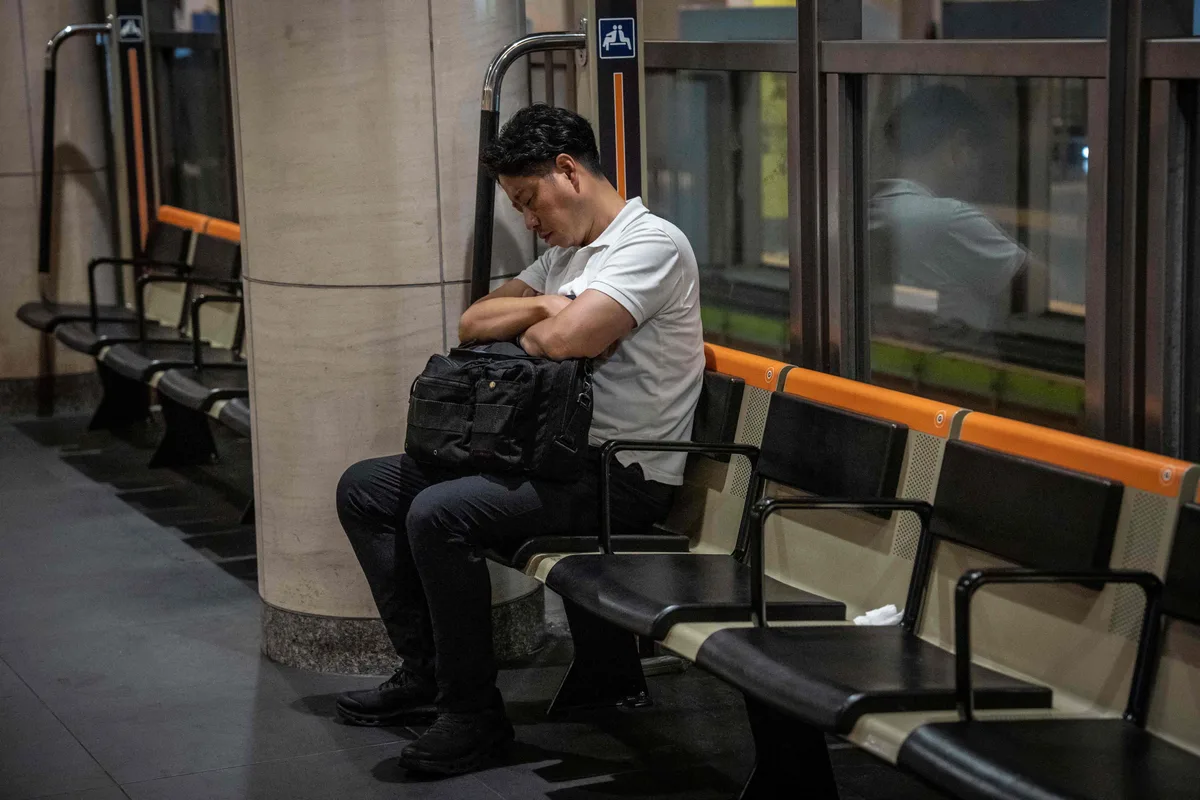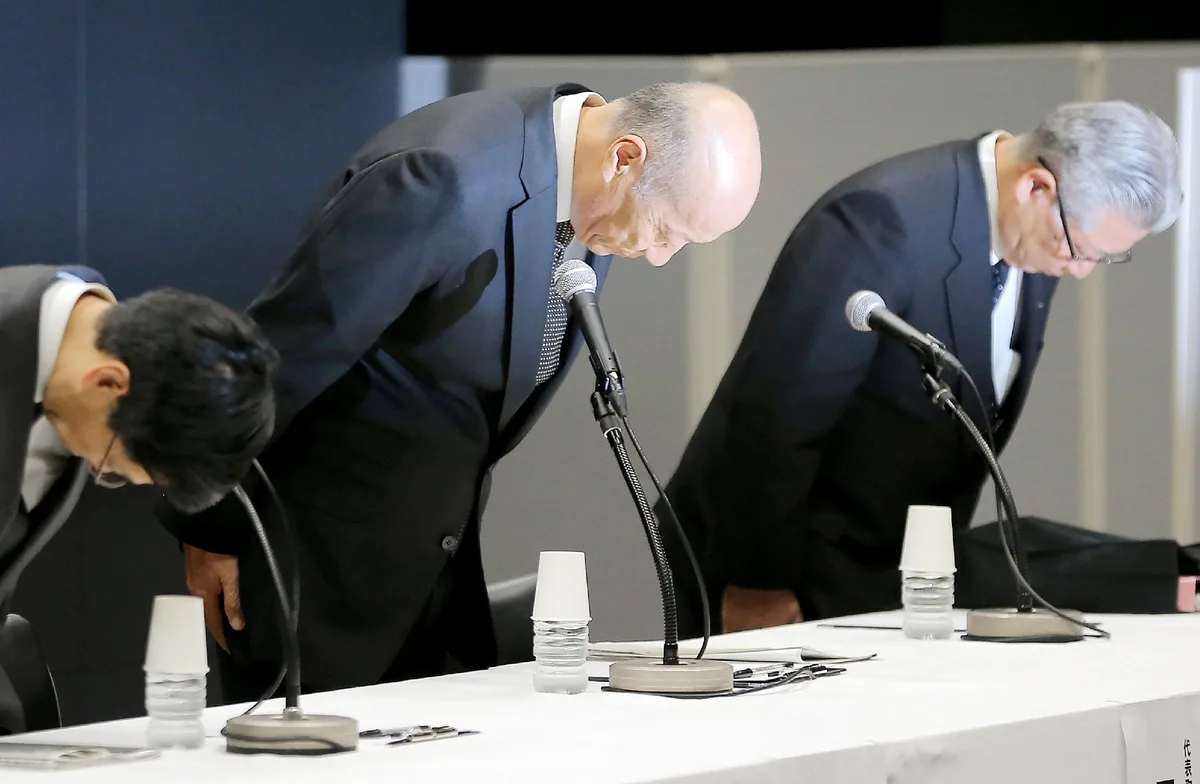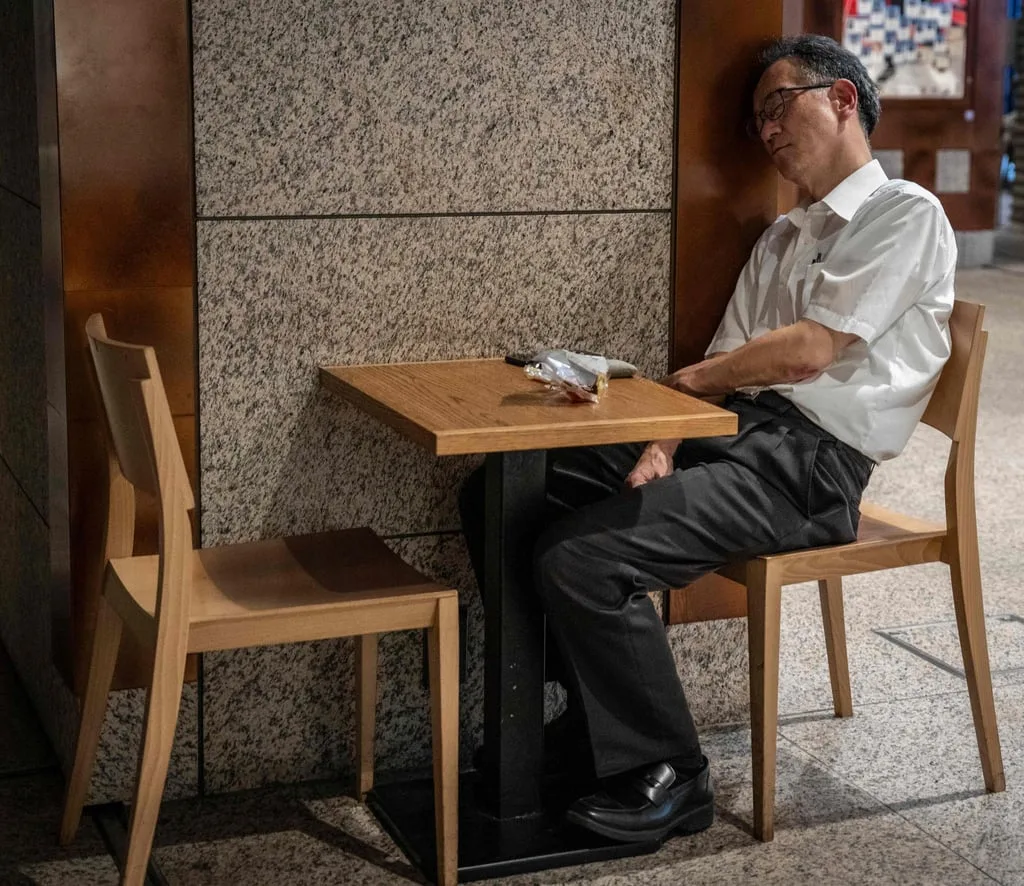
Japan has eased its overtime regulations as of September 1, 2026, removing the prior advisory limit that urged companies to cap monthly overtime at 45 hours [1, 2, 3]. About 40% of Japanese businesses already operate under labor-management agreements allowing up to 100 hours of overtime per month [1, 2, 3].
The change follows a government growth strategy adopted in July 2026 under Prime Minister Sanae Takaichi, who has publicly embraced a workaholic lifestyle, stating she functions on just zero to three hours of sleep daily [1, 3]. The previous cap, intended to reduce deaths from overwork known as "karoshi," will no longer be enforced. However, the labor ministry will continue monitoring companies to protect worker health [1, 3].
A May 2026 survey by the Japan Chamber of Commerce and Industry found that the 45-hour limit restricted roughly 20% of small and mid-sized businesses, especially in sectors facing labor shortages such as construction, transport, and hospitality [1, 3]. The government argued easing the cap would support business operations and economic growth.
The policy shift has drawn sharp criticism from labor groups. The National Confederation of Trade Unions (Zenroren) called the change "an unacceptable shift away from, and abolition of, the policy that urged companies to shorten work hours," warning it risks a return to a grueling work culture and increases the risk of karoshi [1].
Prime Minister Takaichi’s personal commitment to long hours and minimal sleep has factored into the push for revised overtime rules, marking a departure from efforts aimed at work-life balance.
The government’s next step involves closely monitoring companies under the new regulation to safeguard workers’ health while allowing more flexible overtime. Enforcement of the 45-hour advisory has officially ended starting today, September 1, 2026 [1, 2, 3].