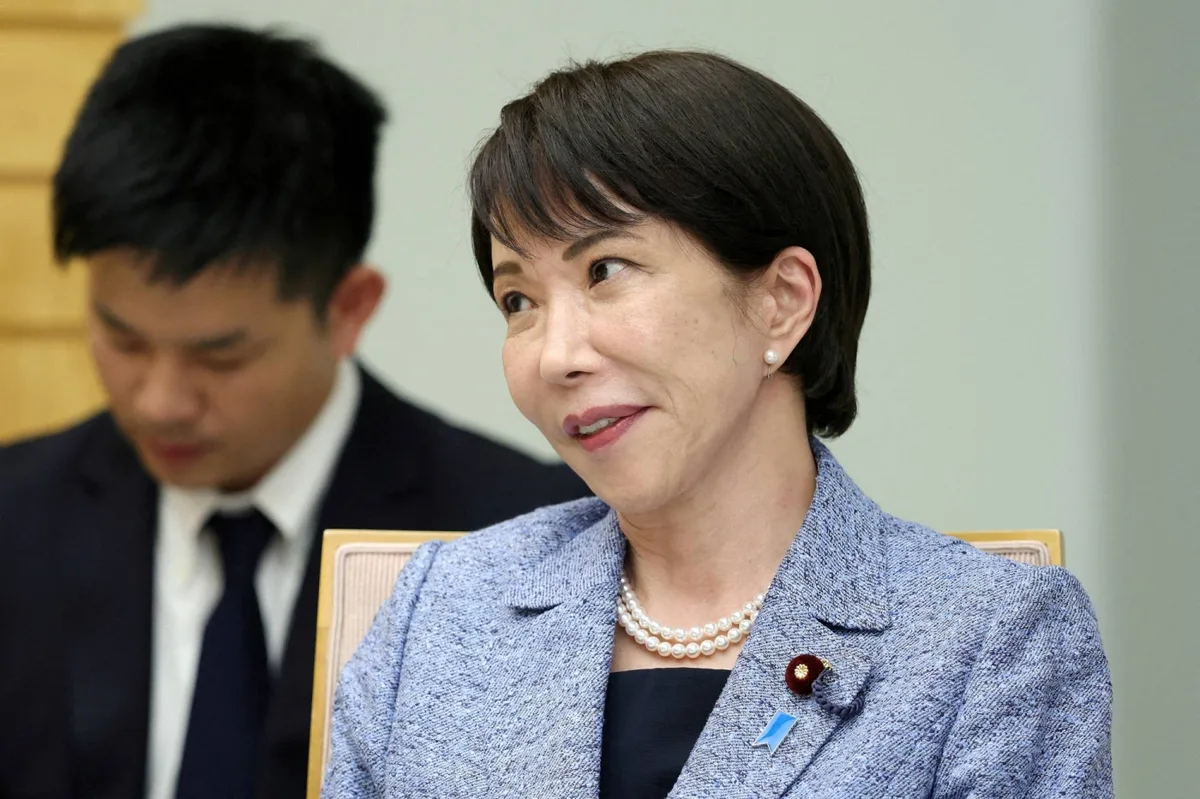
Japan plans to lower the consumption tax on food and non-alcoholic beverages from 8% to 1% beginning April 1, 2027, for two years, pending a decision by Prime Minister Sanae Takaichi this month June 2026 [1, 2, 3, 4, 5, 6]. The government views the 1% rate as more feasible than a full elimination because updating cash register systems would take about six months for 1%, compared to an estimated one year for 0% tax [2, 3, 5, 6]. An anonymous government official said, "If the tax cut can be implemented quickly, even a 1% rate is acceptable" [2, 3].
The government and ruling parties have begun coordination in early June on the tax cut options, aiming for an implementation date in April 2027 [3, 5, 6]. Discussions are ongoing within a suprapartisan national council and through public opinion polling to finalize the plan [2, 3, 5, 6]. Public surveys show 42.5% support a quick cut to 1%, 26.3% favor waiting to reduce the tax to zero, and 29.7% oppose any tax cut [3, 5].
If the 1% proposal is chosen, related legislation is expected to pass at a special Diet session in fall 2026 [3, 4, 5, 6]. However, if the cash register updates can be completed sooner allowing a zero percent rate, the current Diet session may be extended to July 17, 2026, to approve the full elimination of the tax [3, 5, 6]. There is political concern about potential criticism for abandoning an election pledge of zero tax [2, 3, 5, 6].
The government plans to offset cash register upgrade costs with subsidies totaling about ¥600 billion annually, roughly equal to the revenue expected from a 1% tax, to ease public criticism [2, 3, 5, 6]. The national council on social security met in April 2026 to hear industry views on system update timelines needed for the tax changes [3, 5, 6].
Prime Minister Takaichi stressed that the government will not rely on deficit-covering bonds to finance the tax cut, though the overall fiscal impact remains unclear [2]. The tax reduction is partly aimed at easing rising consumer prices amid inflation concerns [2, 6].
The anticipated timetable includes a mid to late June interim report from the national council to guide the final decision [2, 5, 6]. The food consumption tax cut is scheduled to start April 1, 2027, lasting two years if approved [2, 3, 4, 5, 6].