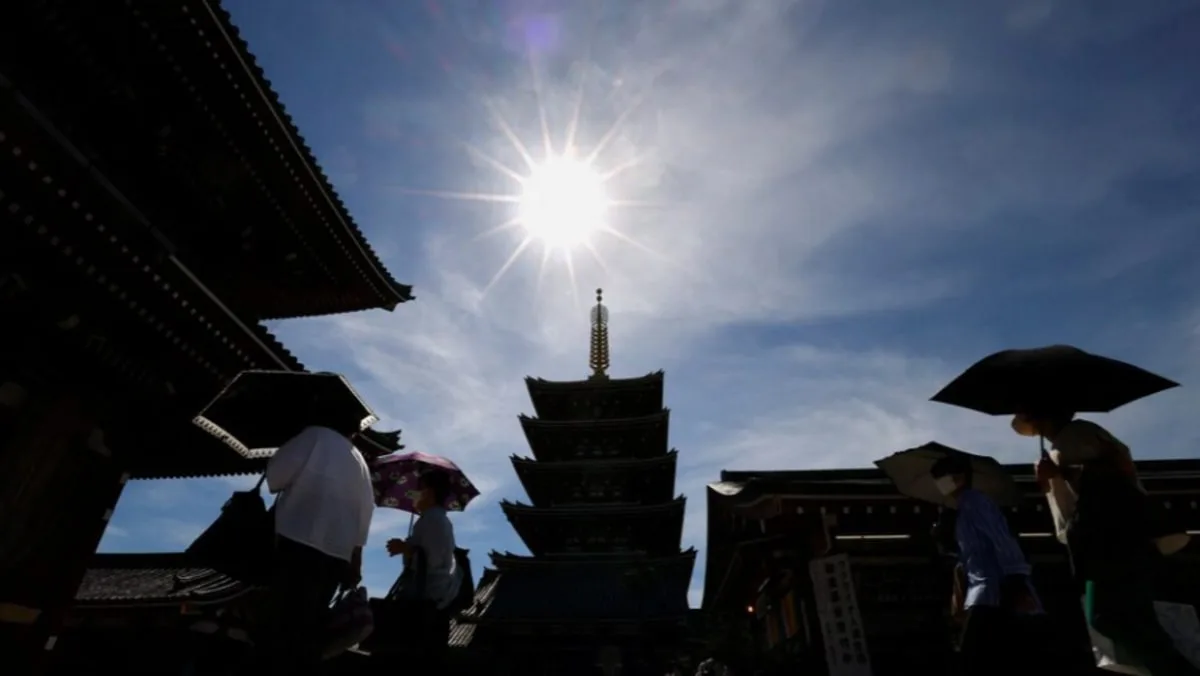
On 2026-07-21, Tajimi and Gujo in Gifu Prefecture and Toyoda in Aichi Prefecture officially recorded temperatures of 40.3°C, 40.0°C, and 40.1°C respectively, marking Japan's first "kokushobi" or "cruelly hot day" since the term was introduced by the Japan Meteorological Agency in April 2026 [1, 2, 3, 4, 5, 6, 7]. The Japan Meteorological Agency defined "kokushobi" as days when temperatures reach or exceed 40°C to alert the public to life-threatening heat [1, 2, 3, 4, 5, 6, 7].
On the same day, 731 out of 914 weather observation points across Japan recorded maximum temperatures of 30°C or higher, with 272 classified as "moshobi" (extremely hot days) excluding the "kokushobi" points [1, 2, 5, 6, 7]. Nearby major cities such as Nagoya reached 39.7°C and Kumagaya 38.6°C, while Kyoto and Tokyo also experienced high but sub-40°C temperatures [1, 2, 3, 4, 8, 5, 6, 7]. The extreme heat was driven by a strong high-pressure system covering much of Japan since July 19, which warmed both surface and upper atmospheric air [1, 2, 5, 6, 7].
The Tokyo Fire Department reported 128 suspected heatstroke patients admitted to hospitals in Tokyo on July 21, ranging in age from 3 to 103 years old, with five cases severe [9, 3, 4, 7]. At least four suspected heatstroke deaths occurred nationwide around this date, including elderly individuals in Hyogo, Kitakyushu, Aichi, and Niigata prefectures [3, 4, 7]. The police in Kitakyushu noted an elderly woman died in a room without air conditioning or a fan, with heatstroke judged as the likely cause [3]. A 44-year-old man in Niigata collapsed outdoors on July 20 and died due to suspected heatstroke [10].
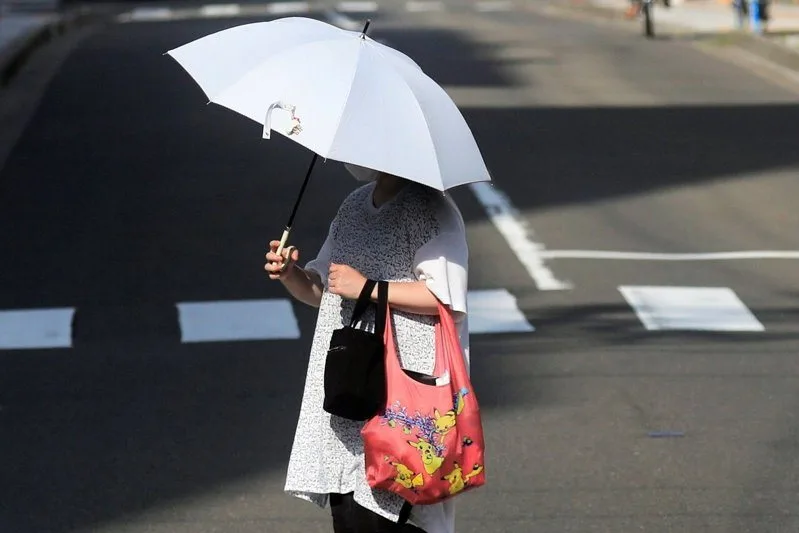
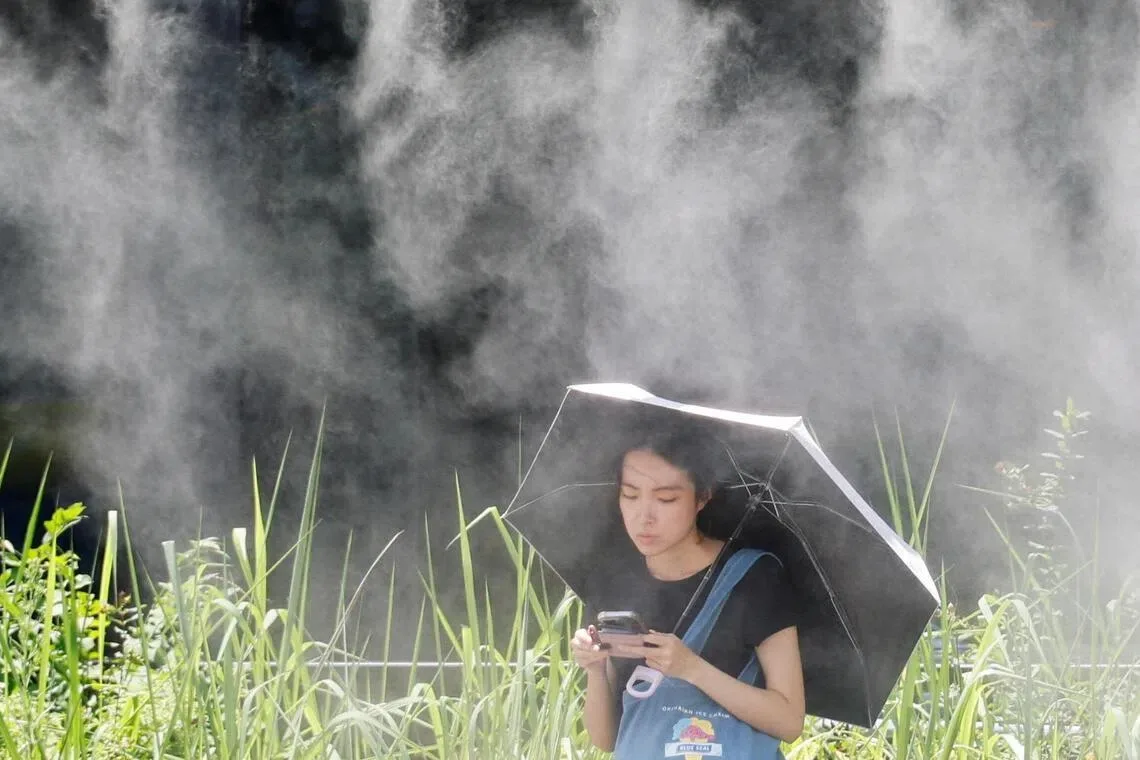
Heat warnings and advisories urged the public to stay hydrated and avoid outdoor exposure amid widespread heat extremes across eastern and central Japan [1, 2, 9, 3, 4, 8, 5, 6, 7]. Mie Prefecture recorded 40.4°C on July 23, marking three consecutive days over 40°C in some areas [11]. Heatstroke hospitalizations nationwide exceeded 10,000 in the week starting July 13, with 14 deaths and 321 severe cases reported [11].
Japanese companies introduced "human refrigerator" cooling devices from April 2026 to help workers cope with the heat. One manufacturer said the device "blows 5°C cold air to the head and neck to rapidly cool the body, helping reduce heatstroke risk," and more than 130 companies have purchased it since then [6].
Meteorological forecasts as of July 21 projected extreme heat continuing into late July across many regions. Some rainfall is expected between July 25 and 27, offering temporary relief before heat is predicted to resume near the end of the month [3, 4, 8, 11, 7].