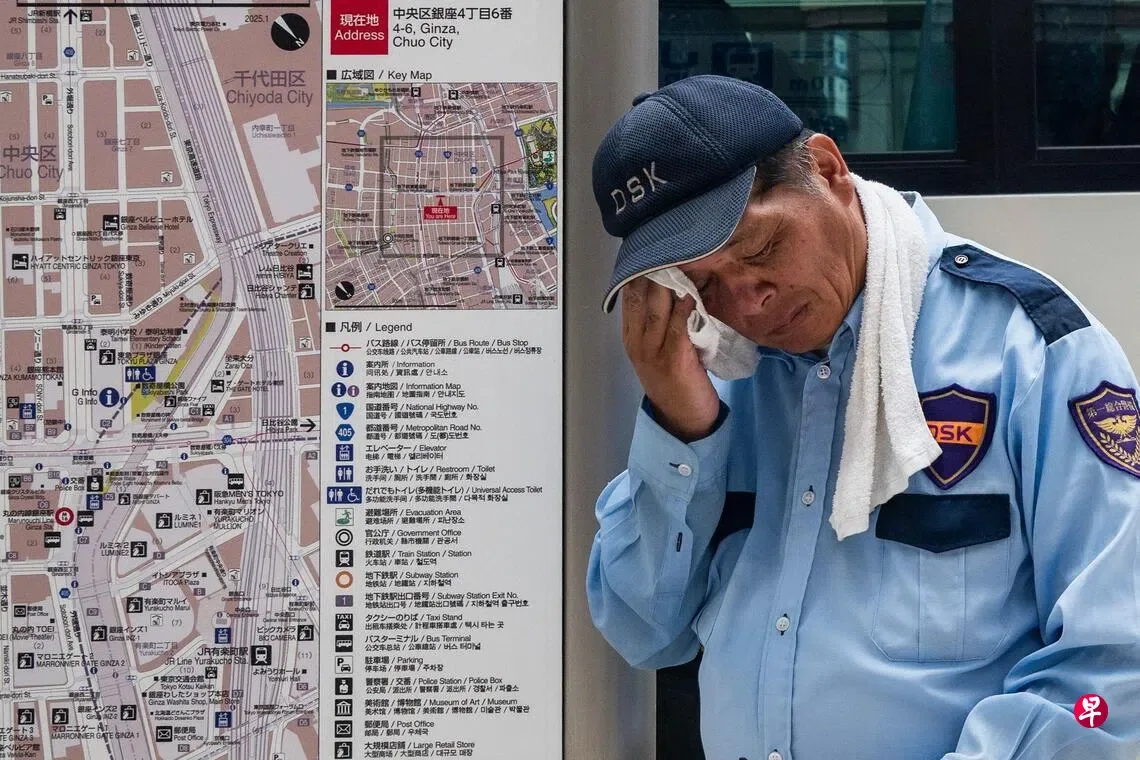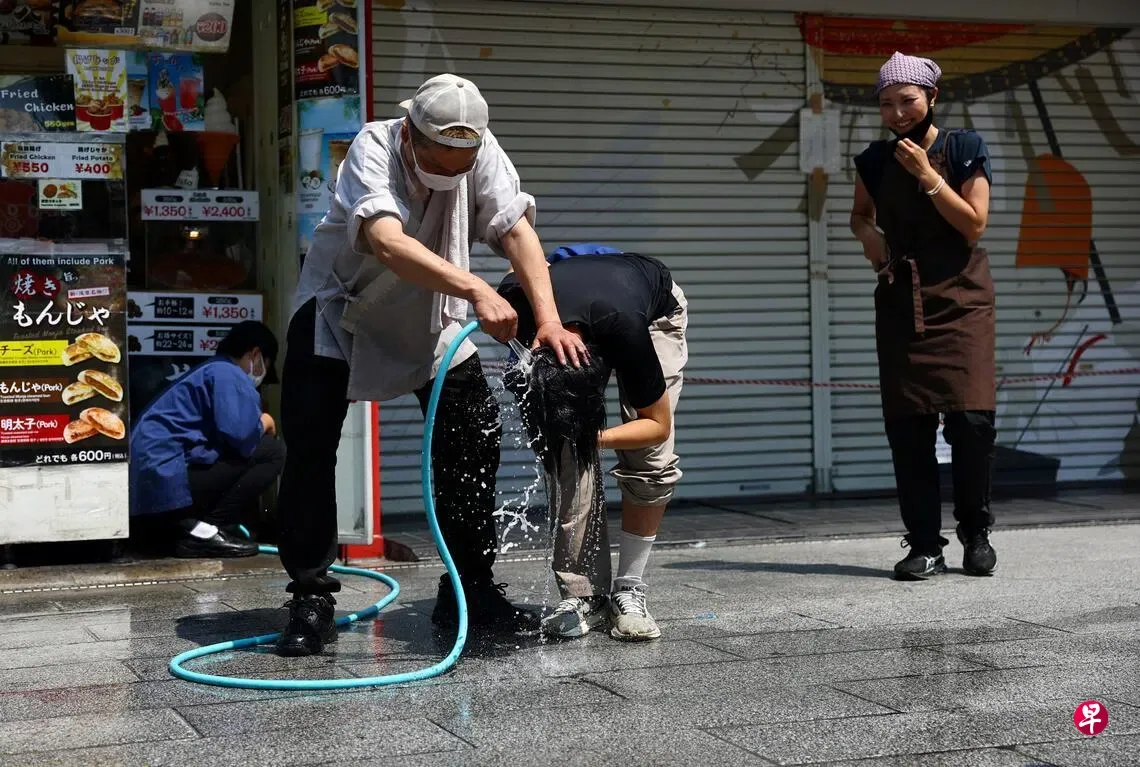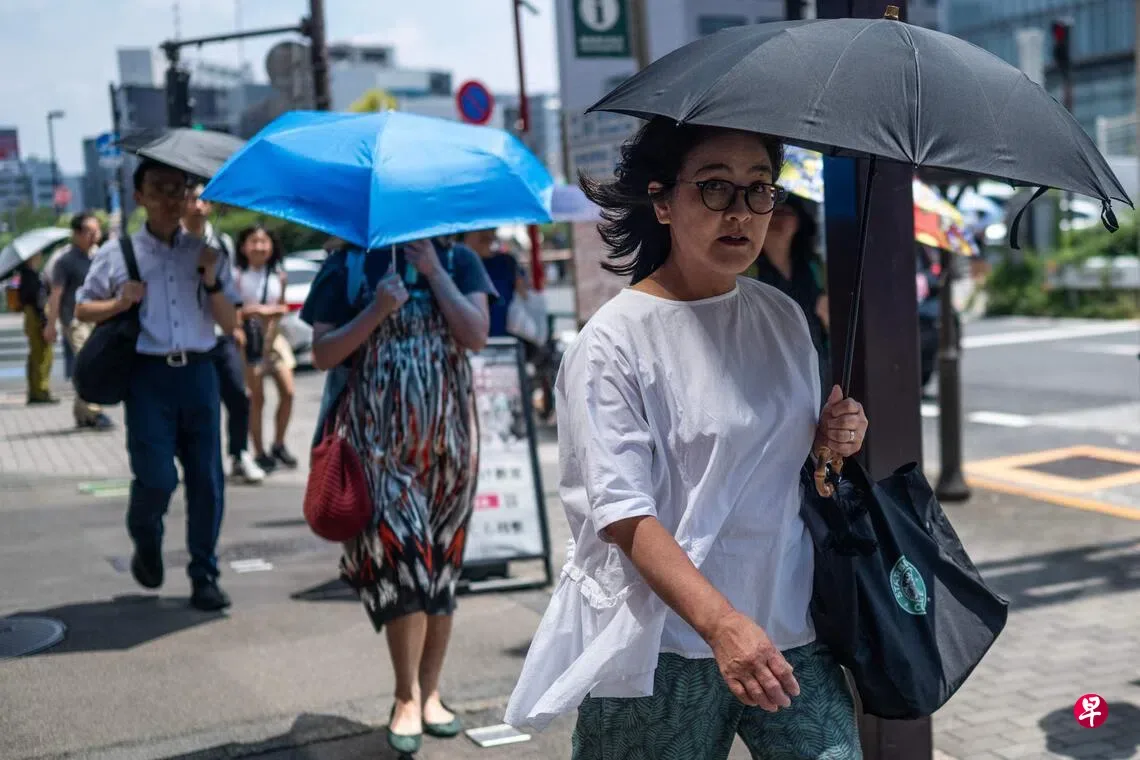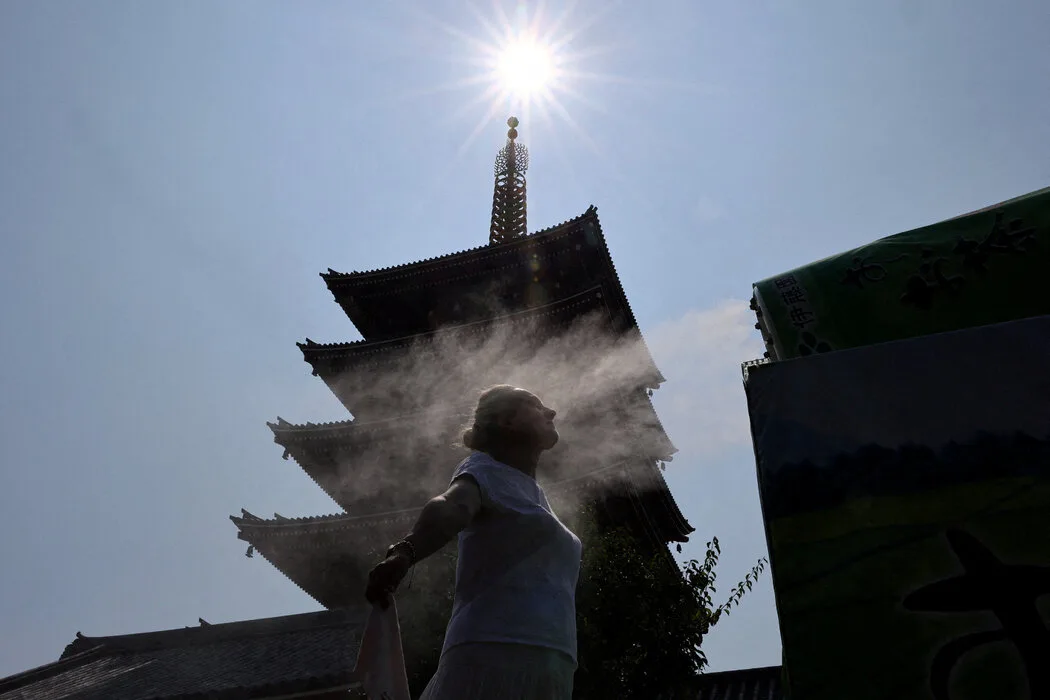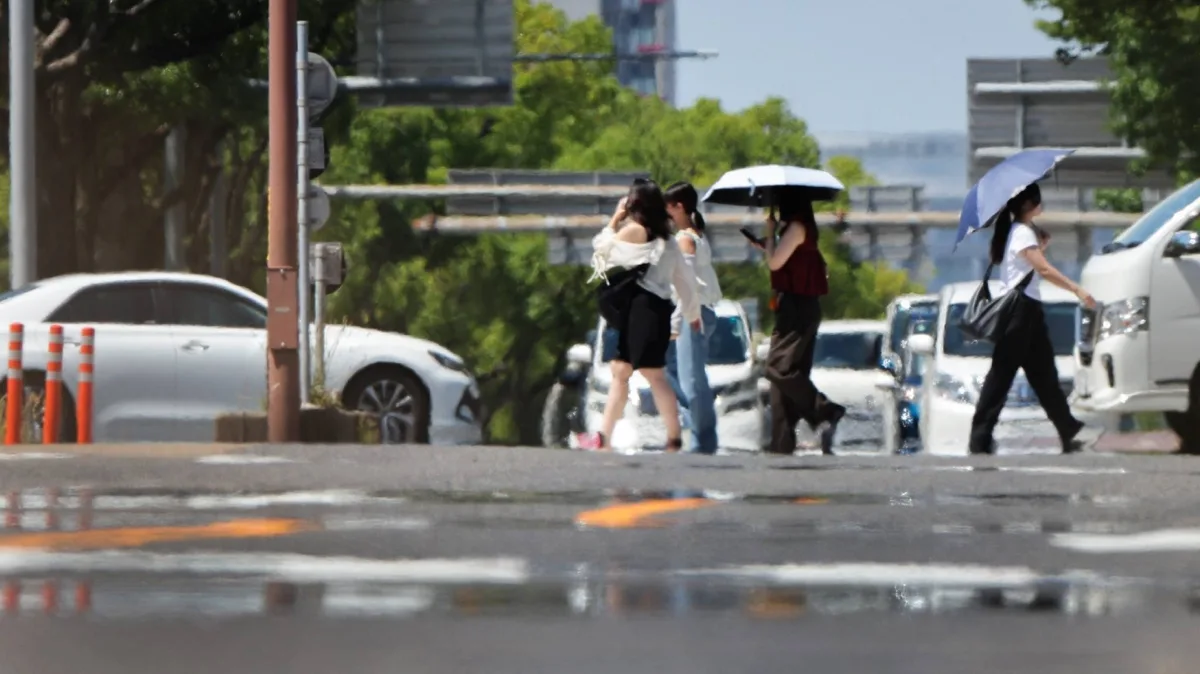
Tokyo saw a record 453 heat-related hospitalisations on July 22, the highest single-day count since records began in 2010, with one person dying and four others in critical condition that day [1, 2, 3, 4, 5]. The severe heatwave swept much of Japan with a heat dome pattern trapping hot air and preventing cooling flows [6, 5].
On July 22, 116 patients were admitted for heat-related conditions in Aichi Prefecture. Four locations in Mie, Gifu, and Shizuoka Prefectures reported temperatures exceeding 40°C, including Hamamatsu which reached 41.1°C, one of the highest points recorded during the heatwave [1, 2, 3, 4, 7].
Between July 13 and 19, nearly 11,000 people nationwide sought emergency medical care for heat illnesses, and 14 died upon arrival at hospitals. The Fire and Disaster Management Agency warned that the rising temperatures since mid-July constitute an extreme heat 'disaster' putting many lives at risk [1, 4, 8, 5, 9, 10]. A Tokyo Fire Department spokesman urged people to stay hydrated and use air conditioning as hospital admissions surged with rising temperatures [1].
By July 23, 39 out of 47 prefectures issued heatstroke warnings, covering most of Japan including major metropolitan areas. The Japanese Meteorological Agency introduced the term "kokushobi" (cruelly hot day) in 2026 to clearly mark days when temperatures reach 40°C or above, helping the public better understand the risks. The agency's assistant director Kawasato Taro said the new term helps people recognize the danger of such days more directly [11, 5, 7].
Japan experienced its fifth consecutive "kokushobi" day on July 25, marking the longest streak of such extreme heat since 2010 [8, 12, 5]. Authorities link the increasing frequency and severity of heatwaves to human-induced climate change [1, 2, 3, 8, 12].
Tokyo, with its population of around 14 million, has been significantly affected, and some popular tourist destinations like Osaka Castle and Kyoto saw visitor numbers drop on high-temperature days due to heat warnings [1, 2, 3, 4, 11].
Japan aims to reduce its annual roughly 1,300 heat-related deaths by half by 2030 as it faces growing threats from extreme heat [8, 12, 5]. Last year, Japan recorded its highest temperature on record at 41.8°C in Isesaki on August 5, marking the hottest summer ever documented in the country [11, 8, 12].
The heatwave in Japan coincided with intense heat and wildfires in Europe, triggering evacuations in France and wildfires in Spain, Italy, Greece, and Cyprus [4].
Officials continue to monitor conditions closely as the country endures sustained high temperatures and widespread heat warnings.