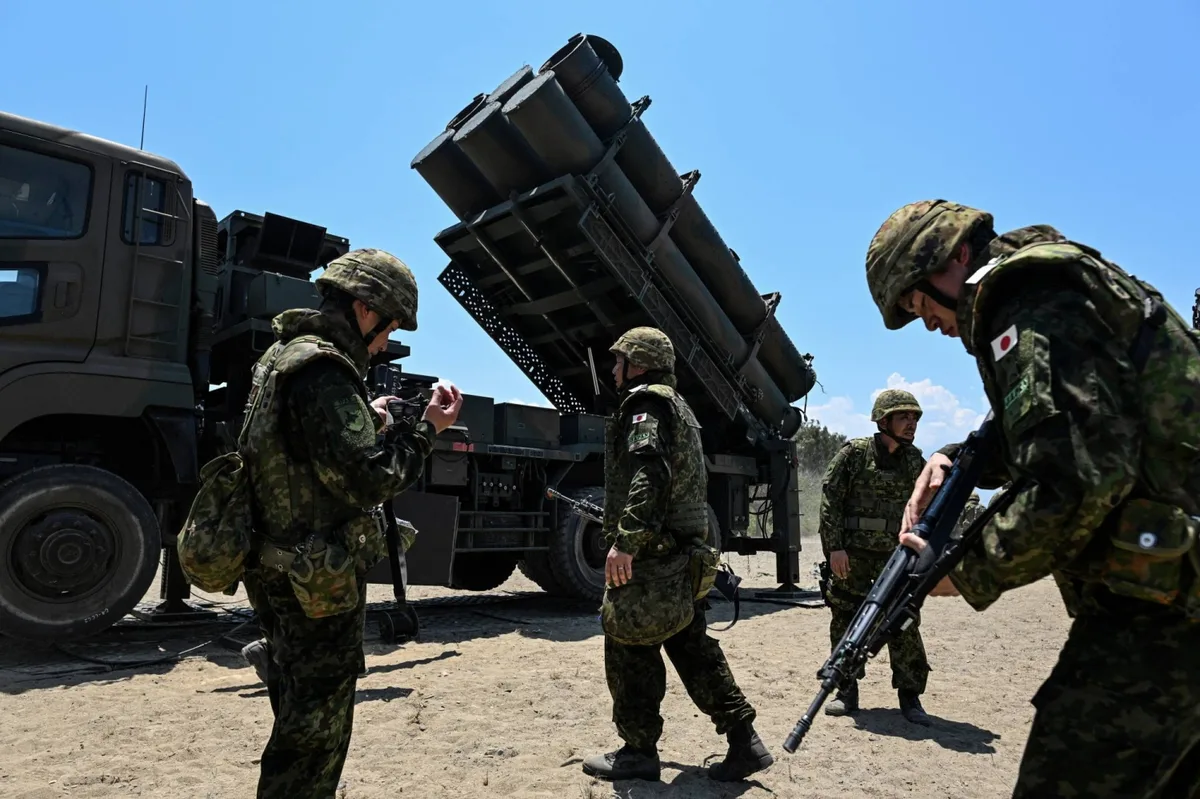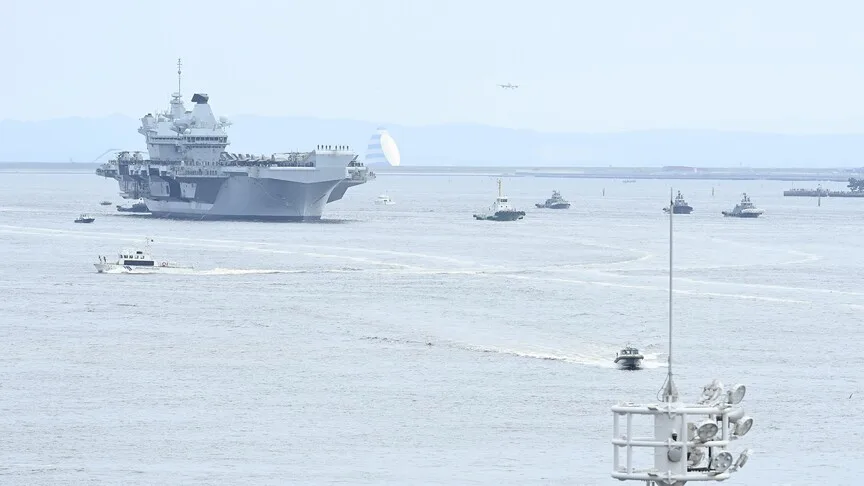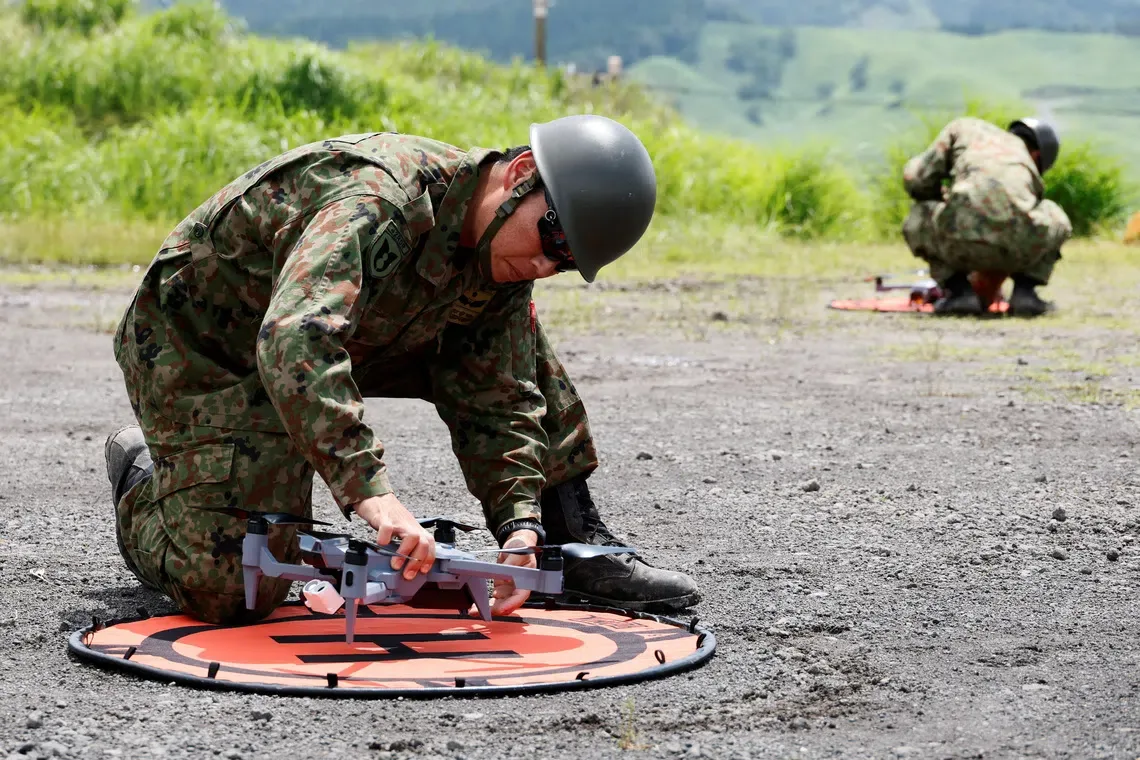
Japan's Defense Ministry released its 600-page 2026 defense white paper on August 4, describing strategic threats from China, North Korea, and Russia as reasons to strengthen Japan's defense industry and capabilities [1, 2, 3, 4, 5].
The report calls for a transformation of Japan's defense capabilities within five years. It includes courting startups, easing export restrictions, and investing trillions of yen to build a globally competitive defense sector [1, 2, 3]. Defense Minister Shinjiro Koizumi said, "Defence production and technological bases are a virtually integral part of defence capability itself, and their reinforcement is indispensable" [1]. He added easing export bans helps "ensure the domestic production capacity necessary for sustained operational capability" [2].
Japan currently spends about 2% of its GDP on defense but has not set a new explicit target in the 2026 white paper or the recently approved honebuto economic blueprint [1, 2, 3]. The Cabinet under Prime Minister Sanae Takaichi approved the honebuto policy in mid-July, calling for defense transformation and referencing allied targets such as NATO's 3.5% GDP by 2035, South Korea's 3.5% spending as soon as possible, and Australia's 3% by 2033 [1, 2, 3].
China is named Japan’s top security challenge in the report. The white paper highlights increased Chinese military activities, including aircraft carrier operations, frequent close approaches by Chinese fighter jets, and radar lock-on incidents. It describes China’s military posture near Taiwan and escalating external military activities as an unprecedented strategic challenge [4, 5]. North Korea is labeled an imminent threat given advances in missile, naval, and unmanned technologies, plus closer military cooperation with Russia [5].
To counter these threats, Japan emphasizes maintaining advanced technologies such as AI and drones and sustaining a stable domestic production base to remain competitive in next-generation defense capabilities [5]. The white paper warns that continued withdrawal or downsizing of Japanese defense businesses would harm stable equipment supply, innovation, competition, and technological edge [5].
The report also highlights international cooperation with the US and like-minded partners to strengthen deterrence. It mentions Australia’s Mogami-class frigate program and the Global Combat Air Program with Britain and Italy as examples of growing collaboration [5].
China’s Defense Ministry responded on August 5 by accusing Japan of "hyping up the so-called \"China threat\" rhetoric, which merely serves as an excuse for Japan to ease restrictions on its own military buildup," reflecting tensions over the white paper’s assessments [5].
Japan plans to continue reinforcing its defense industry and technological base over the next five years while strengthening alliances with the US and other partners to address growing regional security challenges [1, 2, 3].