Japan's parliament passed a revision to the Imperial House Law on July 17, 2026, marking the first major change since 1947 [1, 2, 3, 4, 5, 6]. The revision permits male descendants aged 15 or older from 11 former imperial branch families, who lost royal status after World War II, to be adopted into the imperial family [1, 2, 7, 3, 8, 9, 10, 5, 6]. Adopted males themselves cannot ascend the throne, but their male-line descendants are eligible to become emperor [7, 8, 10, 6].
The law also allows female members of the imperial family to keep their royal status after marrying commoners, reversing the previous rule that they lost it upon marriage [1, 2, 11, 7, 3, 8, 9, 10, 5, 6]. However, it keeps the longstanding ban on female emperors and allows only males born through the male lineage to ascend the throne [1, 2, 7, 3, 8, 4, 9, 10, 5, 6].
Currently, the imperial family comprises 16 members, including five men and 11 women [7, 8, 9]. The order of succession includes Crown Prince Fumihito, age 60; his son Prince Hisahito, 19; and the emperor's 90-year-old uncle Prince Hitachi [1, 7, 3, 8, 9, 10, 5]. Experts have warned that male-line succession risks extinction if Prince Hisahito does not produce a son [1, 3, 9, 10].
Public opinion surveys conducted in May and June 2026 show strong support for allowing a female emperor, with 70% to 83% in favor [1, 2, 4, 6]. Despite this, Prime Minister Sanae Takaichi and conservative lawmakers backed retaining male-only succession. Takaichi described the shrinking number of imperial members as an "urgent issue" and stressed respecting legislative decisions [1, 2, 3, 10, 5, 6, 4]. Veteran LDP lawmaker Seiichiro Murakami called it "utterly outrageous to rule out Aiko becoming emperor" [3]. Conservative voices like Hideya Kawan framed the law as a defense of the male lineage "at all costs" [5].
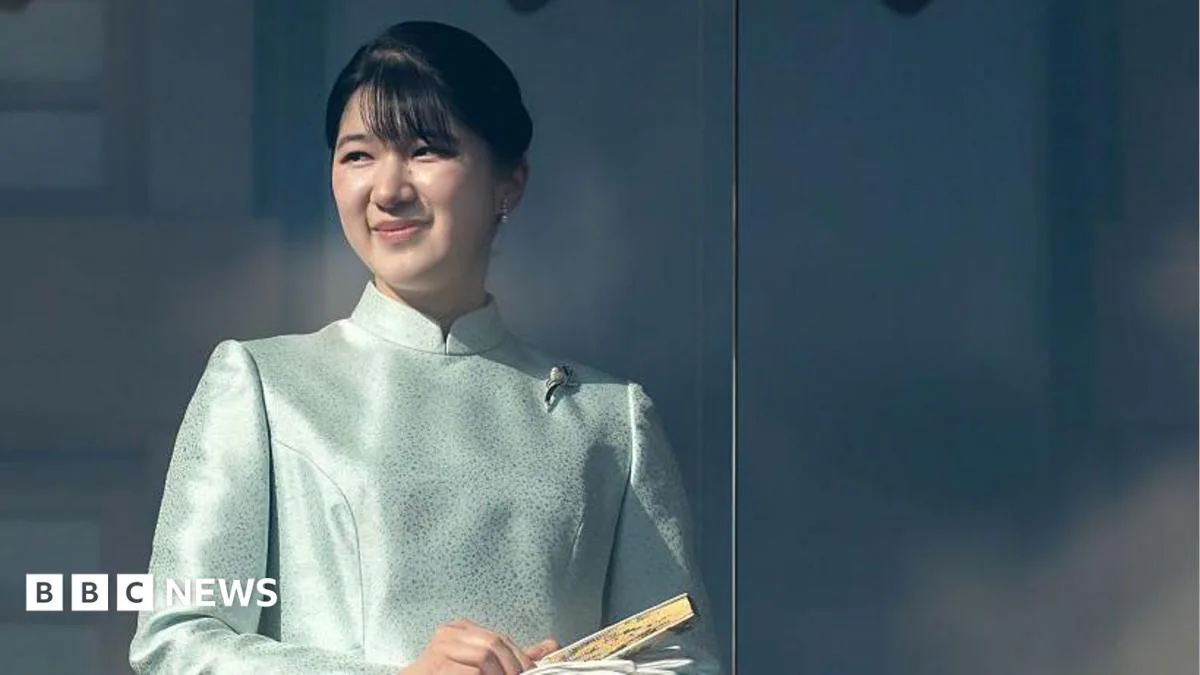
Opposition lawmakers criticized the ruling coalition for limiting parliamentary debate on the issue. Social Democratic Party leader Mizuho Fukushima noted the revision allows female members, including Princess Aiko, to remain in the family but still bars them from becoming emperor [2, 11, 4, 6].
The new law sets an annual allowance of 30.5 million yen for female imperial family members retaining status after marriage for fiscal 2026 [7, 8]. The bill passed the upper house with 184 votes in favor and 57 opposed out of 241 total [4, 6].