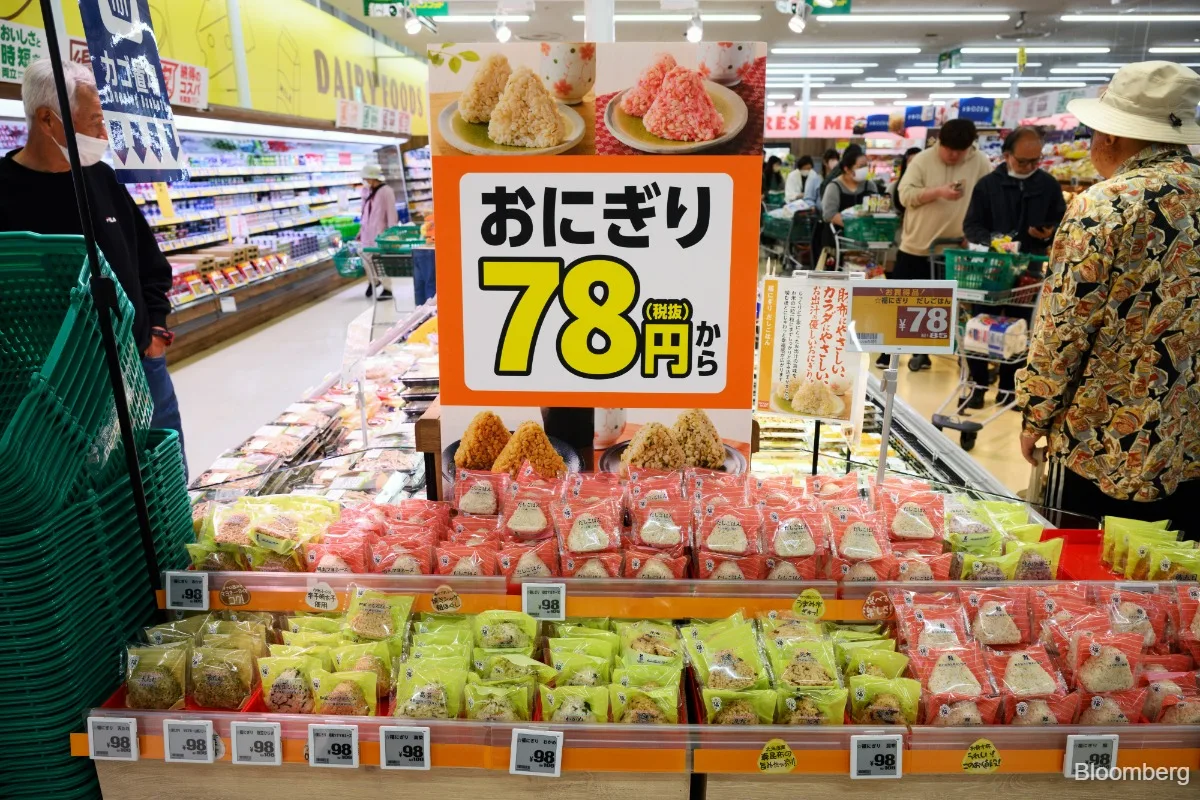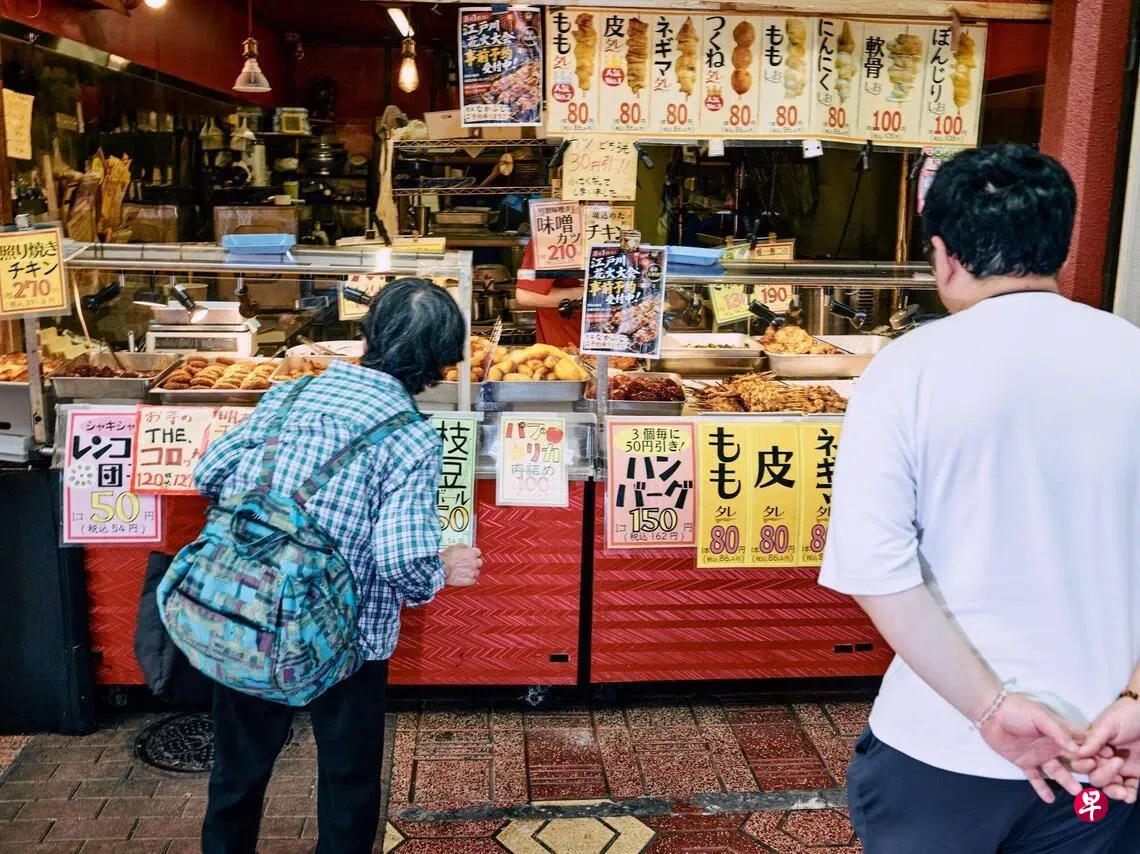
Japan will lower the food and beverage sales tax from 8% to 1% starting in April 2027, for a period of two years, to ease inflationary pressures and support households facing rising food prices [1, 2, 3, 4, 5, 6]. Prime Minister Sanae Takaichi is driving the effort and has asked the ruling Liberal Democratic Party to draft legislation for the tax cut [1, 2, 3, 4, 5, 6].
The change will mark the first time Japan has lowered any consumption tax rate since the tax system was introduced in 1989. Other goods and services currently face a 10% consumption tax [4, 5, 6]. Takaichi said the 1% rate was chosen instead of zero to reduce complexity in retail cash register programming [1, 2, 6].
Along with the tax cut, the government will provide cash payments totaling about 600 billion yen annually to eligible middle- and low-income households starting in autumn 2027. This aims to offset the remaining 1% tax burden for those families [1, 2, 6].
The tax cut is expected to cost more than 4 trillion yen each year in lost revenue, with total losses over two years reaching roughly 10 trillion yen. The government has not yet clarified how it will make up for this fiscal shortfall, raising concerns about budget health [1, 2, 4, 5, 6]. Economists like Akane Yamaguchi at Daiwa Institute note the decision is largely priced into markets but fiscal concerns remain [2].
A cross-party panel tasked with agreeing on implementation and financing abandoned consensus in late July 2026, reflecting continuing political division over whether the tax cut should be temporary or permanent and how to fund it [1, 2].
Takaichi’s approval rating fell below 50% in July amid public dissatisfaction with inflation management and tax policies. Suzuki Shunichi, LDP secretary-general, acknowledged the drop but urged analysis to turn it into forward momentum [3, 7, 8, 9]. Meanwhile, Takaichi said, “I do not let approval ratings cloud my judgment nor have regrets. I will reflect policy concerns raised in polls” [3].
A cabinet reshuffle is planned between August and September 2026 to stabilize the government and may include members of the junior coalition partner, the Japan Innovation Party [3, 7, 10, 11, 12].
The food tax cut to 1% officially starts in April 2027. Cash payments to eligible households to offset the tax burden will begin around autumn 2027 [1, 2, 6].