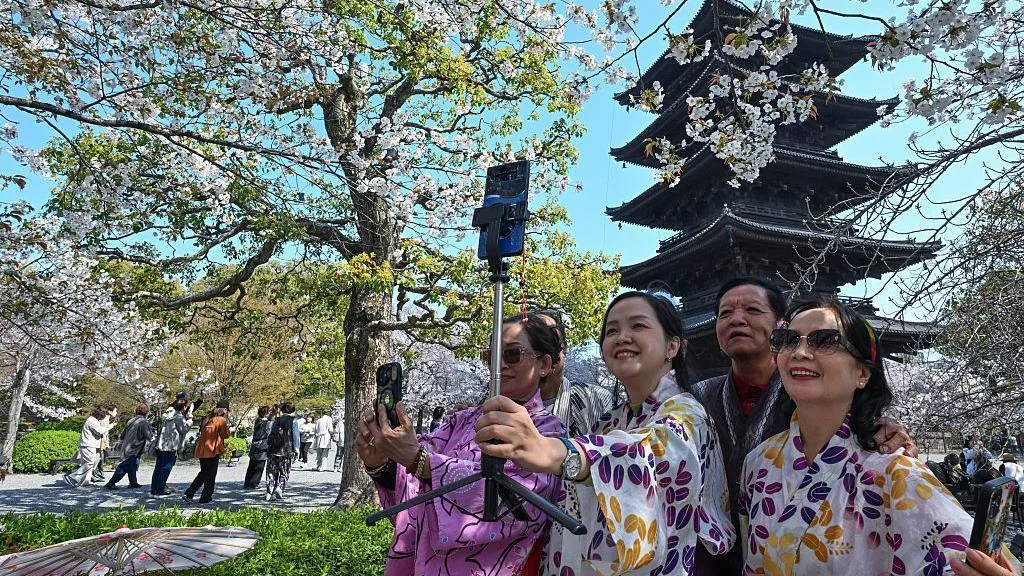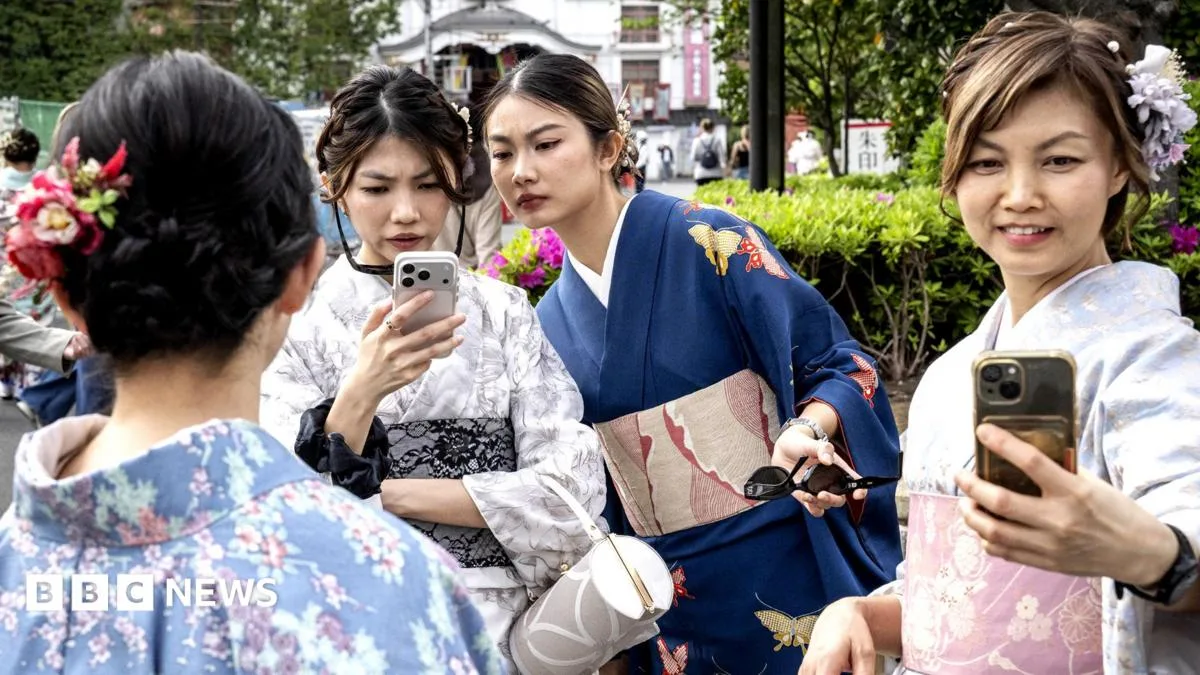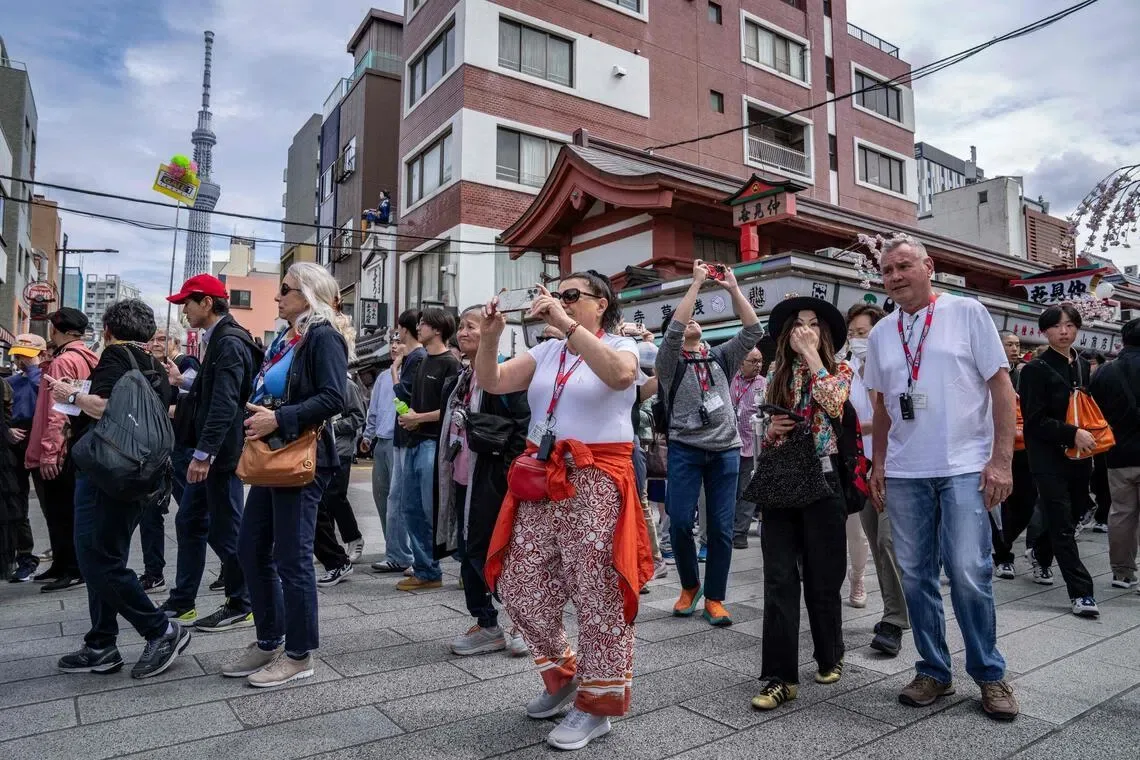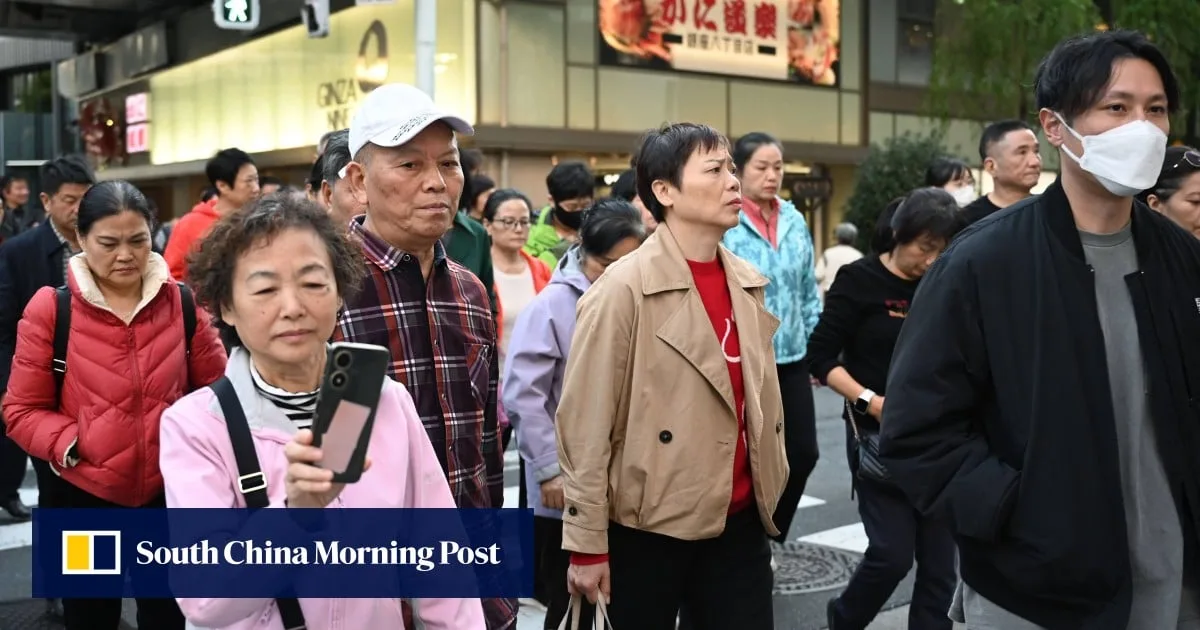
Japan will increase visa fees fivefold from July 1, 2026, raising the single-entry visa fee from 3,000 yen to 15,000 yen and the multiple-entry visa fee from 6,000 yen to 30,000 yen, marking the first visa fee hike since 1978 [1, 2, 3, 4]. Foreign Minister Toshimitsu Motegi said the fee revision reflects inflation and exchange rate fluctuations, adding, "The current visa fee was set in 1978, and we have recently revised it to reflect inflation and exchange rate fluctuations since then." He also stated, "We do not anticipate that it will have an immediate impact on inbound tourism." [1, 5]
The weakening of Japan's yen to near 40-year lows since 2021 contributed to the decision to raise fees [1, 2, 4]. Japan welcomed a record 42.7 million international tourists in 2025, demonstrating a strong post-pandemic rebound [1, 2, 6]. Despite the fee rise, Japanese authorities do not expect it to significantly deter tourism in the short term [1, 2, 3, 5].
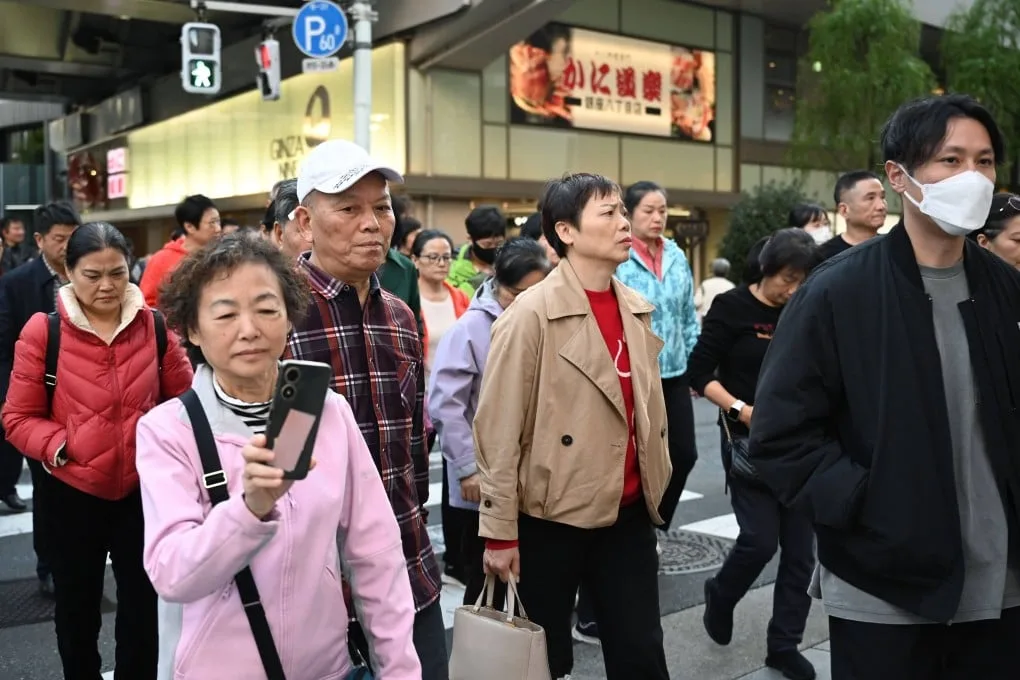
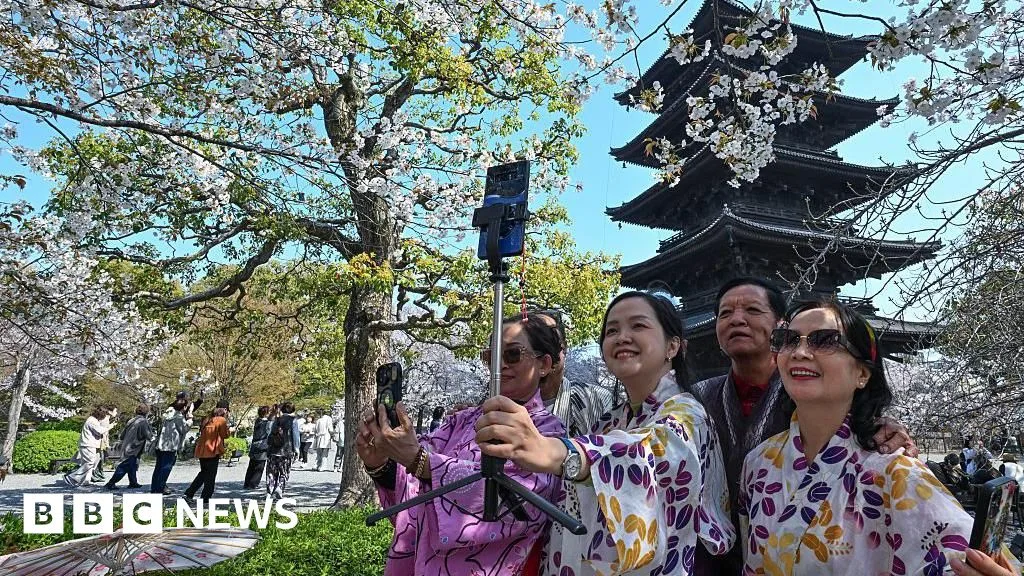
The visa fee increase will chiefly affect Chinese travelers, as China is the only major source country requiring visas to enter Japan [4, 7, 8]. Chinese arrivals dropped 60.4% year-on-year to 313,000 in May 2026 amid strained relations and travel warnings [7, 8]. A Shanghai resident noted the fee hike "theoretically will affect", but added from personal experience it "won't affect" plans because visa fees are often a last consideration and overall trip costs are about 20% cheaper now due to currency changes [8]. South Korea, Taiwan, and the U.S. remain the top visa-exempt source countries for Japanese tourism [7, 8].
Alongside visa fees, Japan will triple its international tourism departure tax from 1,000 yen to 3,000 yen from July 1 to address overtourism and support local area dispersion efforts [9]. Prime Minister Sanae Takaichi connected the visa fee hike and tourism controls to managing foreign resident populations and concerns over illegal overstays and tourism pressures. She stated, "Some foreign nationals' illegal and rule-ignoring conduct is raising public anxiety and perceptions of unfairness. While drawing clear boundaries against xenophobia, the government will respond firmly to such improper behavior." [6]
Japan’s foreign resident population reached a record 4.13 million by the end of 2025 [5]. In May 2026, the Upper House approved raising the maximum fees for permanent residency to 300,000 yen (from 10,000 yen) and for residency status changes/extensions to 100,000 yen (from 10,000 yen) to align with G7 countries and cover administrative costs [1, 2, 5, 6]. The government plans to use increased revenue to expand Japanese language programs and strengthen enforcement against overstayers [6, 5].
The fee hikes and tax increases start July 1, 2026, marking a significant adjustment to Japan’s visa and tourism policies for the first time in nearly 50 years [1, 9, 5, 10, 11].