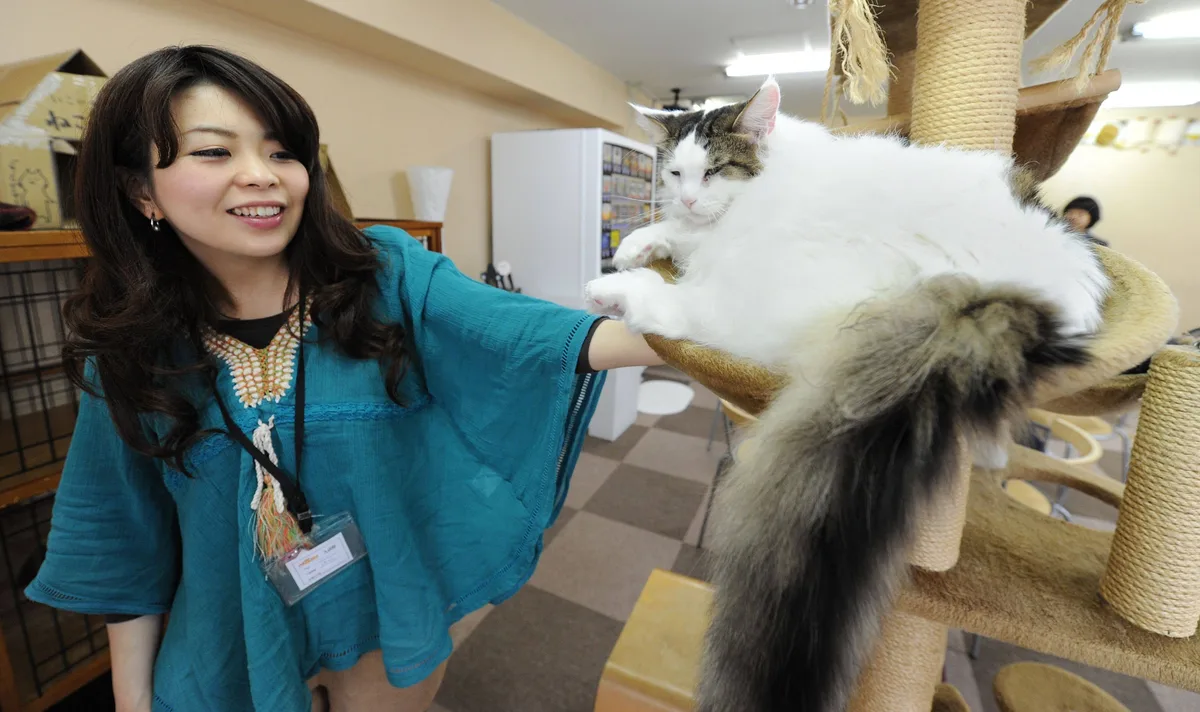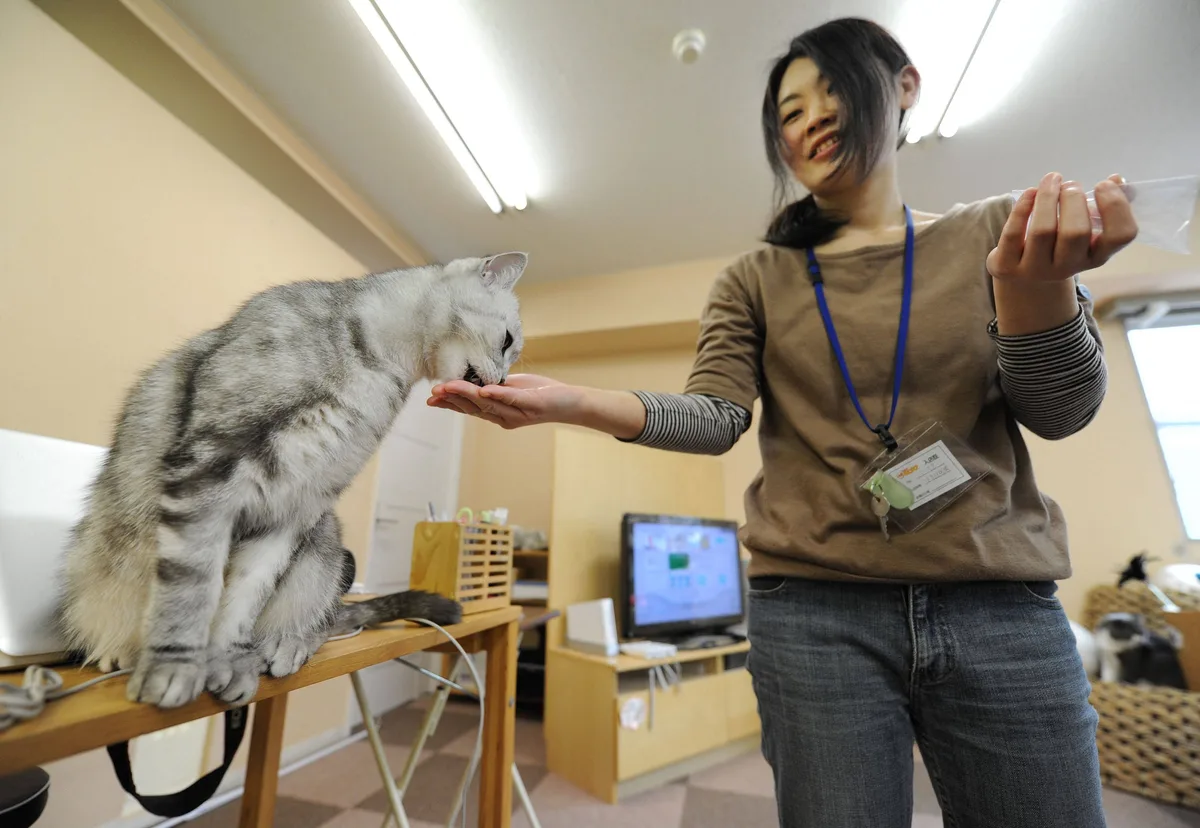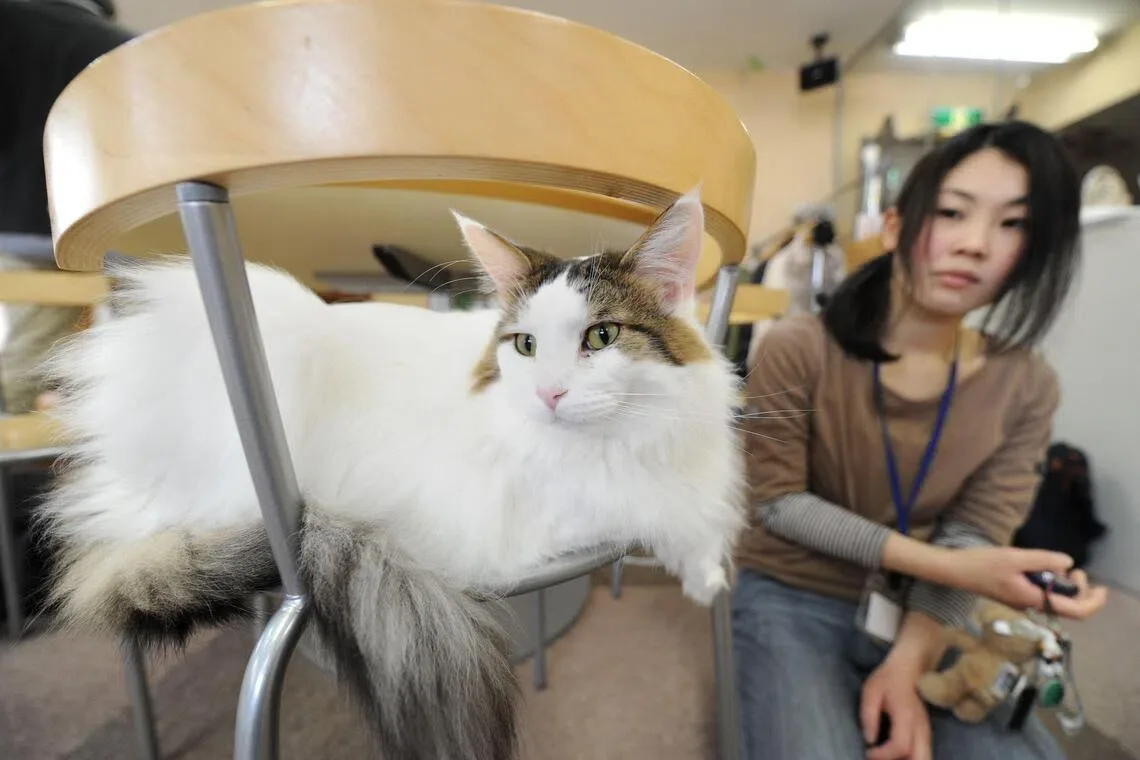
Japan plans to start a fact-finding survey as early as September 2026 to assess animal cafes across the country, focusing on the number of establishments and the types of animals they keep [1, 2, 3]. The environment ministry will examine whether these cafes comply with relevant laws, including the adequacy of animal space and hygiene practices [1, 2, 3].
If facilities are suspected of violating animal welfare laws, inspectors may conduct on-site visits to confirm conditions [1, 2, 3].
Animal cafes are popular in Japan and feature a wide range of animals, from common pets like cats to exotic species such as capybaras, otters, hedgehogs, owls, snakes, micro-pigs, raccoons, and reptiles [1, 3]. Some cafes also serve as adoption centers for rescued cats and dogs, offering a second chance for abandoned animals [1, 3].
Animal welfare groups and campaigners have voiced concerns that animals in these cafes often live in cramped spaces and endure stressful handling prioritizing customer entertainment over welfare. Laila Imai, PETA Asia Campaign Coordinator, said, "Whether the animals are otters, capybaras, raccoons, owls, reptiles, or other wild species, these businesses are built around close encounters that prioritise customer entertainment over the animals’ needs. Many are subjected to constant handling, noise, flashing cameras, and interactions with strangers throughout the day. What may appear charming to visitors can be stressful and unnatural for the animals forced to live that way" [1].
A 2025 survey by WWF Japan revealed some cafes keep endangered species listed on the IUCN Red List and species protected by the Convention on International Trade in Endangered Species (CITES), raising concerns about capture and trade of rare wildlife [1, 3]. Several cafes were found to have inadequate hygiene management, such as failing to remind visitors to wash hands after touching animals, with microbiological tests detecting pathogenic bacteria in multiple locations [1, 3].
The decision to launch this survey followed recommendations by an expert panel on animal welfare, aiming to understand and address these issues comprehensively [1, 2, 3].
The survey is scheduled to begin in September 2026, with results expected to inform future regulatory measures on the operation and oversight of animal cafes in Japan [1, 2, 3].