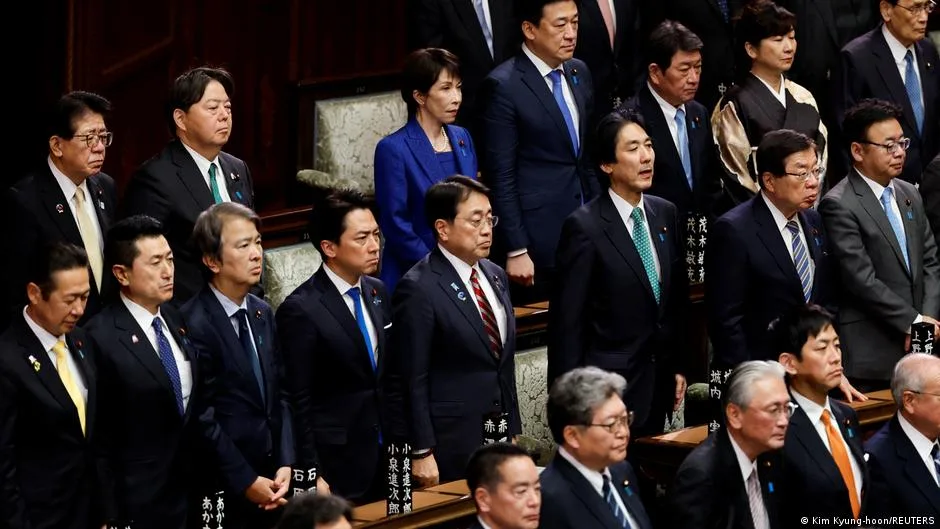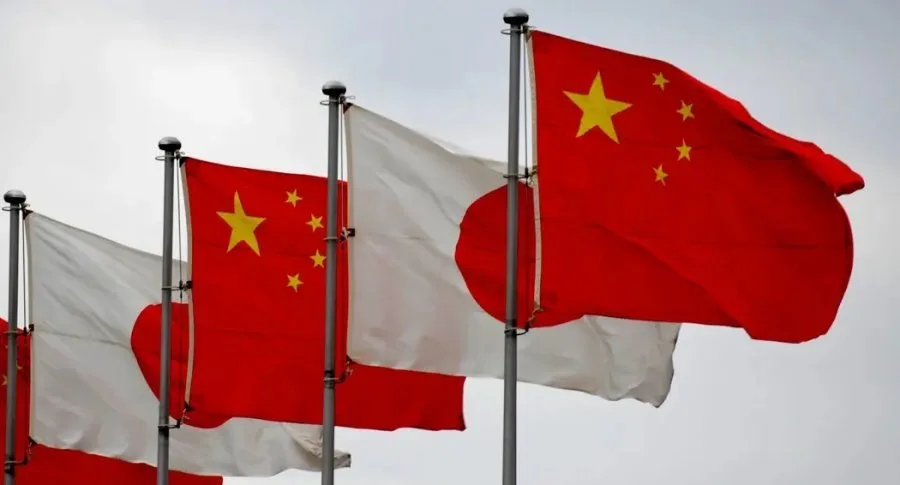
A Japanese cross-party parliamentary delegation traveled to China from August 24 to 27, 2026, marking the first official visit since Prime Minister Sanae Takaichi's controversial Taiwan remarks in November 2025 that triggered severe tensions between the two countries [1, 2, 3, 4, 5, 6, 7].
The delegation consisted of three members: Shinichi Isa, spokesman of the opposition Centrist Reform Alliance; Gaku Hashimoto, former Deputy Minister of Health, Labour and Welfare from the ruling Liberal Democratic Party and son of ex-PM Ryutaro Hashimoto; and Yudai Kawamura, a Komeito party senator [1, 2, 3, 4, 6, 7].
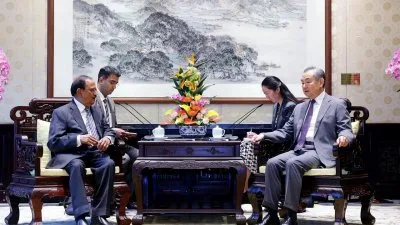
They met senior officials from the Chinese Communist Party’s United Front Work Department in Beijing to discuss bilateral issues and prospects for dialogue [1, 3, 6].
The group also planned visits to the Xiong'an New Area in Hebei province, a project personally promoted by Chinese President Xi Jinping, and inspected China's latest advancements in robotics and autonomous driving technology [1, 3, 4, 6].
Before the trip, delegation spokesman Shinichi Isa said, "Sino-Japanese relations are at their worst since normalization of diplomatic ties in 1972," with "all communication channels between governments and officials cut off." He expressed hope that the delegation's visit might help "reopen dialogue" between the two countries [1, 2, 3, 6, 7].
The deterioration in relations stemmed from PM Takaichi’s statements in late 2025 that Japan could militarily intervene if China attacked Taiwan. Beijing responded with travel advisories against Chinese citizens visiting Japan and imposed trade restrictions [2, 5, 7].
China’s Foreign Ministry spokesperson Lin Jian said on August 21, 2026, that "some wise Japanese people are worried about bilateral ties and hope to bring relations back to the right track," urging Japanese leaders to listen to these voices and follow agreed political principles [2, 7].
The delegation’s visit was part of a broader effort to restore dialogue, as further Japanese delegations, including one led by former Foreign Minister Takeshi Iwaya, prepared visits to China in September. Additionally, about 80 Japanese business representatives from the Kansai region planned travel to China between November and December 2026 [3, 5, 6].
Meanwhile, Japanese media noted a sharp decline in Japanese tourists visiting China, falling over 40% during the 2026 Obon holiday period compared to the previous year. Approximately 47,000 Japanese traveled to China during Obon, compared to 63,000 to Taiwan and 97,000 to South Korea. Some analysts attributed the decline to worsening bilateral ties and safety concerns [8].
Despite the tensions and Beijing’s attempt to use tourism as leverage, Shinichi Isa emphasized that cutting off communication channels harms neither country’s interests and must be reversed through renewed dialogue [7]. The delegation’s visit marks a concrete step toward easing diplomatic strain and rebuilding communication after nearly nine months of frozen ties.