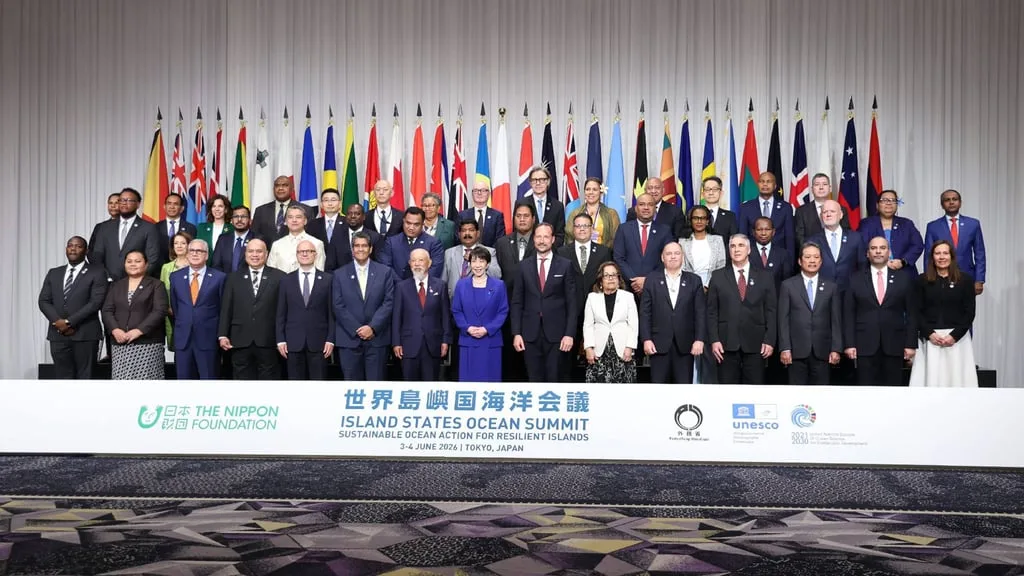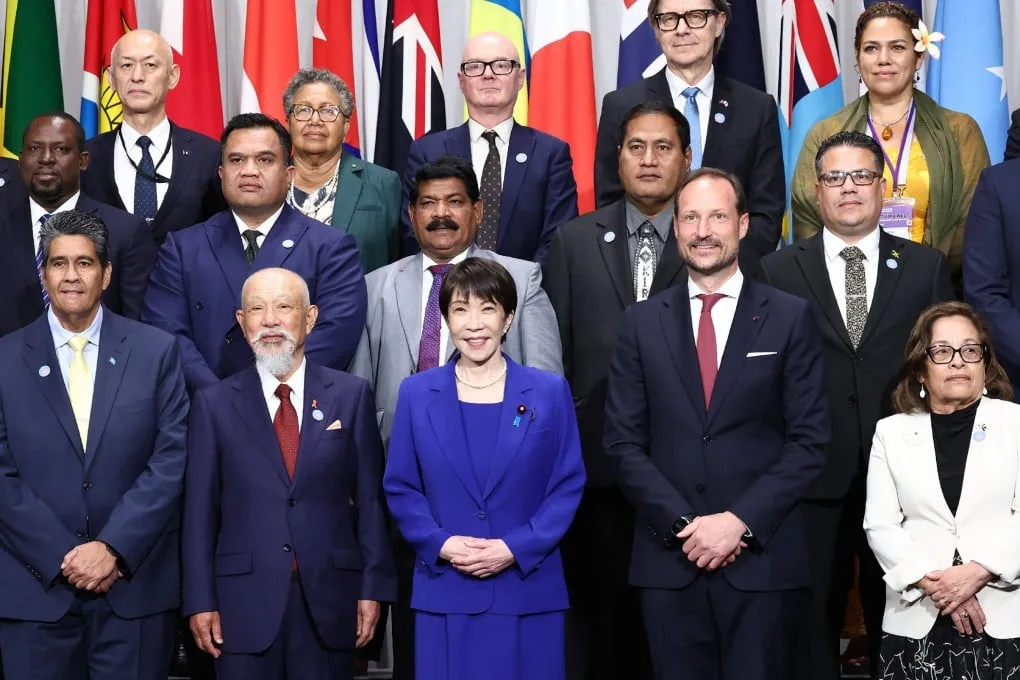
Prime Minister Sanae Takaichi spoke at the inaugural Island States Ocean Summit in Tokyo in early June, pledging Japanese support to Pacific Island nations facing extreme weather and rising sea levels. She emphasized cooperation on maritime domain awareness and law enforcement capacity, saying, "Japan will continue to support countries and regions confronting extreme weather events and rising sea levels while also strengthening cooperation in maritime domain awareness and the capacity of maritime law enforcement agencies." She added Japan is "committed to helping regional partners strengthen their autonomy and resilience" [1].
The summit in Tokyo was co-hosted by the Nippon Foundation, Japan’s Foreign Ministry, and UNESCO’s Intergovernmental Oceanographic Commission [1].
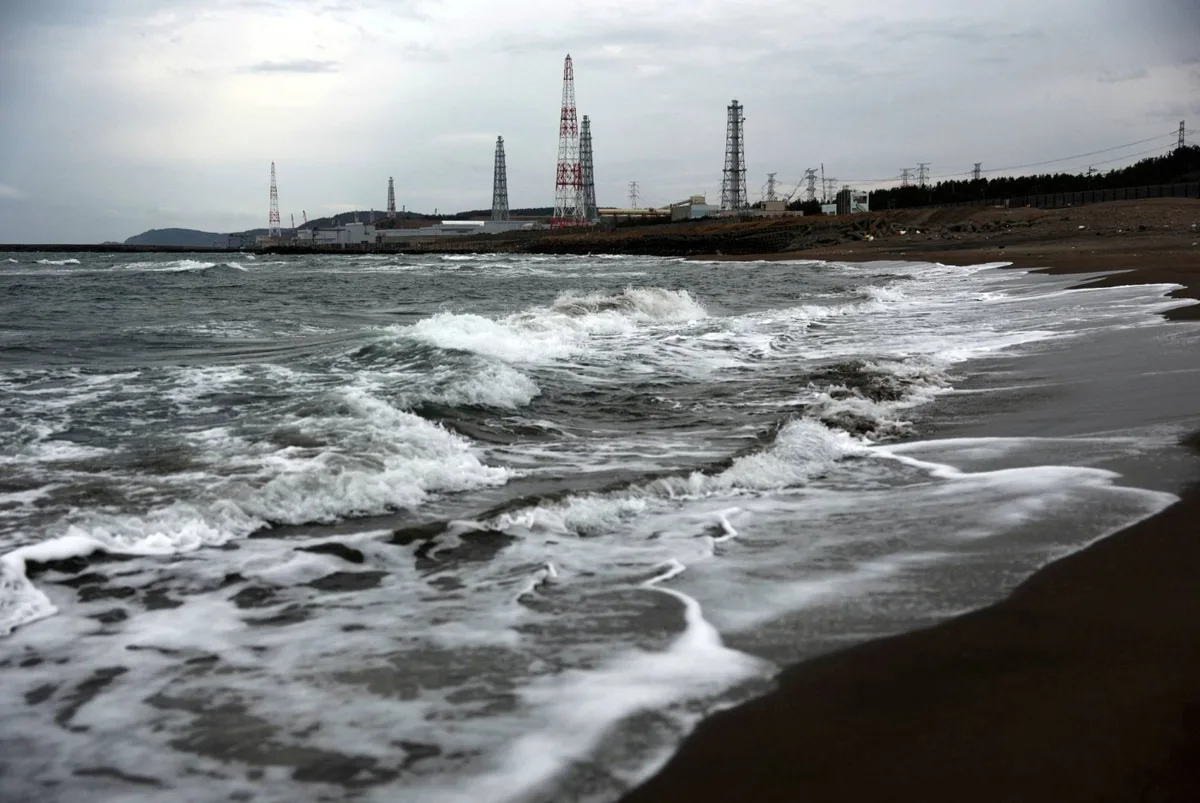
Separately, Japan’s Ministry of Economy, Trade and Industry released a policy proposal on June 5 to rebuild aging nuclear reactors between the 2040s and 2050s to secure a stable power supply [2]. The plan calls for rebuilding 2 to 5 reactors by the 2040s and 11 to 14 by the 2050s, aiming for new nuclear capacity of about 16 gigawatts [2]. Japan’s energy plan targets doubling nuclear power’s share in the electricity mix to roughly 20% by fiscal 2040 [2].
Prime Minister Takaichi supports expanding nuclear power to reduce reliance on imported fossil fuels [1, 2]. Japan had shut down all 54 nuclear reactors following the 2011 Fukushima disaster but has since restarted 15 of the 33 operable units [2]. Many reactors are reaching or surpassing their 60-year operational limits, driving the need for replacements [2]. However, public trust remains fragile due to past safety concerns and recent controversies [2].
The government’s plans mark a major step to both address energy security and support Pacific Island partners amid climate challenges. The next major milestone will be tracking progress on rebuilding nuclear reactors through the 2040s as outlined in the ministry’s proposal [2].