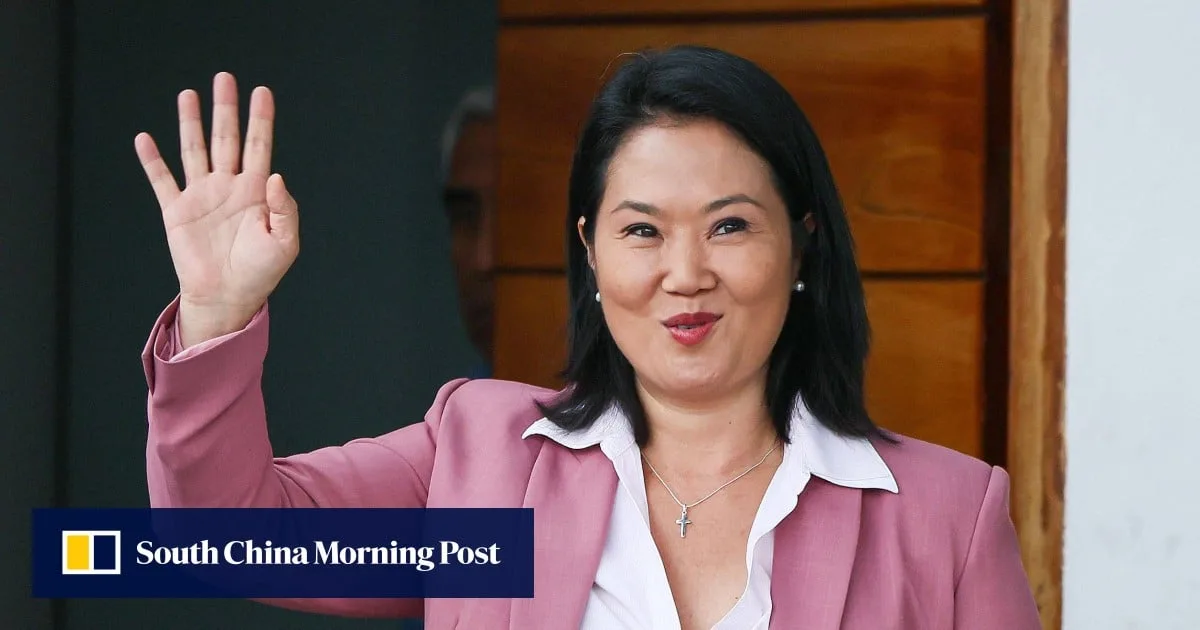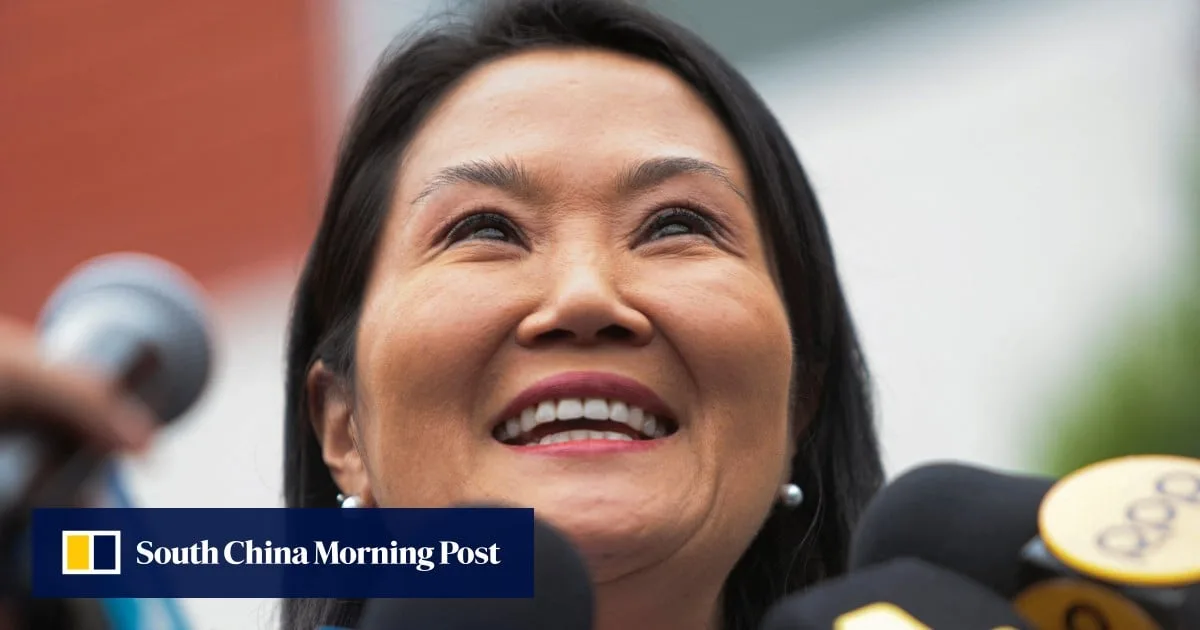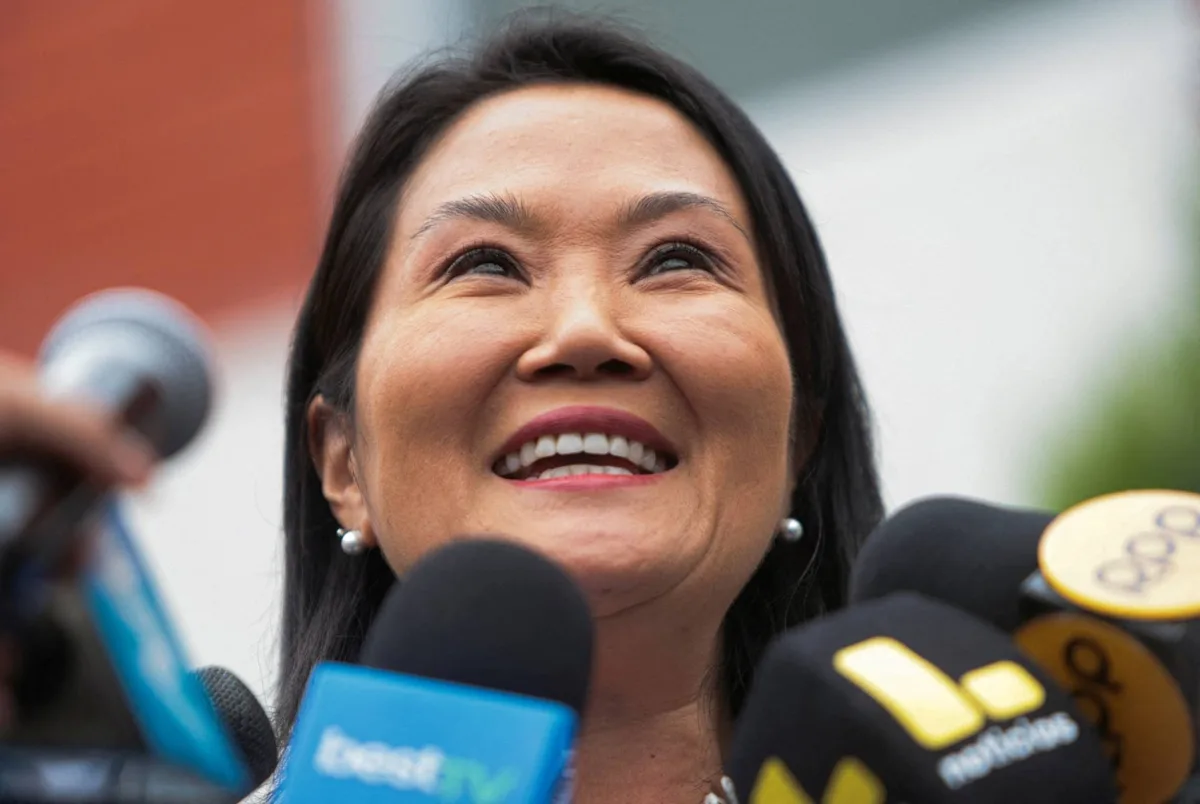
Keiko Fujimori is poised to become Peru’s next president after securing a narrow lead over leftist rival Roberto Sanchez in the June 7 run-off election, with about 99.8% of ballots counted as of June 23 [1, 2, 3]. Fujimori had between 50.1% and 50.12% of the vote, ahead by roughly 43,000 to 44,000 votes out of more than 18 million cast [1, 3].
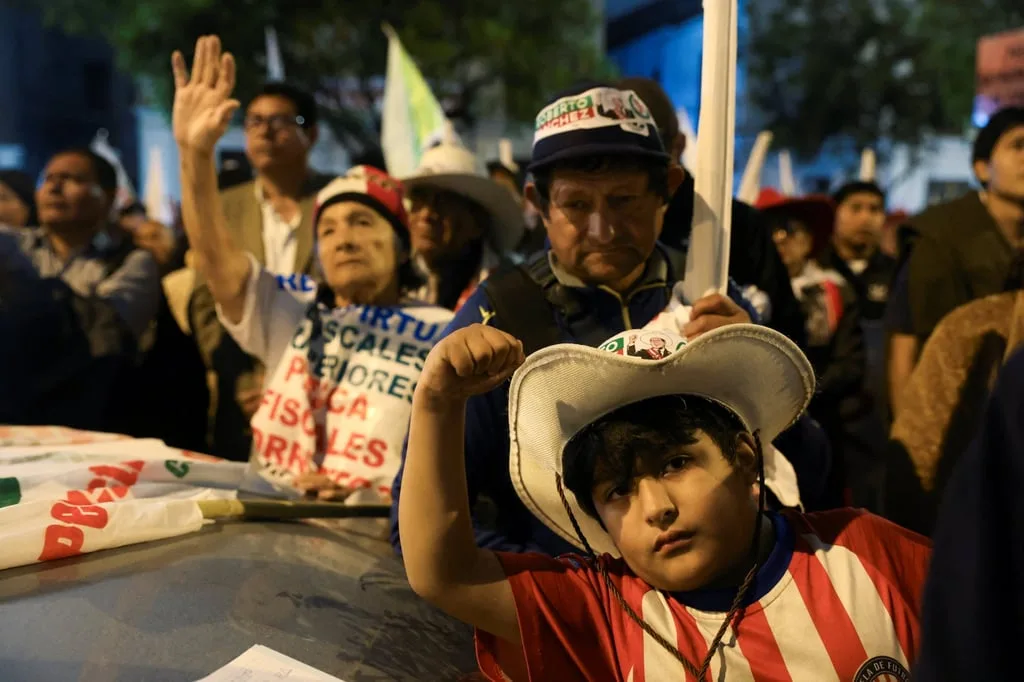
Although election authorities have not yet declared a winner, they plan to do so by mid-July [1, 2]. Fujimori’s party, Fuerza Popular, said it will wait for the official count before declaring victory [1]. Her leftist opponent, Roberto Sanchez, has challenged the results, refusing to recognize a Fujimori government and alleging irregularities in overseas ballot recounts [1].
Fujimori won strong support from Peruvians living abroad, including in the United States, Argentina, and Japan [1]. In a June 24 news conference, she pledged to unify the country and form a cabinet of experienced technocrats if elected, emphasizing plans to tackle crime and inequality. "We are aware that Peru is divided, that it is practically split in two," Fujimori said. "Starting on July 28 [inauguration day], what you will be able to see are actions and decisions that will be taken not only to restore order, but to confront crime and also to bring progress" [2].
Fujimori, daughter of former president Alberto Fujimori, has run for the presidency four times, losing the first three [1, 3]. Her father ruled Peru in the 1990s but was later jailed for corruption and human rights violations [3]. Political scientist Jorge Aragon said the Fujimori name "is a brand that is well positioned, whether you like it or not. This fourth attempt may be the one that works" [3].
The new president will be inaugurated on July 28 for a five-year term [1, 2]. Electoral authorities continue the vote count amid ongoing disputes over the results.