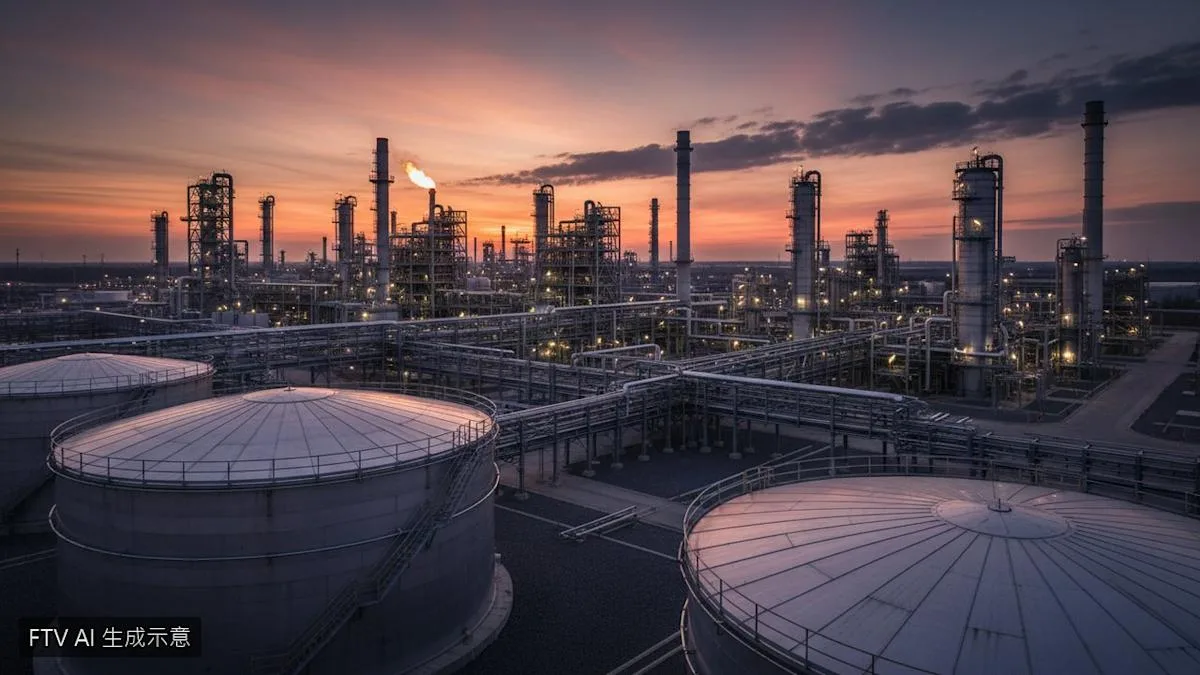
Kremlin economic envoy Kirill Dmitriev stated on June 4 at the Saint Petersburg International Economic Forum that Europe needs Russian oil and gas to survive the energy crisis triggered by instability in the Middle East. "The world is on the brink of a very serious energy crisis because of the instability in the Middle East. In order for Europe to overcome this crisis, Europe needs to find options for partnership with Russia and to restore the flows of both oil and gas from Russia," Dmitriev said [1].
Despite Western sanctions on Russian energy since the Ukraine war began, European countries have continued purchasing Russian gas and liquefied natural gas (LNG). EU data showed imports of Russian LNG in the first quarter of 2026 reached their highest levels since 2022, keeping Russia as the bloc’s second largest energy supplier [1, 2]. This rise in imports comes as surging energy prices result from the US-Israeli conflict with Iran and Tehran’s closure of the Strait of Hormuz, which have tightened global supply [1].
However, Europe plans to ban Russian LNG imports starting in 2027 and has ruled out easing existing sanctions on Russian energy. Meanwhile, the European Union’s top diplomat Kaja Kallas called for increased diplomatic pressure on Moscow and remarked, "So far we haven’t seen the willingness from the Russian side to actually negotiate" peace [1].
Russian President Vladimir Putin said Russia is prepared to supply Europe with oil and gas on the condition that Europe commits to lasting stable cooperation. Since 2022, Russia has also increased energy exports to China and India, often selling at discounted prices compared to global benchmarks [1, 2].
On June 3, EU data confirmed record volumes of Russian LNG imports in the first quarter of 2026, the highest since sanctions began in 2022 [1, 2]. Starting next year, the planned European ban on Russian LNG imports will take effect, formalizing a move away from Russian energy despite current market dependencies [1, 2].