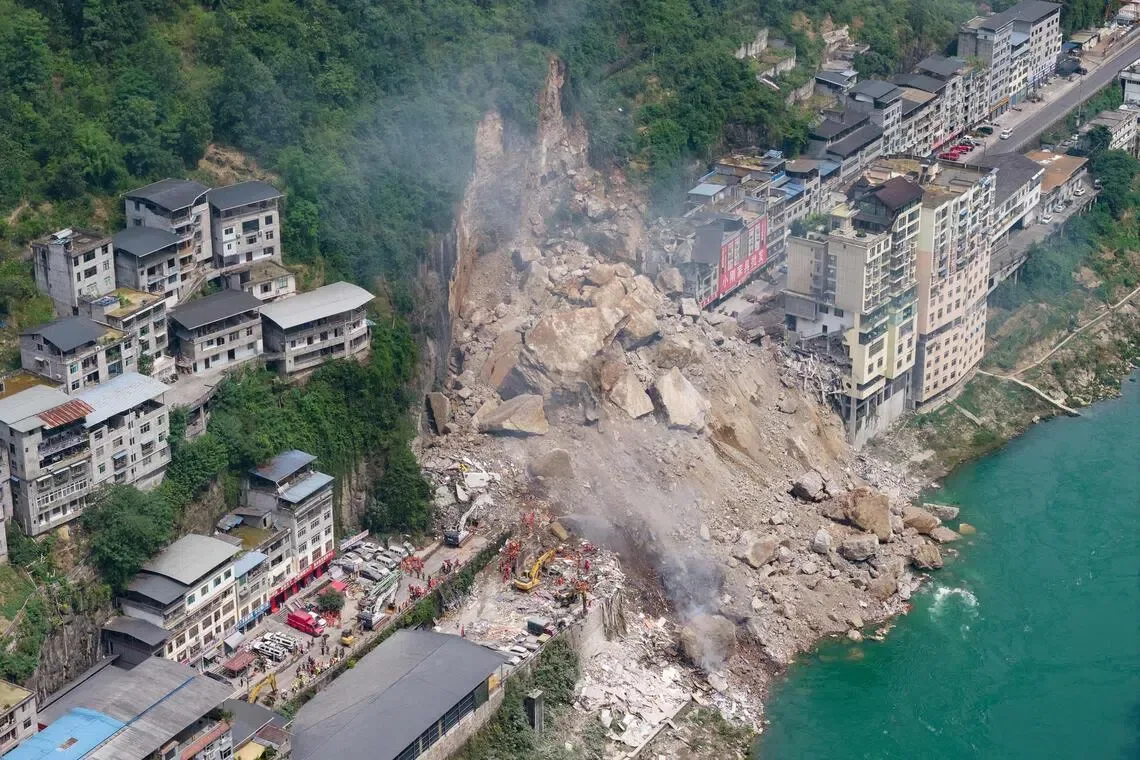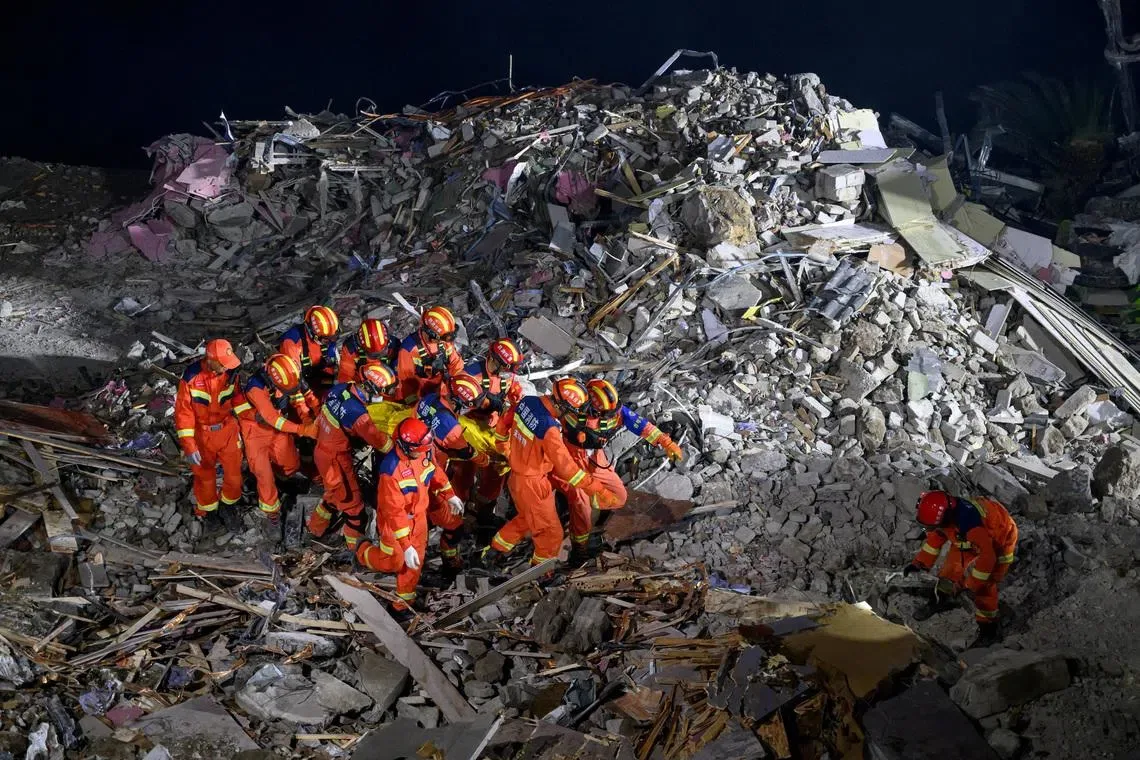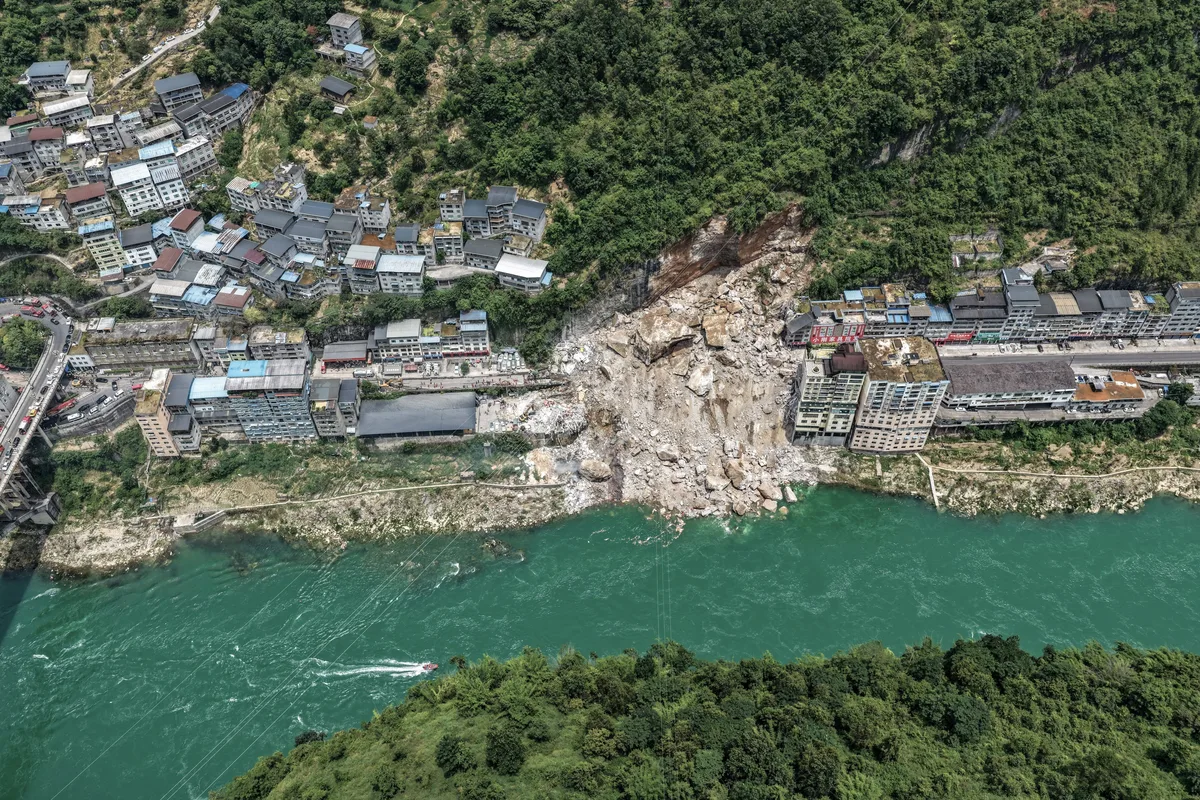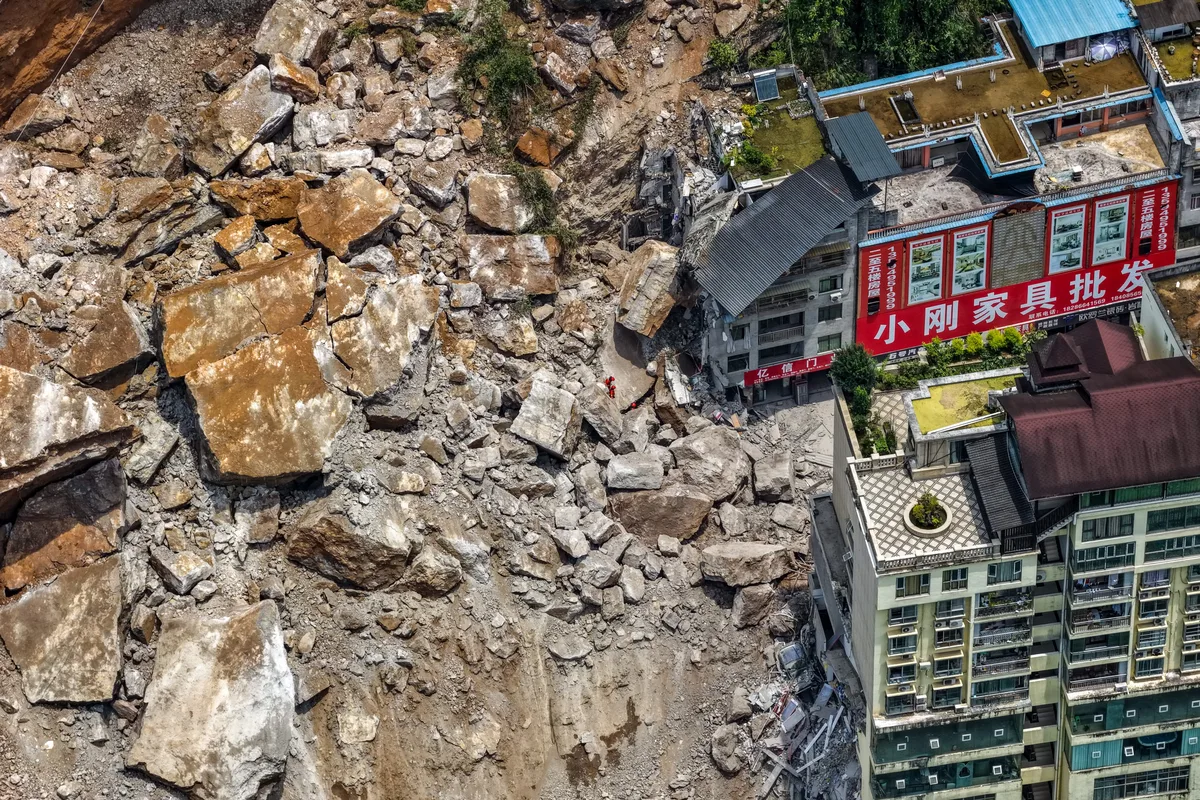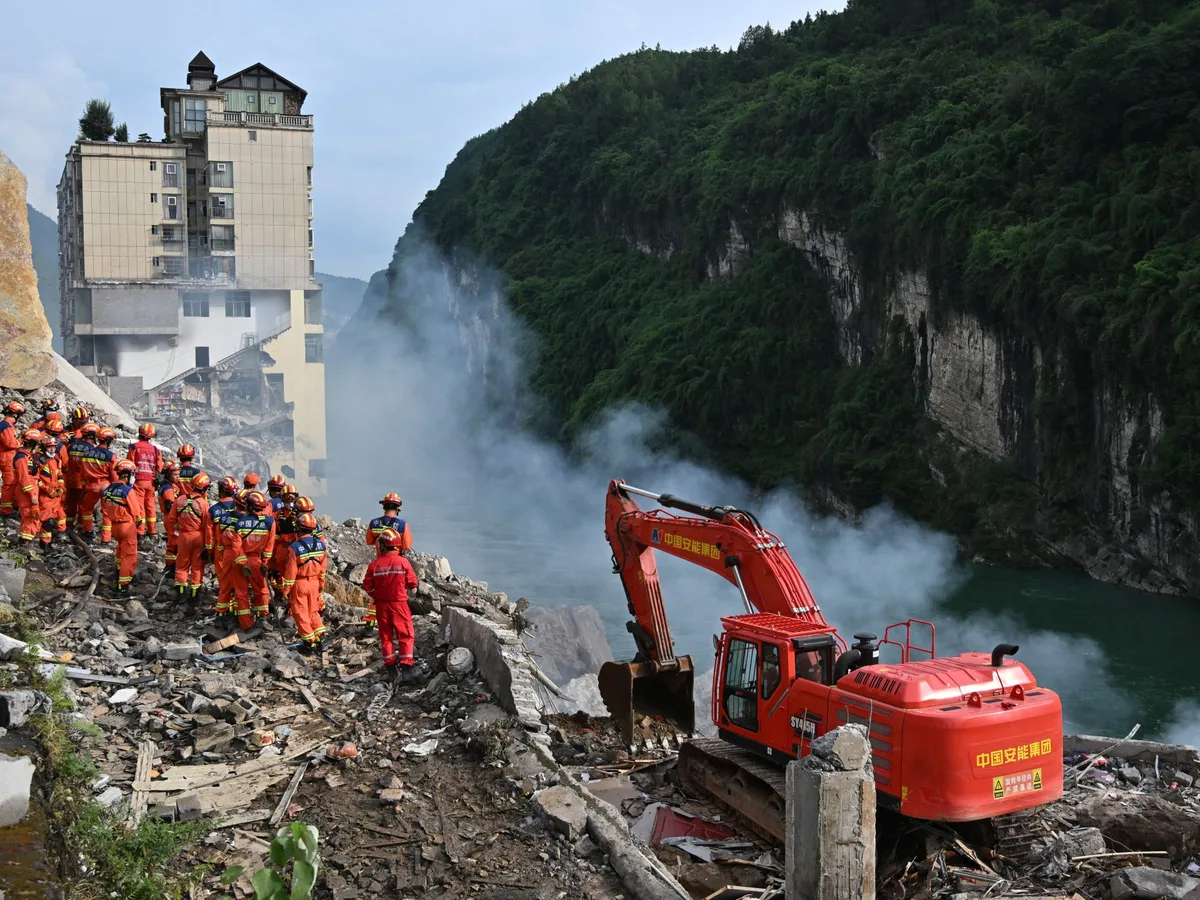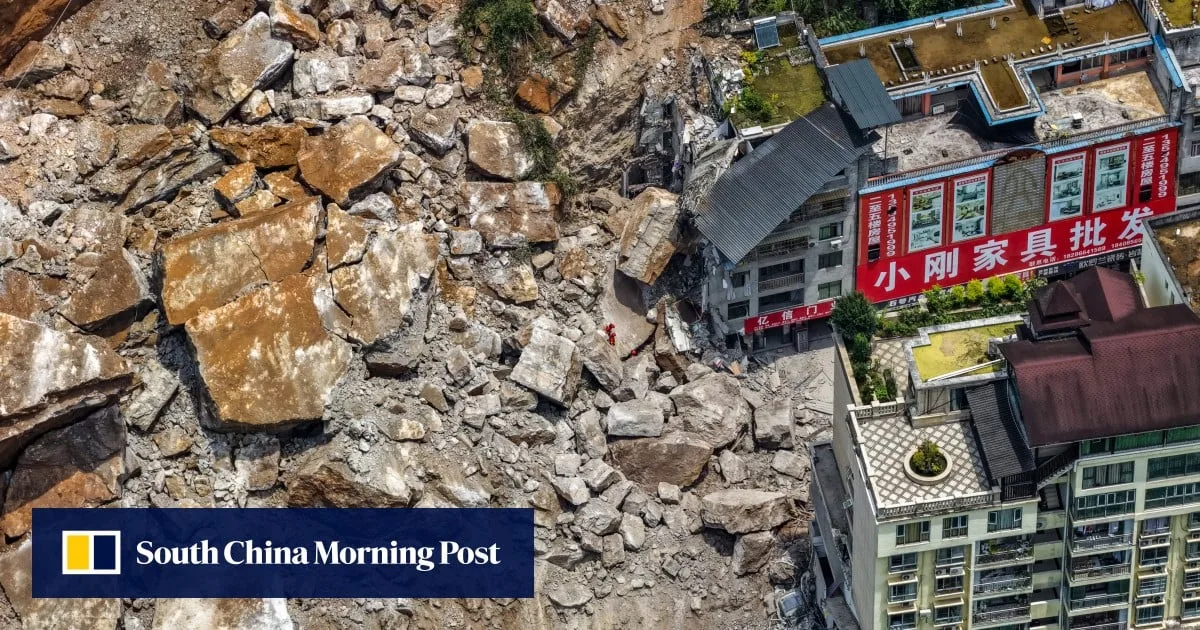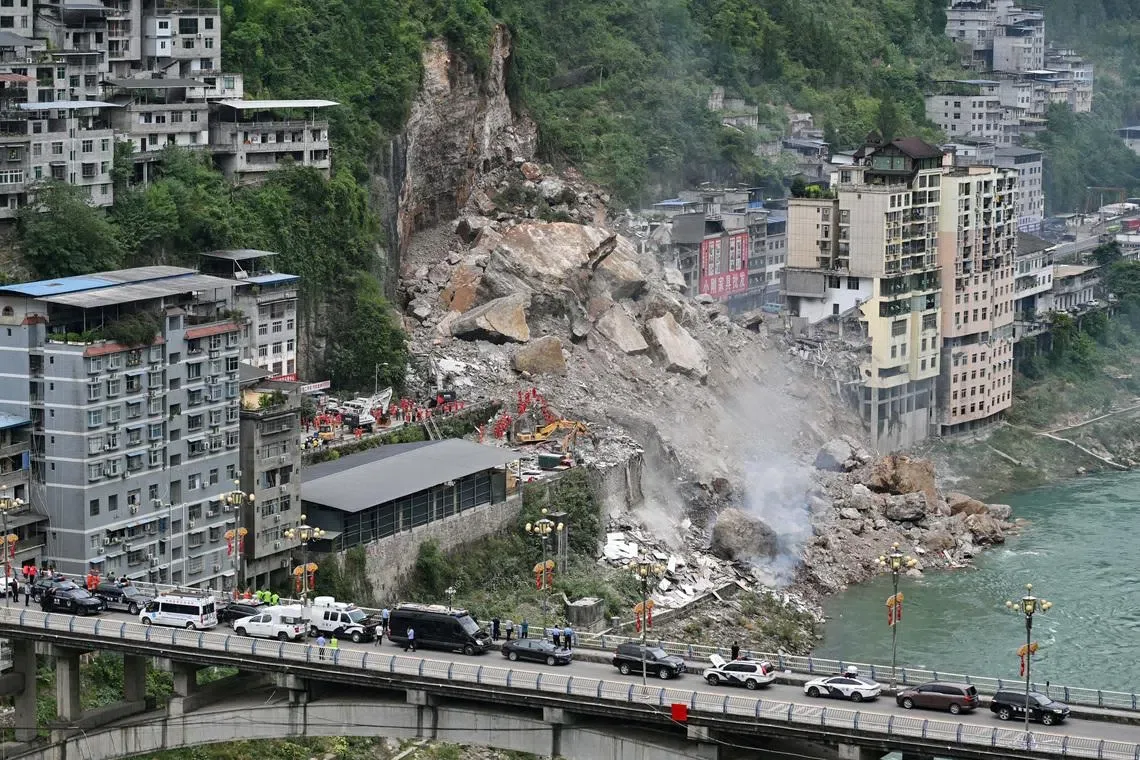
A landslide struck Pengshui County in Chongqing municipality, southwestern China, on July 17 around 9:08 to 9:10 a.m. local time, burying homes and trapping dozens under mud and debris [1, 2, 3]. The disaster claimed at least eight lives and left 34 people missing [1, 4, 2].
Rescue teams have saved at least 18 people from the rubble, including 10 named survivors, some of whom sustained serious injuries [1, 5, 6]. More than 800 rescuers and emergency personnel have been deployed to the steep and dangerous landslide site, which features unpredictable terrain and hazardous rock formations [1, 2, 5].
Heavy rain and torrential downpours preceding the landslide complicated rescue efforts and heightened risks of secondary incidents [4, 7, 6]. Authorities evacuated over 1,100 residents from surrounding areas and cut off water, electricity, and gas services within a 1-kilometer radius of the site to ensure safety [4, 2, 6].
China's Ministry of Emergency Management activated a Level II national emergency response for geological disasters and allocated 50 million yuan (about $7.36 million) in relief funds to support rescue and recovery operations [1, 7, 6].
On the morning of the disaster, a local community worker had observed sporadic rockfalls and issued an emergency warning that triggered initial evacuations [7, 3]. Rescue teams used explosives on July 20 to clear large boulders blocking access to missing persons as the effort entered a deep search phase [4, 8].
Video footage showed extensive coverage of residential and commercial streets near the Wujiang River by rocks and dirt discharged by the landslide [1, 3]. The area remains hazardous due to unstable terrain.
President Xi Jinping directed officials to organise the search and rescue in a scientific manner and called for swift investigations into the cause of the disaster. He emphasized the need to study the event, draw lessons, and eliminate geological risks to prevent future tragedies [2, 9]. The landslide occurred less than two weeks after a deadly landslide in Gansu province killed 21 people, compounding concerns about regional geological stability [1, 5].
Official investigation teams were sent on July 18 to assess ongoing geological risks and monitor for potential secondary disasters [4, 7]. Rescue efforts continue amid challenging conditions at the site.