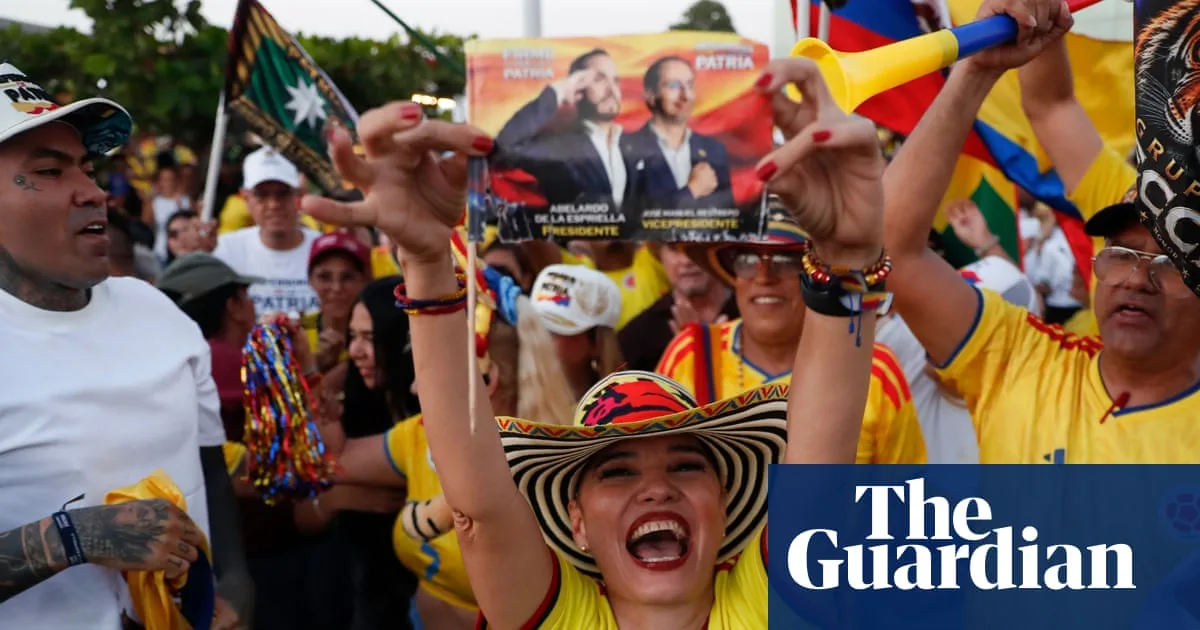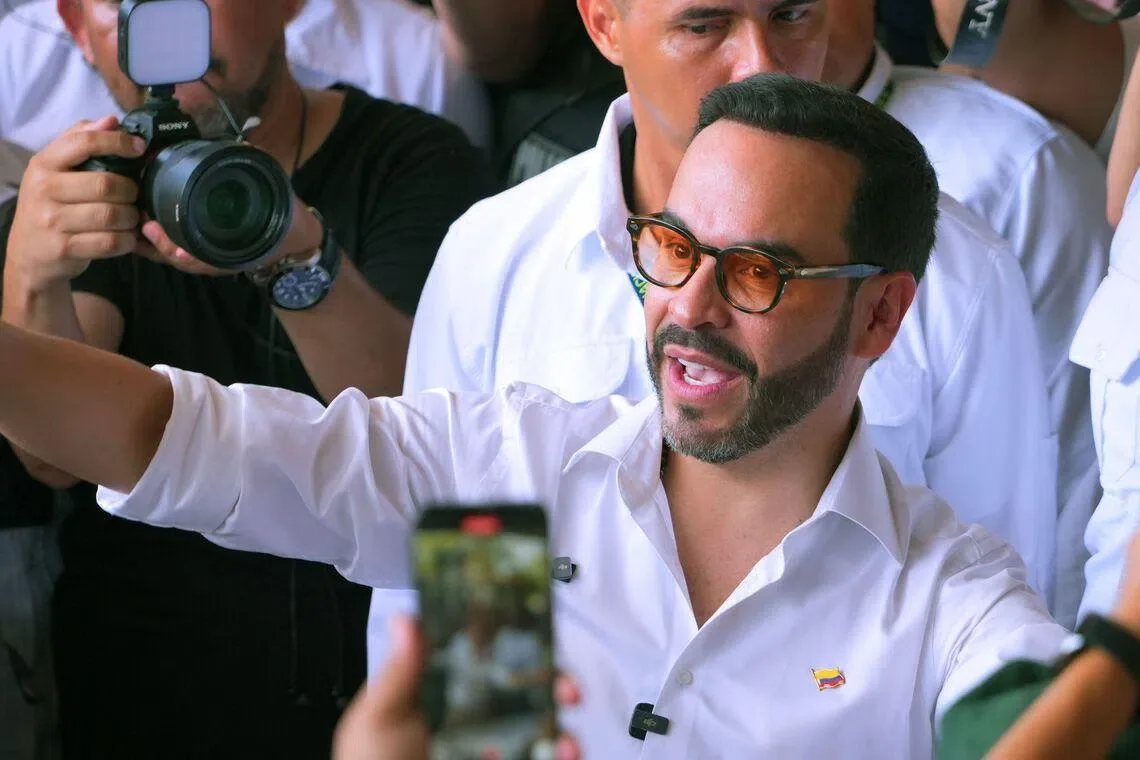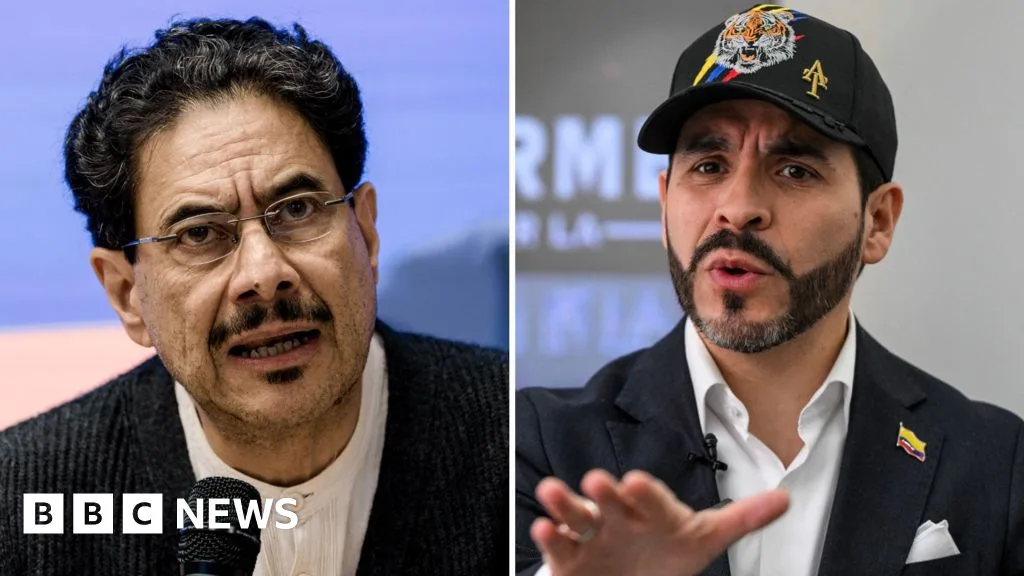
Colombia’s first-round presidential election on May 31 left no candidate with a majority, pushing the race into a runoff on June 21 between far-right lawyer Abelardo de la Espriella and left-wing senator Ivan Cepeda [1, 2, 3].
De la Espriella, a Trump admirer, led the first round with about 43.7% of the vote, surprising many analysts who had expected Cepeda to come out ahead in pre-election polls [1, 2, 4, 5, 6]. Cepeda, an ally of outgoing President Gustavo Petro, garnered around 40.9% to 41.5% of votes cast [1, 2, 4]. Right-wing Senator Paloma Valencia finished a distant third with roughly 6.6% to 6.9% support [2, 4, 7].
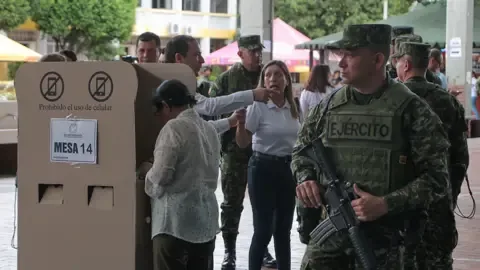
The vote included about 41.4 million eligible voters, of whom 1.4 million voted abroad [8]. Since no candidate passed the 50% threshold required to win outright, the top two candidates will face off in the runoff [1, 2, 7]. The new president will be inaugurated on August 7, 2026, under Colombia’s single four-year term limit [7, 9].
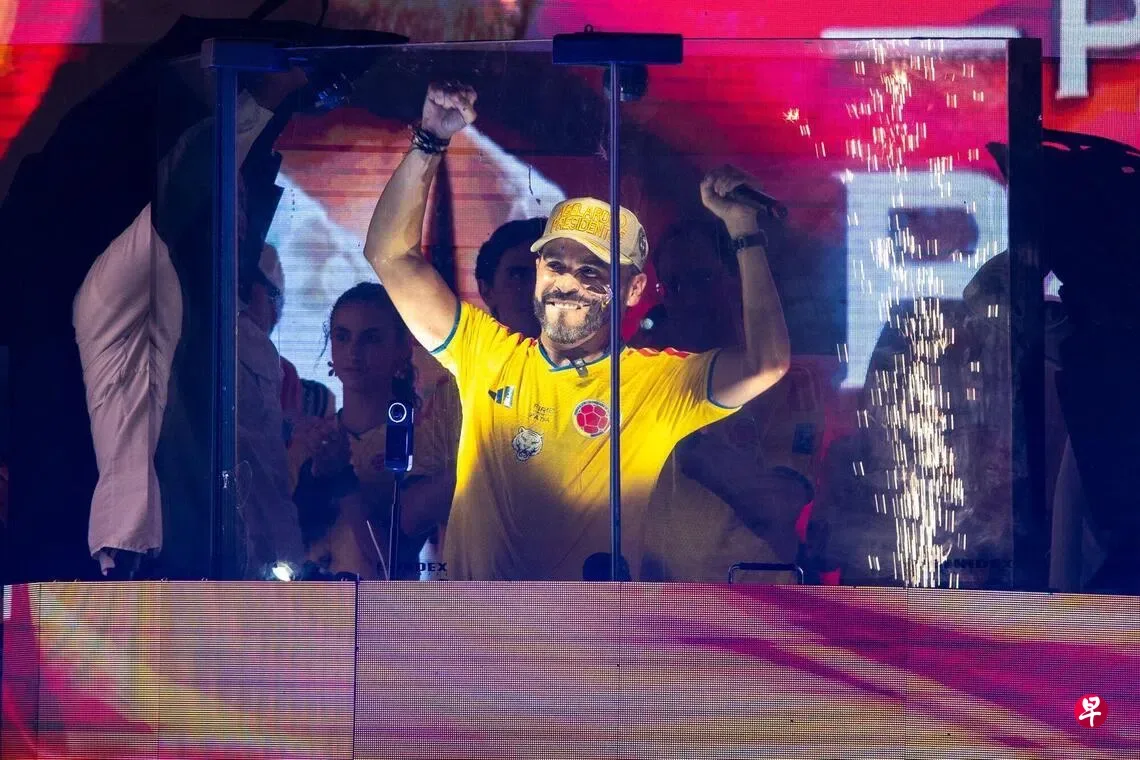
De la Espriella has campaigned on a hardline security platform. He supports forming military alliances with the United States and Israel and cracking down on armed groups, reflecting a far-right stance [1, 4, 5]. He called on supporters, saying, “More than 10 million Colombians placed their trust in el Tigre... In 21 days, we are going to change the history of Colombia forever” [2]. De la Espriella has faced criticism for sexist remarks and was ordered by a court to apologize publicly for harassing a female reporter during the campaign [9].
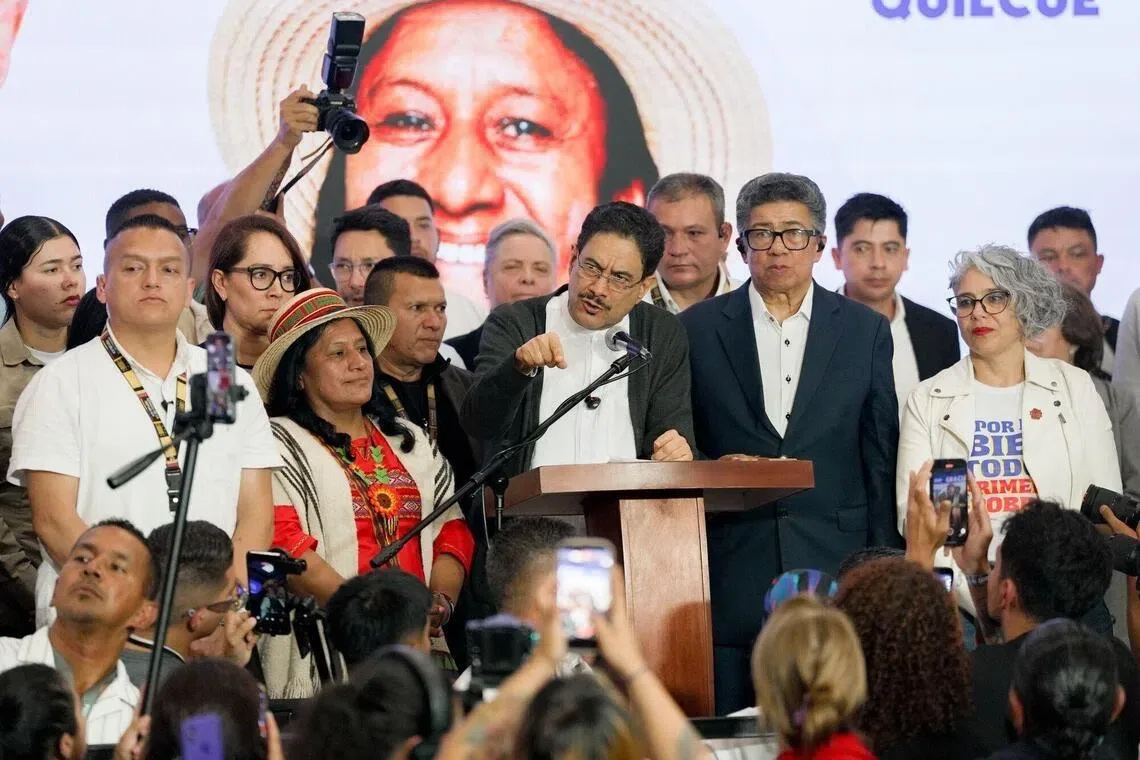
Cepeda promotes continuing Petro’s “total peace” strategy focused on negotiations rather than military action with armed groups. He also pushes economic reforms including land redistribution to reduce inequality [1, 10, 5].
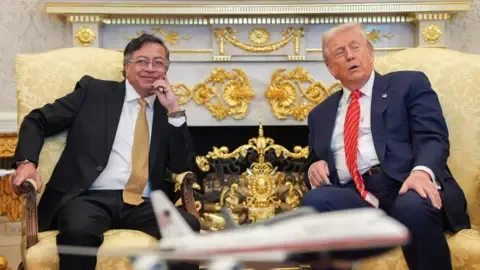
Outgoing President Petro has rejected the preliminary results, alleging irregularities without presenting evidence. He said, “As president, I do not accept the preliminary results,” and called for free elections without foreign interference. Petro also criticized U.S. President Trump’s public endorsement of de la Espriella [2, 9]. Electoral officials disputed the fraud claims. Juan Carlos Galindo Vácha noted differences between preliminary and official counts are historically under 1%, undermining claims of manipulated results [2].
The runoff on June 21 will decide the next president of Colombia amid a polarized political climate between far-right and left-wing forces [1, 2, 7].