A magnitude 7.2 earthquake struck off the coast of Iwate prefecture in northern Japan around 7:30 a.m. local time on June 25, 2026. The quake's epicenter was located under the sea at a depth between 44 and 50 kilometers [1, 2, 3, 4, 5]. Despite its strength, no tsunami warning or alerts followed the event [6, 1, 2, 7, 3, 8, 4, 5].
The earthquake produced strong tremors felt across northern prefectures including Iwate, Aomori, Miyagi, and as far south as Tokyo, several hundred kilometers away [1, 2, 7, 3, 8, 4]. Aomori prefecture experienced upper 6 intensity on Japan's 7-level Shindo scale, meaning very strong shaking capable of throwing people down and toppling unsecured furniture [2, 7, 3, 4]. One facility staff member in Aomori reported, “The shaking was very strong from the start and lasted about one minute. I could not stand and feared the house would collapse.” [4]
Initial reports placed the magnitude at 6.9 but it was later revised to 7.2 by the Japan Meteorological Agency [6, 1, 2, 3, 4]. The quake was caused by movement at the boundary between the Pacific and continental plates, a reverse fault typical in this highly seismically active region [4].
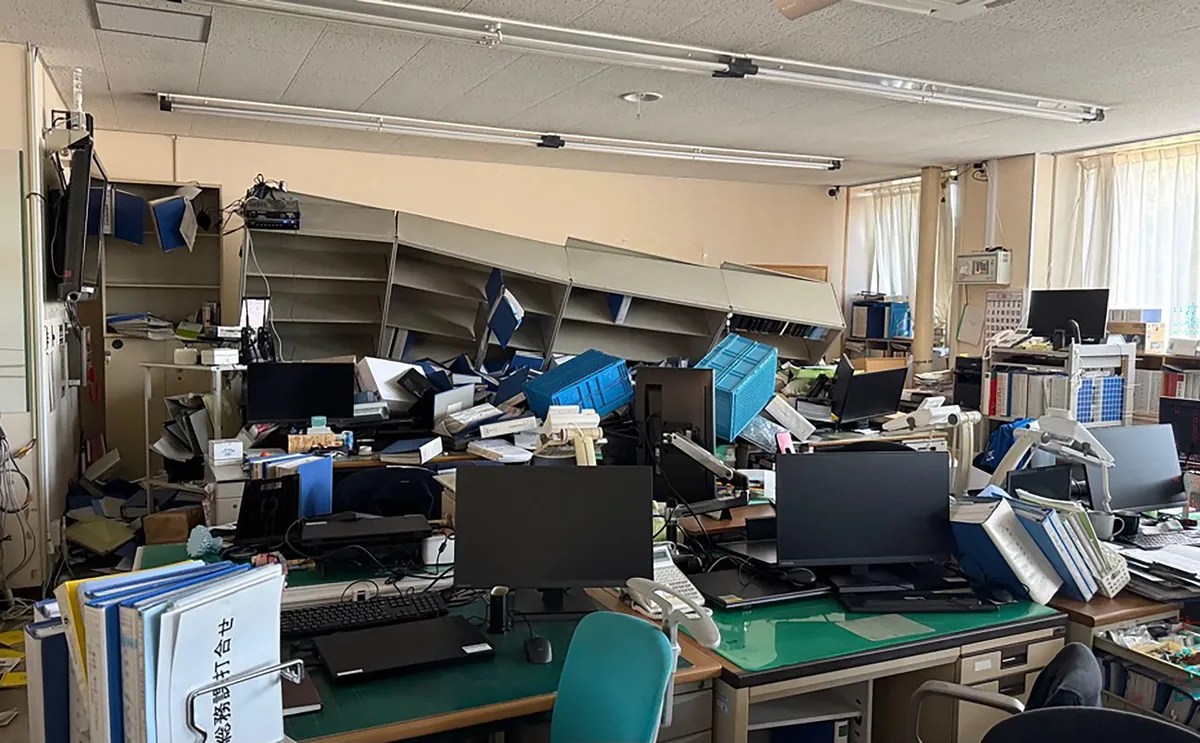
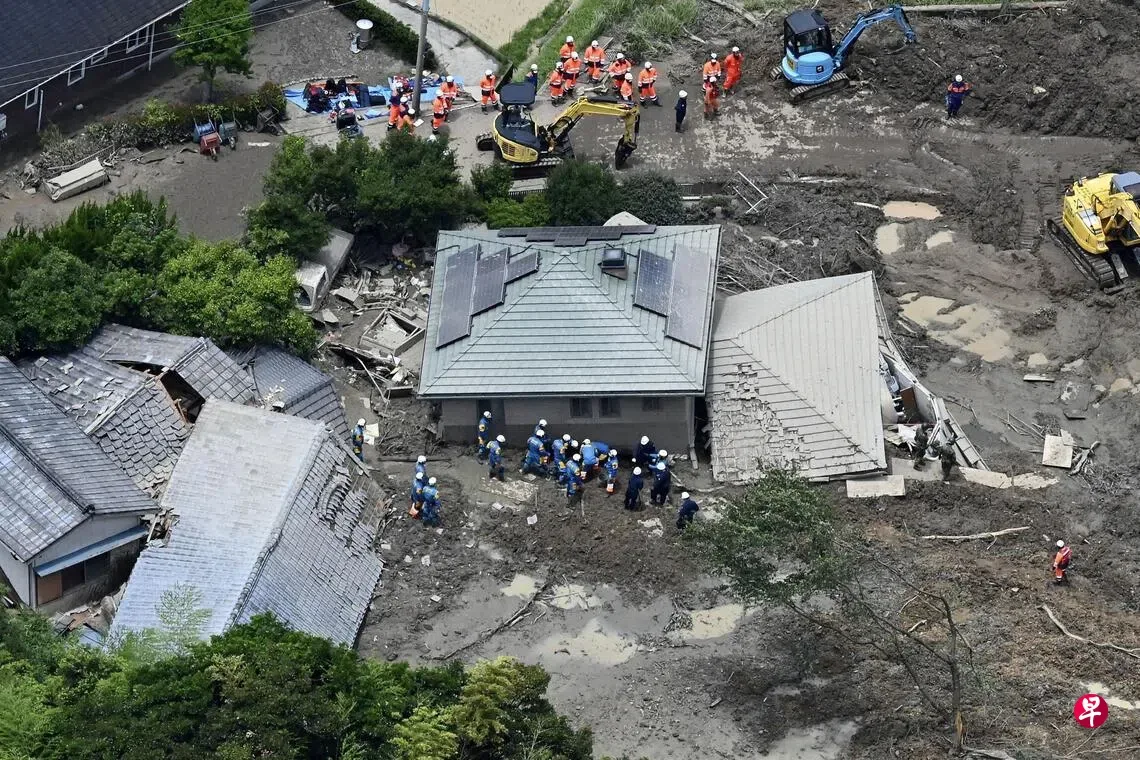
No fatalities or serious injuries were reported immediately, though at least 11 people sustained injuries and damage was noted to at least 114 buildings, including schools and welfare facilities [2, 4]. Damage included fallen photo frames, collapsed ceilings, a damaged indoor soccer field wall, scattered books, and train service disruptions [2, 3, 4].
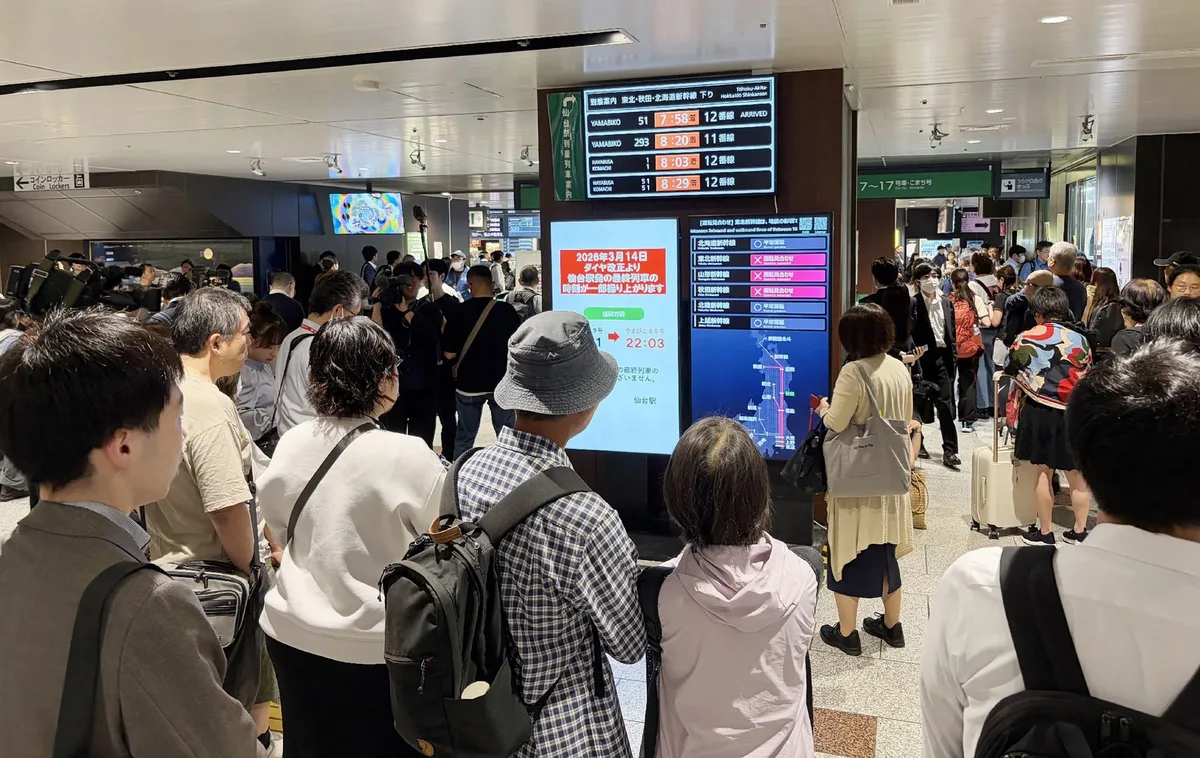
Train disruptions were significant, with several Shinkansen high-speed services, including routes from Tokyo to Shin-Aomori, temporarily suspended for safety inspections and resumed partially later the same day [2, 7, 9, 4, 5]. The East Japan Railway Company halted the Tohoku Shinkansen line as a precaution [2, 7, 9, 4]. Some power outages were reported along affected rail sections [2, 7, 9, 4, 5].
No abnormalities were found at nuclear power plants in the region, including Onagawa, Higashidori, Tomari, Fukushima, and Tokai facilities [2, 7, 9, 8, 4, 5].
Prime Minister Sanae Takaichi directed government agencies to cooperate closely with local authorities and urged residents to stay alert for aftershocks or strong earthquake risks. She stated, “I ask residents in areas that experienced strong shaking to remain alert for the possibility of additional earthquakes of similar intensity.” [2]. Top government spokesman Minoru Kihara said, “At this time, there is no information indicating any human casualties, but we will continue to monitor and assess the situation regarding damage.” [2]
The Japan Meteorological Agency warned that strong aftershocks measuring magnitude 6 or higher could occur within about a week following the main quake. A spokesperson said, “震后两到三天内,往往容易发生规模较大的地震,请民众提高警惕,” which means people should stay vigilant as large aftershocks are common two to three days after the quake [9, 4].
On June 26, Japan recorded additional earthquakes near Tokyo, including a magnitude 5.8 in Chiba prefecture and a 5.6 quake in Yamanashi prefecture near Mount Fuji. Both were felt in Tokyo but caused no major damage or tsunami warnings [8, 5].
The quake revived memories of the devastating 2011 magnitude 9.0 Tohoku earthquake and tsunami disaster [2, 4]. Affected areas include Iwate, Aomori (notably Hashikami and Hachinohe), Miyagi, and the broader Tohoku region [2, 7, 3, 4, 9].
Japanese authorities continue emergency inspections and monitoring. Train services partially resumed on June 25 after temporary halts for safety checks [2, 7, 9, 4]. The Japan Meteorological Agency's warning about possible strong aftershocks remains in effect through early July [9, 4].