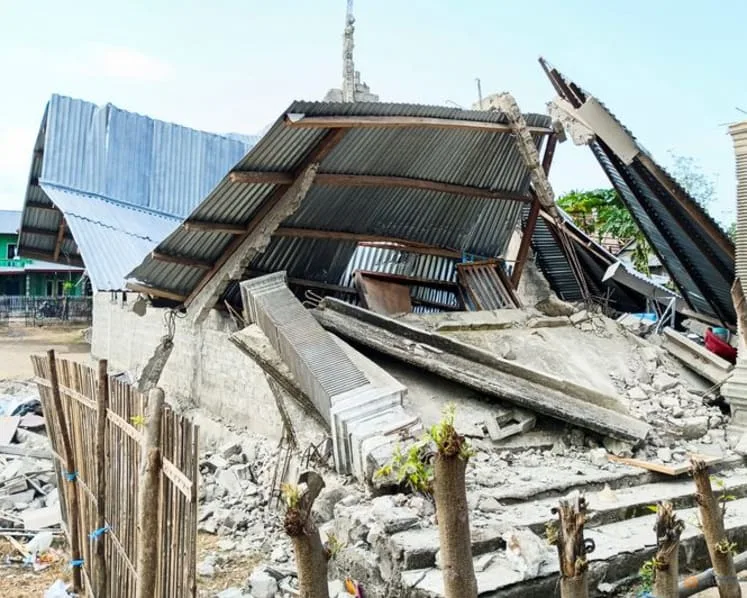
A powerful magnitude 7.7 earthquake struck off Flores Island, Indonesia, early on August 15, causing extensive damage to buildings and infrastructure across the region [1, 2, 3, 4, 5, 6, 7, 8, 9]. The quake's epicenter was about 30 kilometers from Mbay in Nagekeo district, occurring at a depth of roughly 10 to 15 kilometers [1, 4, 6, 8]. It struck around 4:58 to 5:58 a.m. local time, with reports varying slightly on the exact time [1, 4, 6, 8].
The seismic event triggered hundreds of aftershocks, with estimates ranging from 341 to nearly 1,000 [2, 3, 5, 6, 8, 9]. Hours later, a separate earthquake measuring between magnitude 6.1 and 6.9 hit northern Sumatra, with no casualties reported [2, 3].
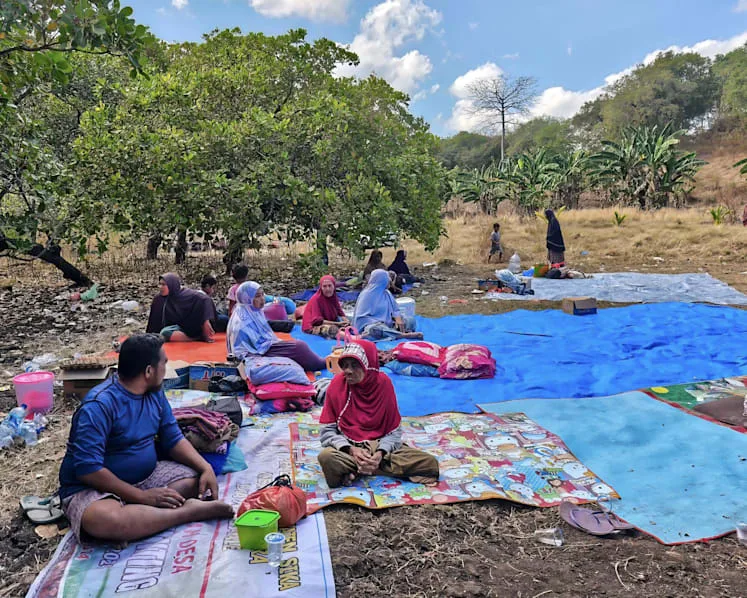
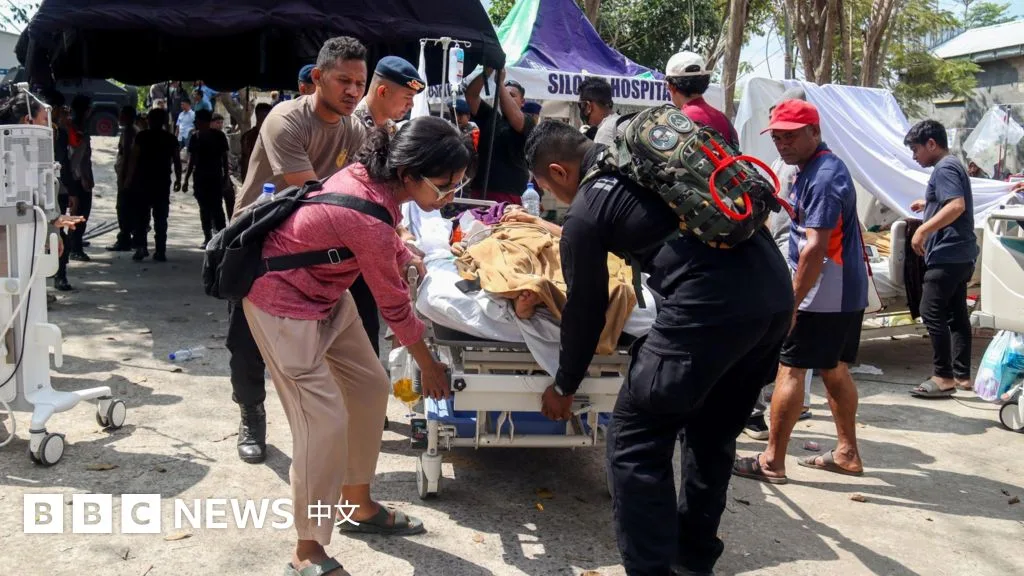
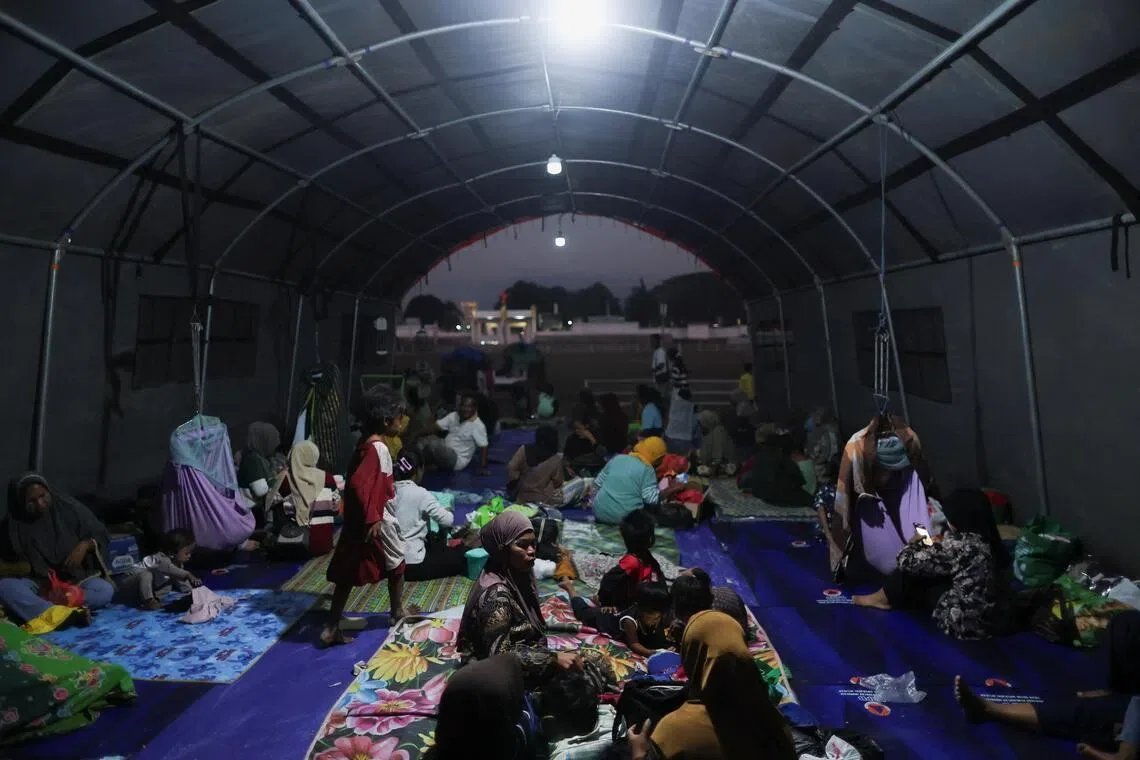
At least 53 people died in the Flores earthquake, while more than 100 were injured [2, 3, 5, 10, 6, 7, 9, 11]. Initial estimates put the death toll lower, at 47 to 48, but the number was later confirmed higher by multiple sources [1, 5, 6, 7]. The disaster displaced around 5,000 people immediately, with the total rising to approximately 12,800 by August 17 as survivors sought safety outdoors [2, 3, 5, 8, 9, 11].
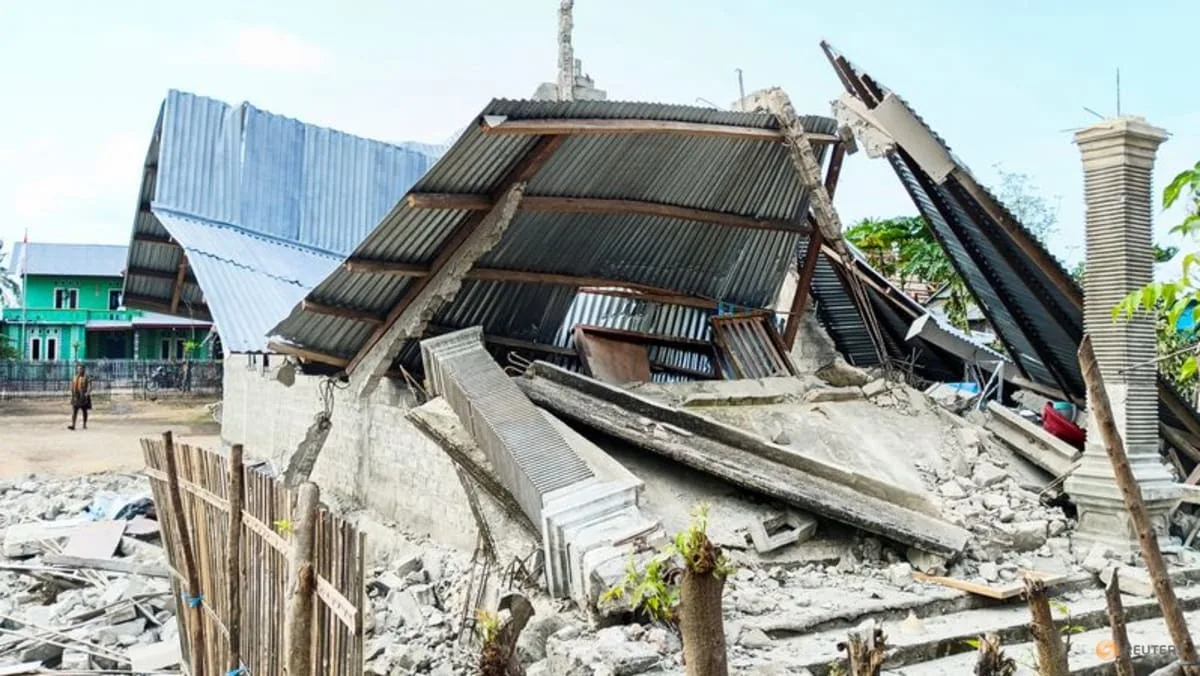
More than 914 houses suffered severe damage, with hundreds more sustaining minor damage. Numerous public facilities, including schools, health centers, government offices, ports, and airports, were also affected [1, 5, 6, 7, 8, 9]. The port building at Maumere partially collapsed, forcing hundreds of passengers to flee [1, 4]. Survivor Junaidin said, "Our houses are no longer liveable, because many have collapsed and are full of cracks, so we can't go inside anymore" [11].
Difficult terrain and landslides have cut off some villages, creating challenges for rescue efforts [1, 6]. Governor Melki Laka Lena stated the 14-day state of emergency declared by the East Nusa Tenggara provincial government from August 15 to 28 is meant "to accelerate the handling of the disaster's impact, while facilitating access, coordination and communication among all parties" [5, 8].
Thousands of evacuees await urgent aid including food, water, medicine, tents, blankets, camp beds, and generators. Resident Umri said, "We need food, drink, medicines and diapers for the children" [2, 5, 7, 9, 11]. The Indonesian Air Force and military have deployed helicopters, airplanes, naval vessels, and personnel to deliver aid to isolated communities [6, 8, 11].
A tsunami warning was issued after the quake but later lifted when no significant sea-level rise was detected [1, 6, 8]. The disaster has revived traumatic memories of a 1992 7.7-magnitude quake in the same region that caused about 2,500 deaths and a tsunami [5, 7, 11].
Prime Minister Lawrence Wong expressed solidarity, saying, "Our thoughts are with the people of Indonesia during this difficult time, and with the authorities and emergency personnel working tirelessly on relief and recovery efforts" [3].