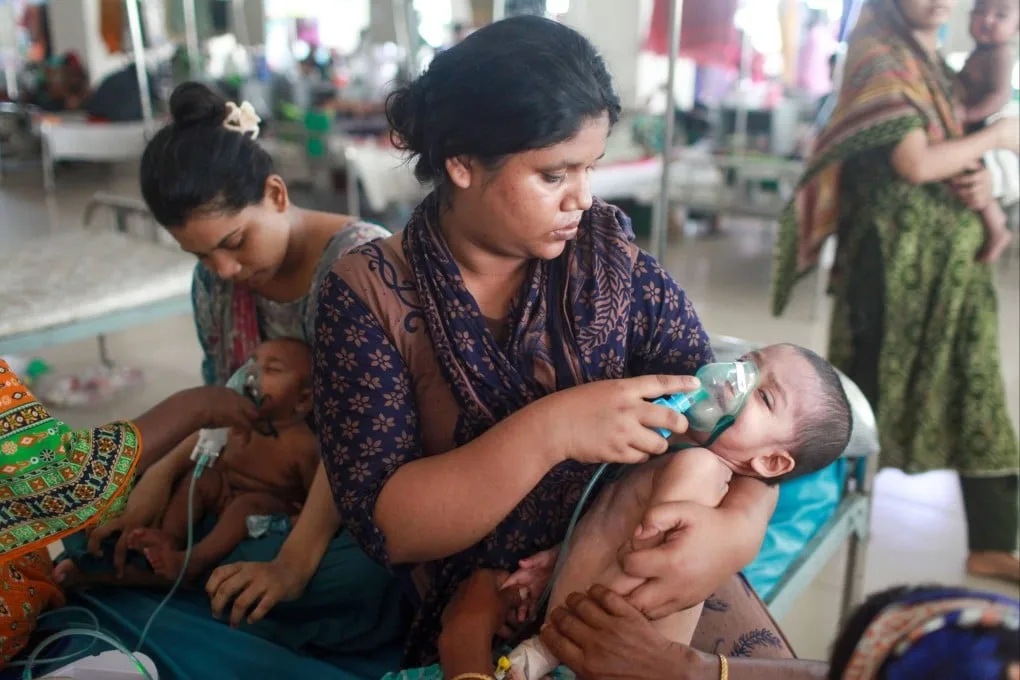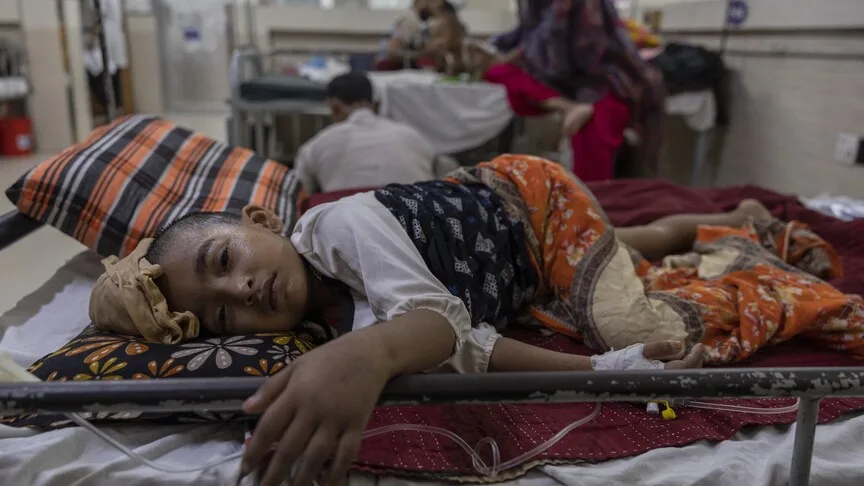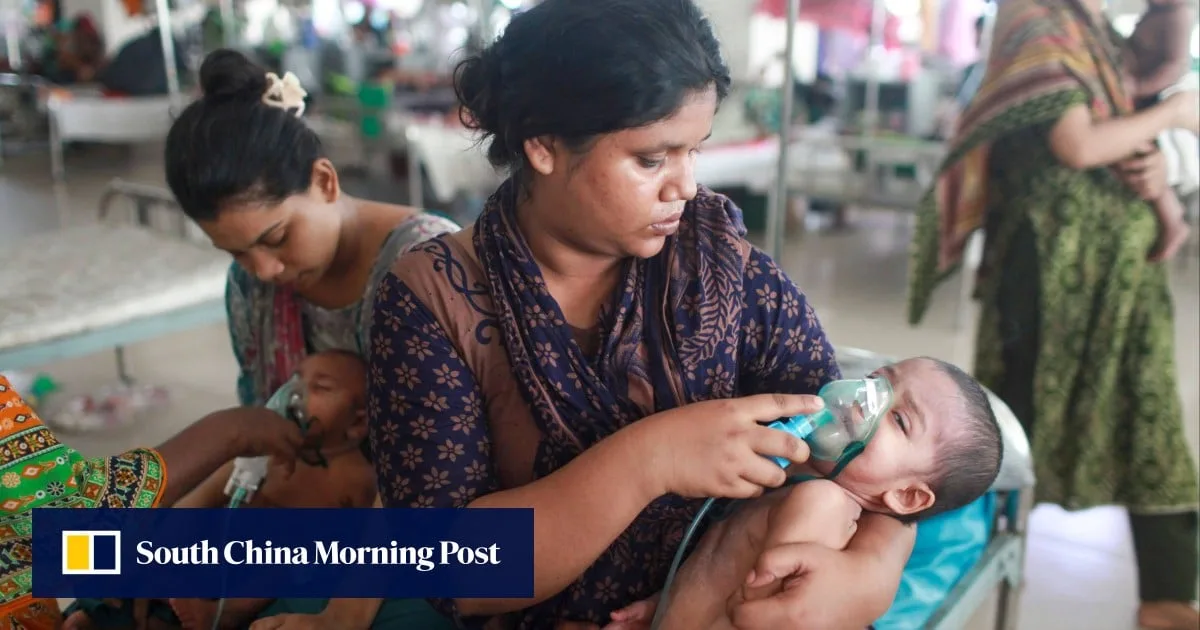
Since mid-March 2026, Bangladesh has seen a measles outbreak resulting in at least 601 deaths, according to official sources, with only 90 deaths medically confirmed as caused by measles so far [1]. The outbreak has led to over 83,700 suspected measles cases reported nationwide, though some sources put suspected cases at over 60,000 [2, 1].
The epidemic has disproportionately affected malnourished children and communities with limited access to health services [2, 1]. Measles can cause serious complications such as pneumonia, diarrhea, blindness, and death, a risk heightened in young children [2, 1]. Limited laboratory testing capacity has delayed case confirmations, with only 9,191 suspected cases confirmed by lab tests to date [1].
An emergency vaccination campaign has vaccinated more than 18.45 million children, surpassing the original goal of 18 million [1]. Yet significant gaps remain due to incomplete micro-planning and logistical challenges. Dr. Mushtaq Hussain noted the vaccination "was an emergency" operation with "a lack of proper design to reach every corner of the country," emphasizing the need for "micro-planning... to reach a coverage of over 95% to contain the measles infection" [1].
Dhaka hospitals have reported higher casualties as patients seek advanced treatment in the capital because of the centralized healthcare system, Dr. Hussain said [1]. The outbreak peaked with seven new deaths and over 1,250 suspected infections reported within 24 hours on June 3, raising the total suspected infections to 83,763 [1].
Attempts to contain the outbreak have involved support from local authorities and the United Nations, but poor healthcare access and malnutrition complicate response efforts [2, 1]. Bangladesh’s population of 175 million leaves a large vulnerable pool despite vaccination drives [1].
Health officials continue to monitor case numbers and expand immunization outreach to vulnerable communities to reduce transmission and fatalities [2, 1].