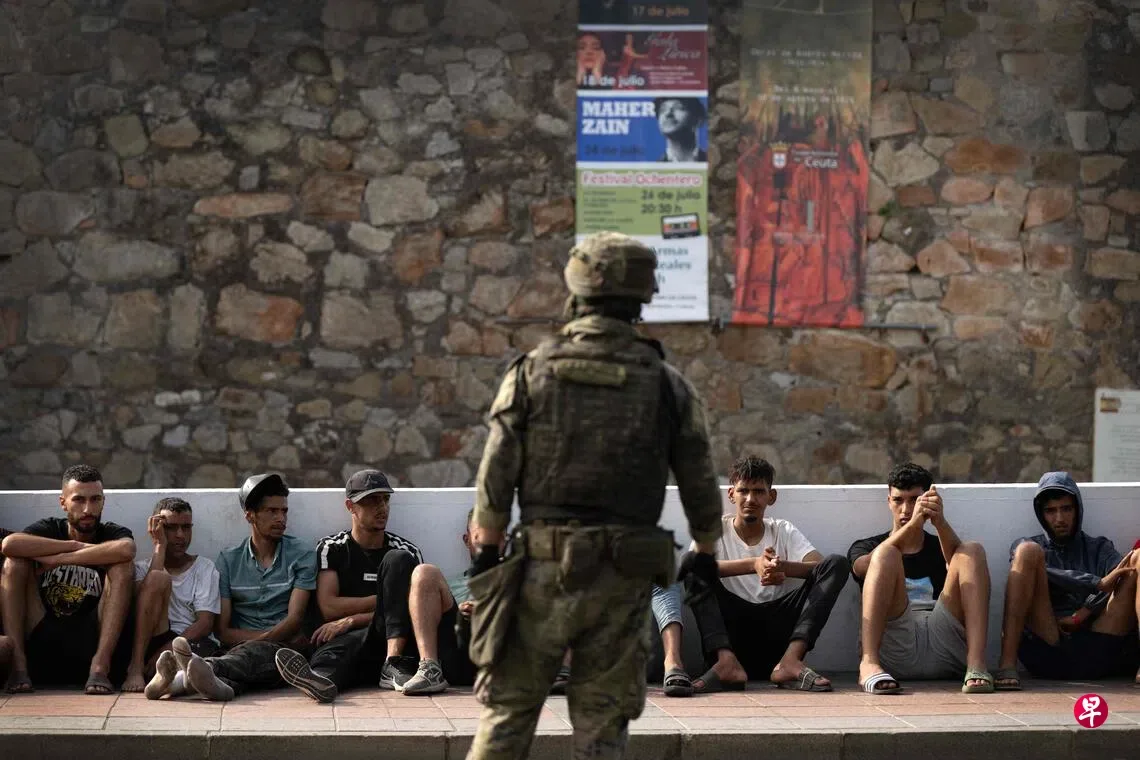
On July 30, some 72,000 mainly Moroccan migrants entered the Spanish enclave of Ceuta over a few days, overwhelming the city’s 80,000 residents and local infrastructure [1, 2, 3, 4].
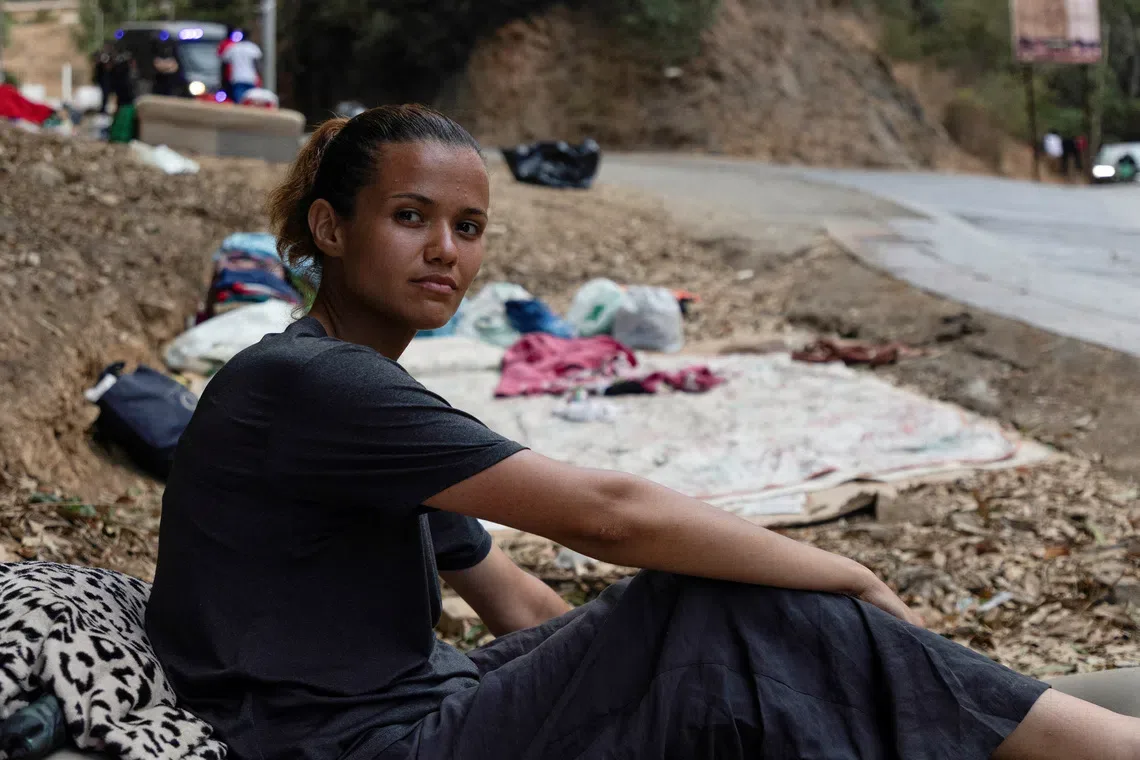
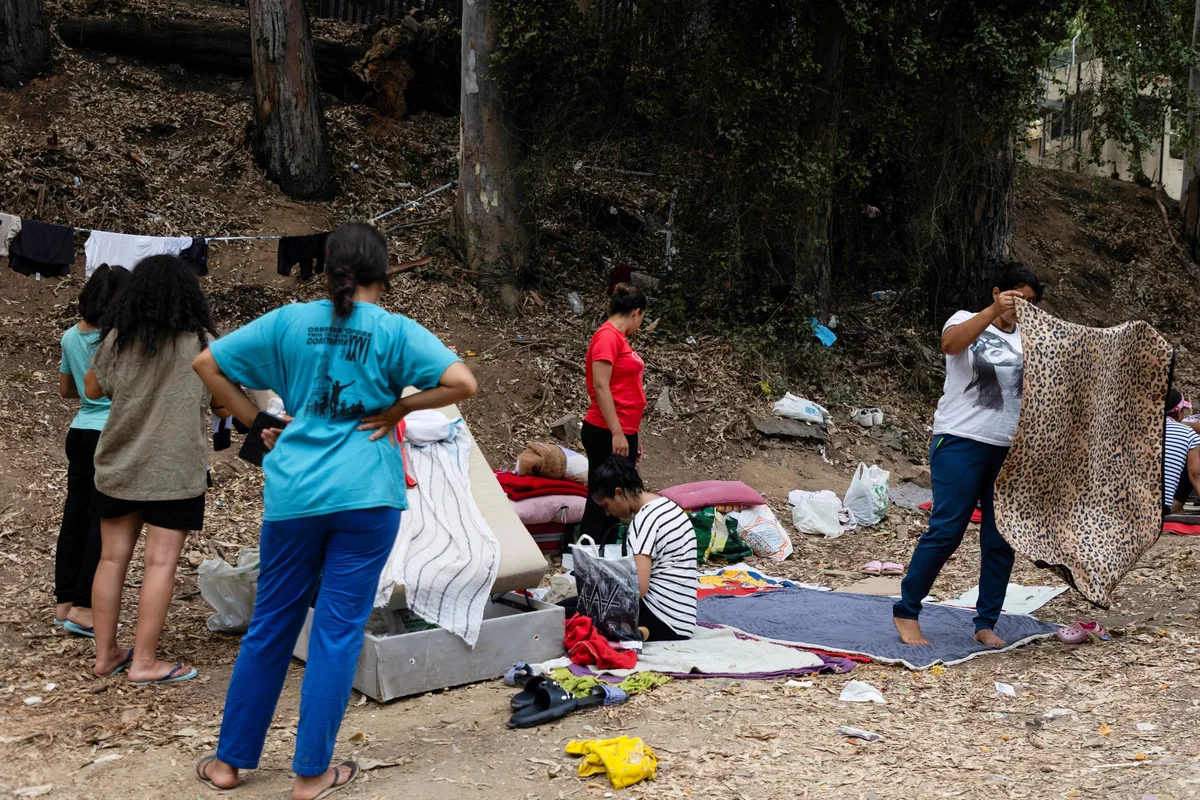
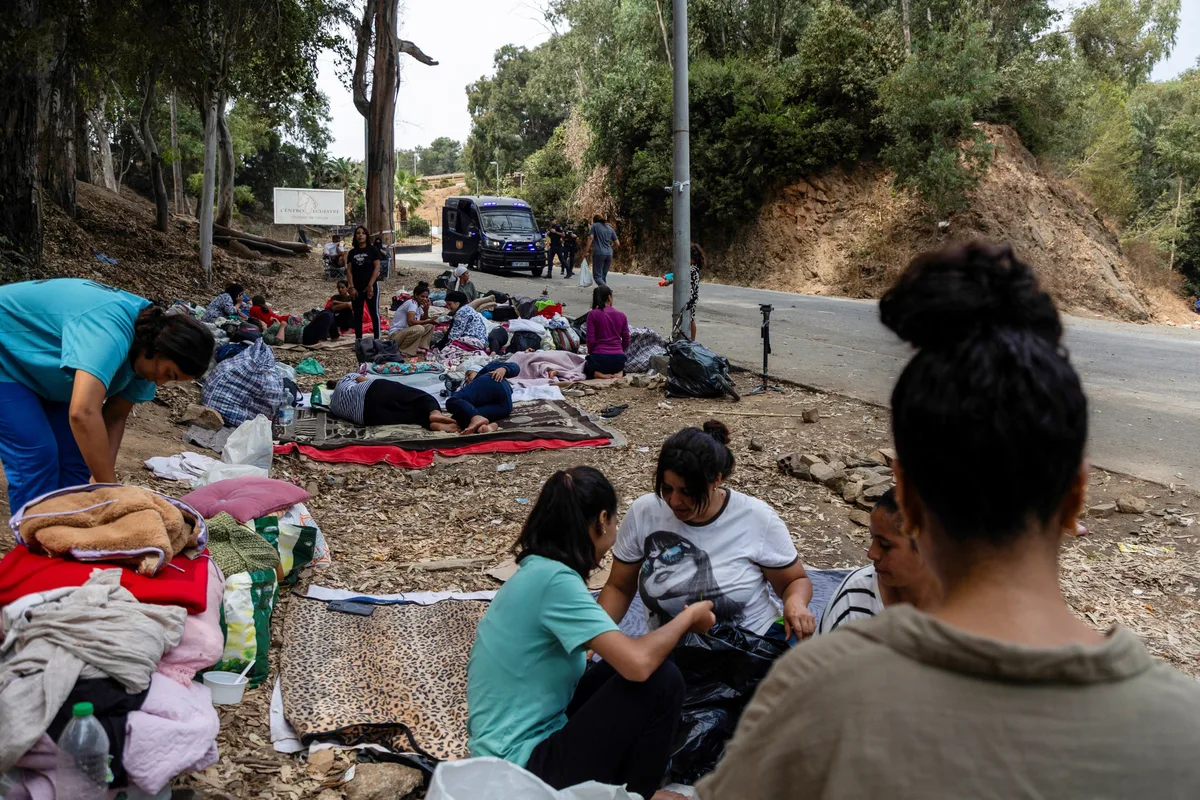
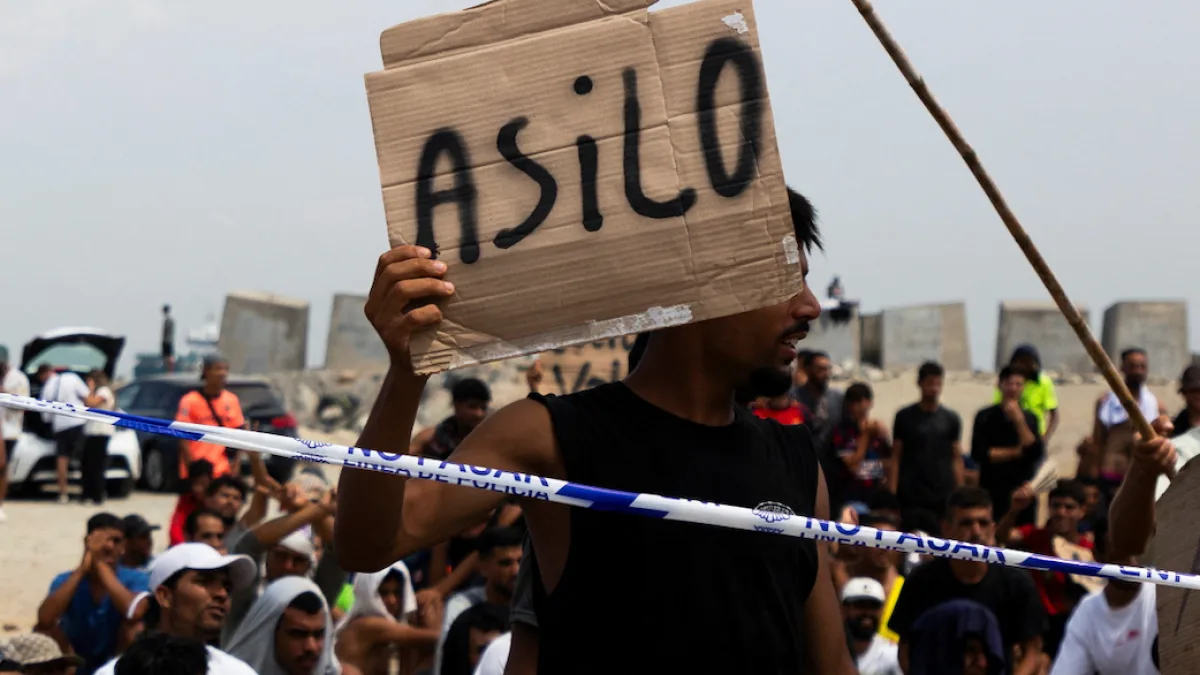
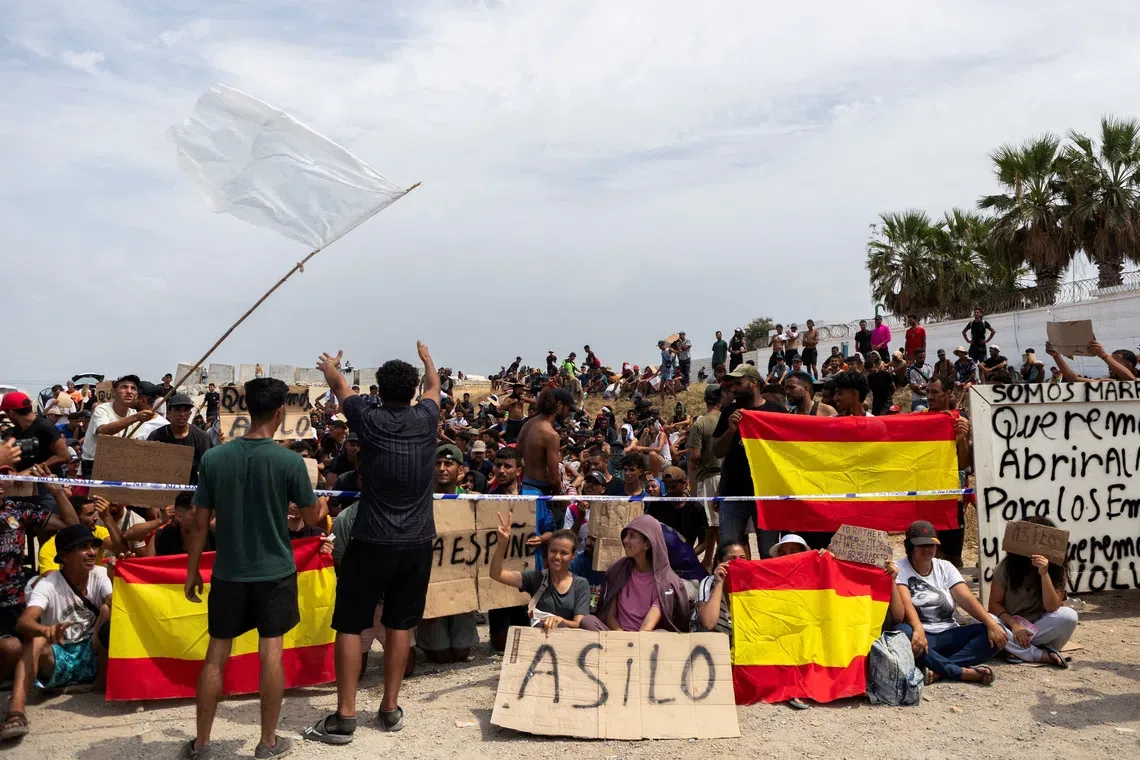
By mid-August, between 5,000 and 9,000 migrants remained stranded in Ceuta, many living in makeshift camps on beaches or urban outskirts in precarious conditions [2, 5, 6, 7, 8, 9]. Among them were numerous women and children demanding asylum and protesting against forced returns to Morocco [2, 9]. Ayoub Elarroud described their situation: "We're sleeping next to the sea, with cold and bad smells. We're suffering a lot." [2]
Health services in the enclave struggled with overcrowding and outbreaks of infectious diseases such as diarrhoea and scabies [2]. Migrant women reported repeated sexual harassment and assaults near overcrowded reception centres. At least 15 suspected rape cases had been reported to police since the end of July, many involving minors, with authorities believing the real numbers are higher [5, 6, 7, 8]. Wafae Atid said, "A lot of guys are trying to attack the girls every night, sometimes just when you go to the toilet. They follow you." [5]
Unaccompanied minors, estimated at 3,000 to 5,000, lived on Ceuta’s streets due to lack of shelter [6, 7]. A 14-year-old girl named Amina said, "What's worst is that we don't have toilets. We have to go somewhere in the bushes, but I don't dare go alone." [6] Emergency doctor Susana Ascaso recounted a recent case: "Just yesterday, another 12-year-old came to the emergency room. She said that other migrants had harassed her and touched her inappropriately. She arrived here completely terrified and in tears." [6]
The Moroccan government increased border security after the surge, warning that illegal crossings could bring legal consequences [1, 10, 3, 4]. On August 15, Moroccan authorities arrested 294 migrants attempting illicit entry into Ceuta, including 46 Moroccan nationals and mostly sub-Saharan Africans [1, 10, 3, 11, 4]. An anonymous official described the arrests as "routine operations aimed at preventing migrants from illegally reaching Ceuta." [3]
Heightened border controls followed misinformation calls on social media for new mass crossings on August 15 [1, 10, 3, 4]. Meanwhile, hundreds of migrants staged protests in Ceuta on August 16 demanding asylum and opposing deportations [2, 9].
The migrants cited poor economic conditions and insecurity in home countries such as Sudan as factors driving them toward Ceuta and Europe [3, 4]. Around 2,168 migrant children were registered in Ceuta, along with 500 adult asylum applications filed as of last week [5, 8].
Authorities continue managing the migrant situation amid scarce resources, ongoing protests, and mounting concerns about safety and health. The next milestone is monitoring border security and migrant arrivals in the coming weeks, as tensions remain high.