Only about 24-25% of Americans believe the war with Iran was worth its costs, while roughly half or more say it was not worth it, according to recent polling conducted in June 2026 [1, 2, 3, 4]. About 78% want the war to end as soon as possible [5, 6, 7, 8].
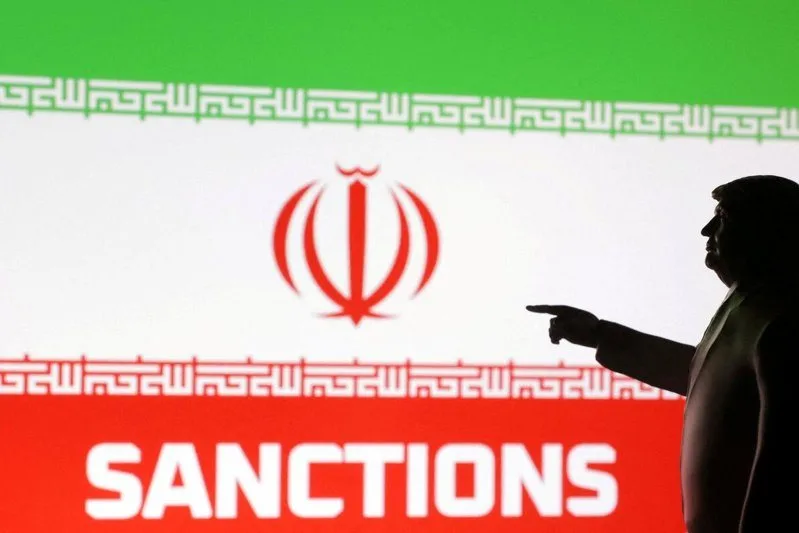
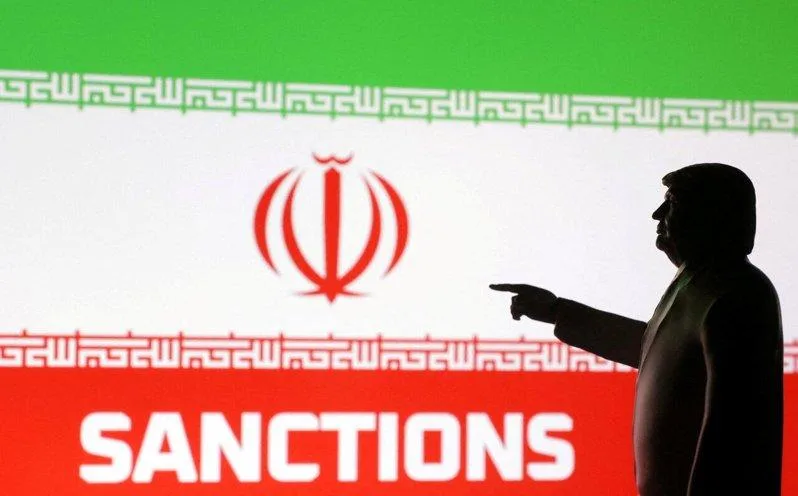
The Iran war began on February 28 when US and Israeli strikes initiated the conflict, followed by Iranian retaliatory strikes that disrupted about one-fifth of global oil trade [1, 2, 4, 8]. On June 17, President Donald Trump and Iranian President Masoud Pezeshkian signed a preliminary deal reopening the Strait of Hormuz without tolls for 60 days and easing some economic sanctions [1, 2, 3, 4, 9]. However, just days later Iran threatened to close the strait again citing Israeli attacks [10, 3].
Despite the deal, a majority of Americans—about 63%—doubt it will produce lasting peace, while 37% believe it benefits Iran more than the US [1, 2, 3, 4, 5, 6, 7]. Only 23% say the US is stronger relative to Iran after the war; 35% say it is weaker [1, 2, 3, 4]. Trump claims the agreement represents a victory, tweeting that Iran’s military is "DONE", their economy is "BROKEN", and the U.S. economy remains strong [10]. He also warned the US could seize the Strait of Hormuz and impose a 20% transit fee on oil shipments if Iran does not comply [10, 8].
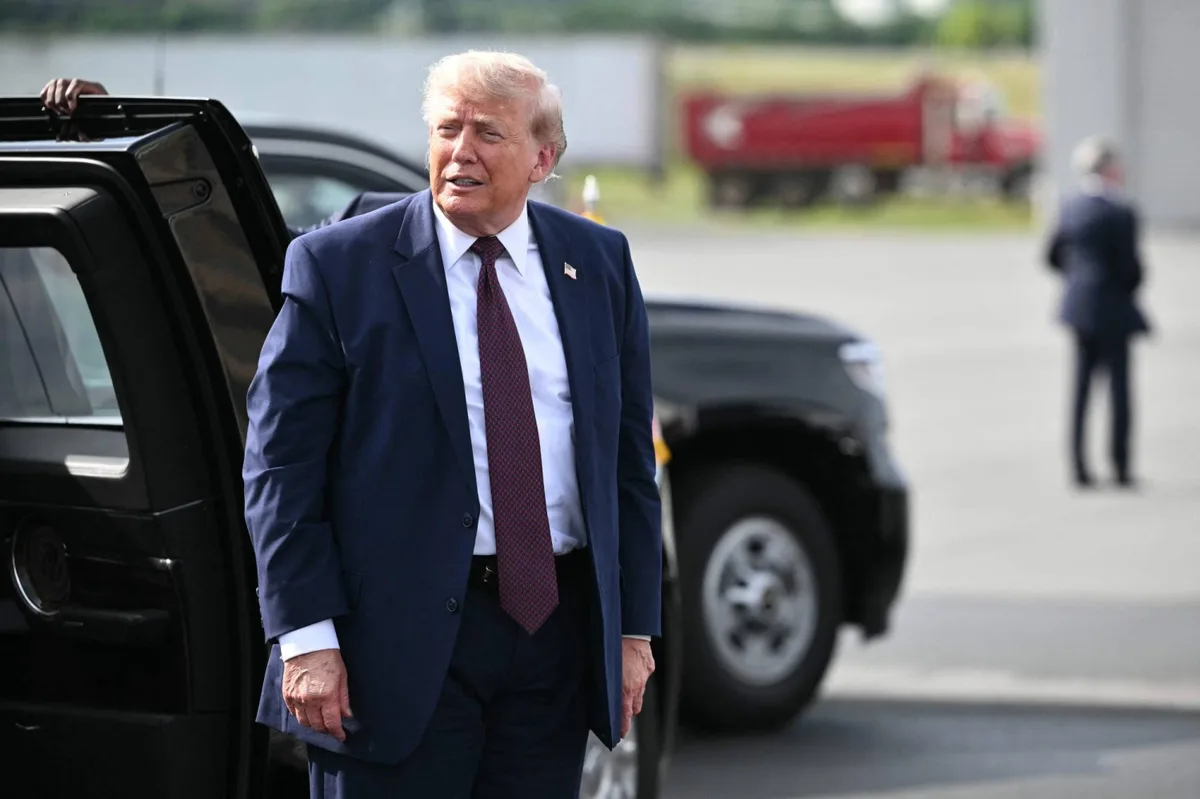
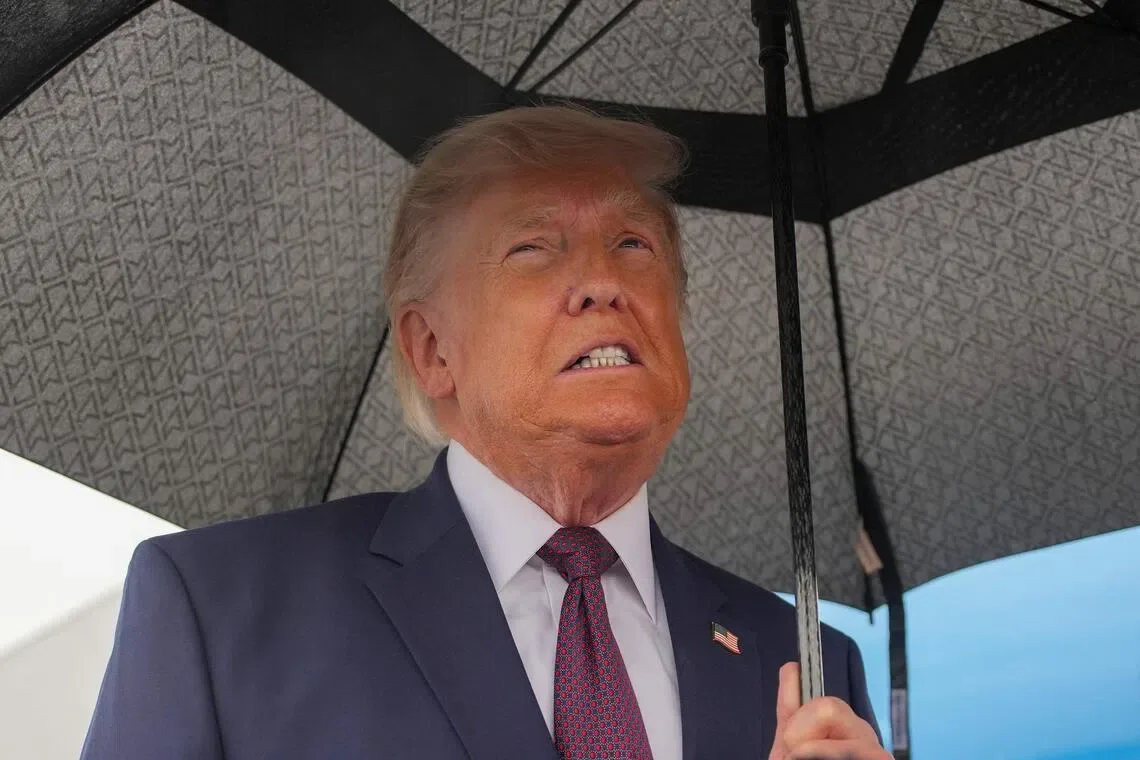
Trump’s approval rating has plunged to around 34%, the lowest point in his second term, amid public disapproval of his handling of the Iran war and related issues such as inflation and immigration controversies [1, 2, 3, 4]. About 65% of Americans disapprove of his policies on Iran, though most Republicans still support him despite signs of intraparty division [11, 9, 12]. As Republican standing weakens, concerns grow over their performance in the November midterm elections [1, 4, 9, 12].
Polling conducted between June 11-22 by organizations including AP-NORC, CBS/YouGov, Reuters, and Ipsos repeatedly showed low support for the Iran war and Trump’s policies, as well as widespread calls for peace and a swift end to hostilities [11, 5, 3, 6, 7, 9, 12, 8].
Trump and Iran have pending second phase talks on nuclear issues, though the current agreement does not address Iran’s missile program [10, 3]. The initial 60-day reopening of the Strait of Hormuz remains under threat given recent Iranian warnings. Efforts continue to negotiate a more durable peace settlement.