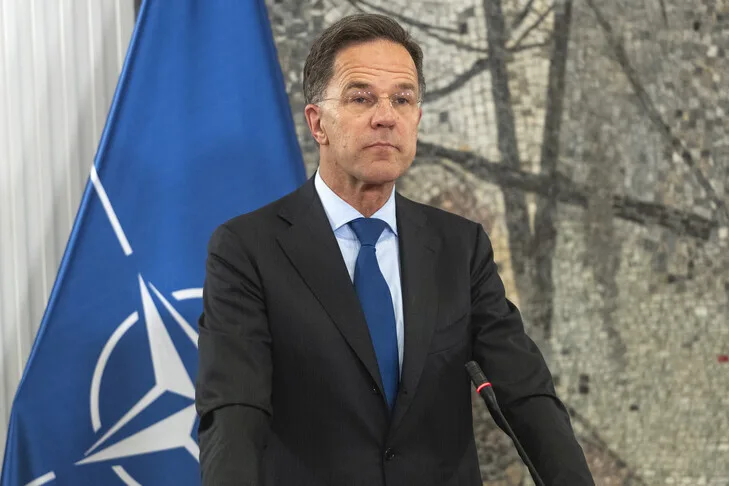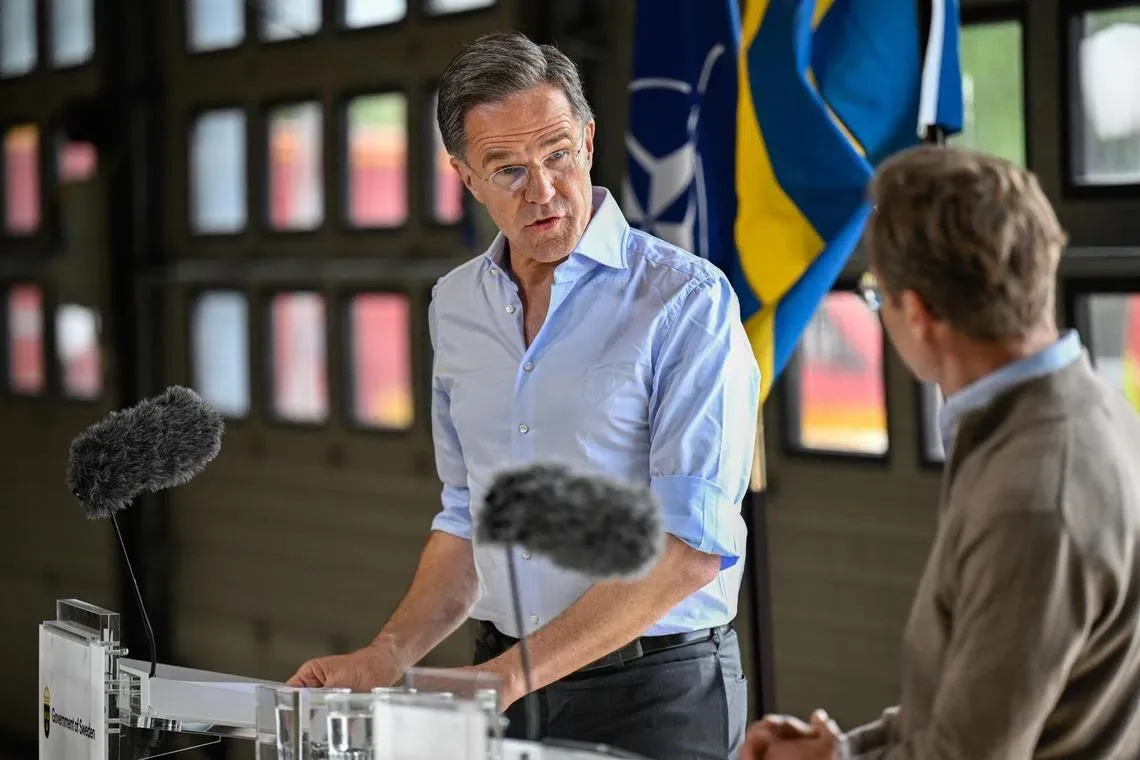
NATO Secretary General Mark Rutte publicly warned on May 21 that many NATO members are not contributing sufficient financial and military aid to support Ukraine as it defends against Russia’s full-scale invasion [1, 2, 3]. He called attention to an ongoing imbalance in burden-sharing among the alliance, stressing the need for all members to participate more equally in sustaining Ukraine’s defense capabilities [1, 2, 3].
Rutte identified only a limited group of countries providing significant support, naming Sweden, Canada, Germany, the Netherlands, Denmark, and Norway as examples. He said, "There is a limited amount of countries, including Sweden which is really punching above its weight when it comes to the support for Ukraine, and other countries like Canada and Germany, the Netherlands, Denmark and Norway and also a couple of others. But there are also many not spending enough when it comes to the support for Ukraine" [1].
To address the shortfall, Rutte proposed that NATO allies dedicate 0.25% of their GDP toward helping Ukraine maintain its defense. However, he acknowledged the proposal lacks unanimous support, stating, "The proposal will not get unanimity, so it will not work. But it has at least started the debate between allies" [1]. He emphasized the shared responsibility noting, "If we all are saying that Ukraine has to make sure that it stays in the fight as strong as possible, and bring this fight to a peace, then of course we all have to chip in an equal manner" [1].
Rutte also stressed NATO’s absolute commitment to collective defense, warning that "any attack on NATO territory will be met with a devastating response" [2]. He highlighted that rising defense spending by European allies and Canada is helping reduce overreliance on the US for NATO’s defense capabilities, declaring, "It is necessary because in the end we cannot be over reliant and keep on having the over reliance on one ally is simply not healthy" [2].
NATO is actively coordinating member aid plans in an effort to reach consensus ahead of an upcoming summit, aiming to improve the alliance’s united support for Ukraine [3]. The ongoing war, Rutte explained, requires sustained and increased financial and military aid to ensure Ukraine can continue to defend itself [3].