Nauru has officially changed its name to the Republic of Naoero, restoring the indigenous name originally mispronounced by European colonizers as "Nauru" [1, 2, 3, 4, 5]. The constitutional amendment to enact the name change was passed by Nauru’s parliament in May 2026, and formally certified by Speaker Marcus Stephen on May 13 [1, 2, 3, 4, 5].
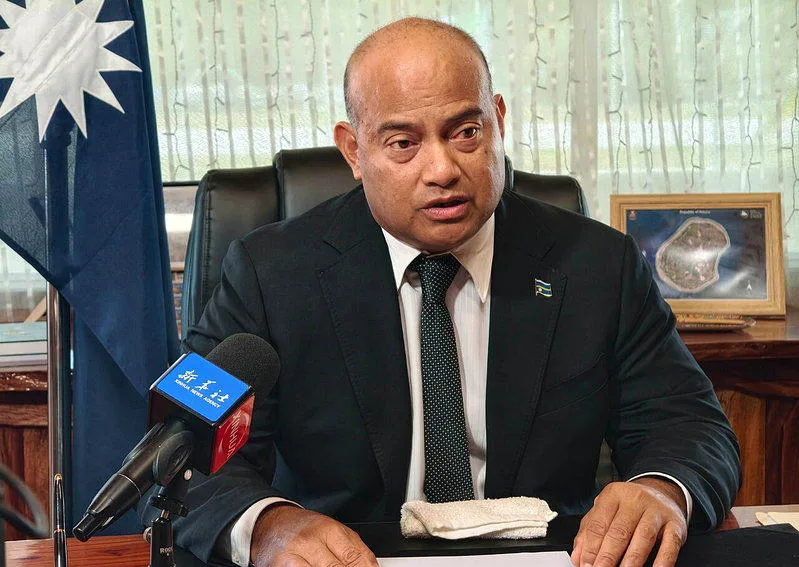
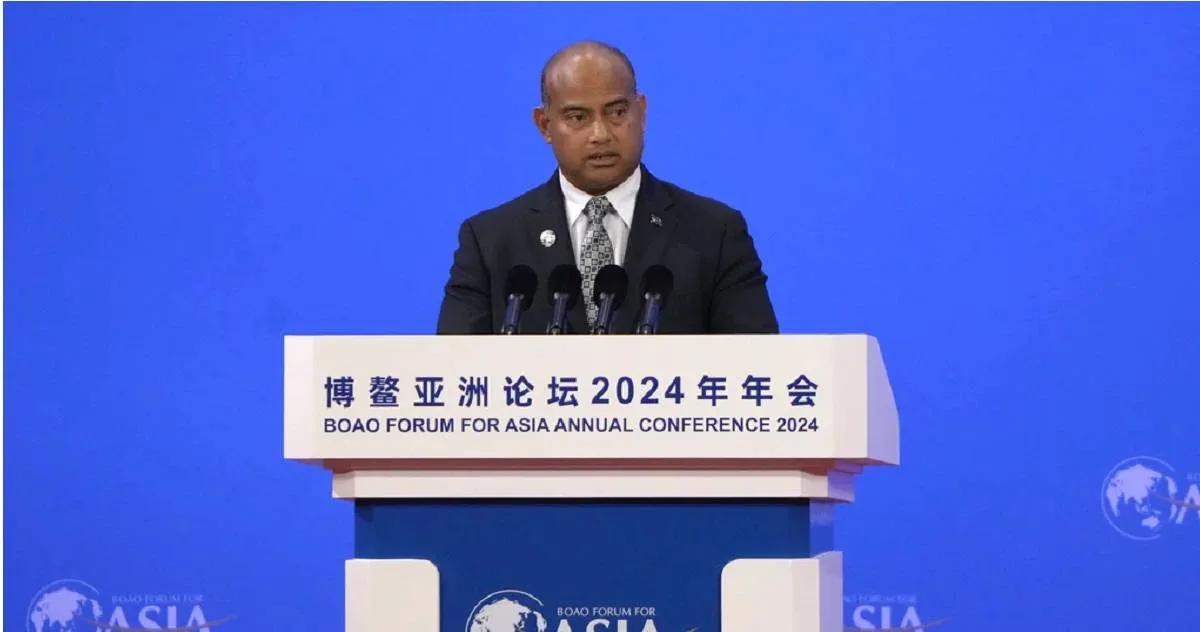
President David Adeang said the change reflects a strengthening of national identity and cultural heritage rather than politics. He emphasized it is about "identity, cultural inheritance, preserving the legacy of our ancestors, and creating a stronger future for the next generation" [1]. Adeang described Naoero as "the beginning of renewed national pride, and a new chapter founded on unity, responsibility, patriotism, better health, education, and sustainable development" [2].
The government initially planned a nationwide referendum on the name change but canceled it after careful consideration. President Adeang explained, "Naoero is not a new name awaiting acceptance by the people. It is already the name of the people, on the national emblem, used in the community, and constitutionally recognized" [1, 5].
The country's short form will now be "Naoero," with citizens called "dei-Naoero" [1, 2, 3, 4, 5]. The indigenous language, also called dorerin Naoero, remains in community use despite UNESCO classifying it as severely endangered. A 2025 law mandates including the Nauruan language in school curricula in the future to help preserve it [5].
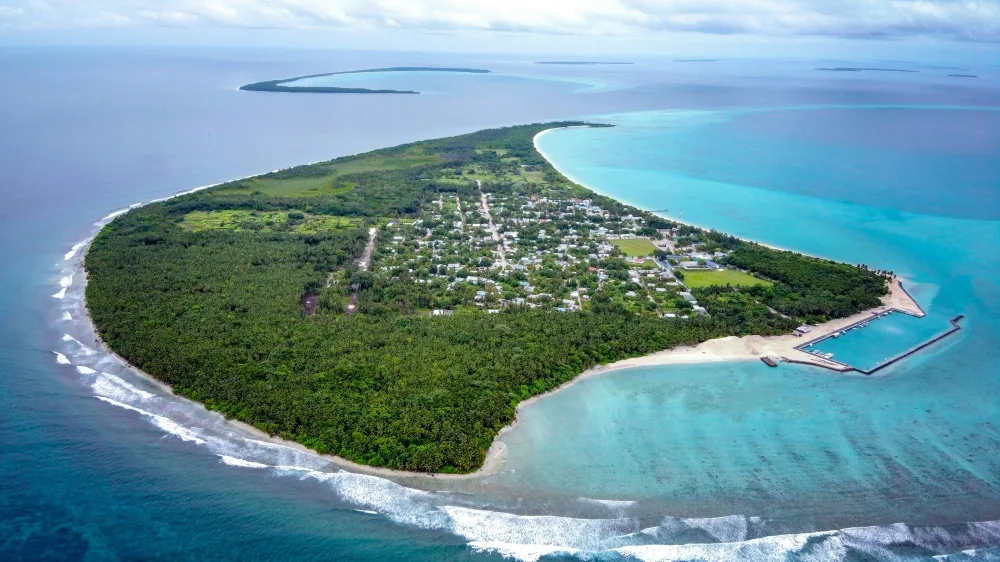
Nauru is the third smallest country in the world after Vatican City and Monaco, with a population of about 12,000 [1, 3, 4, 5]. The government has formally notified international organizations and foreign governments and begun transition procedures to reflect the new name [1, 2, 3, 4, 5].
The restoration of the name Naoero marks a constitutional and cultural milestone for the Pacific island nation.