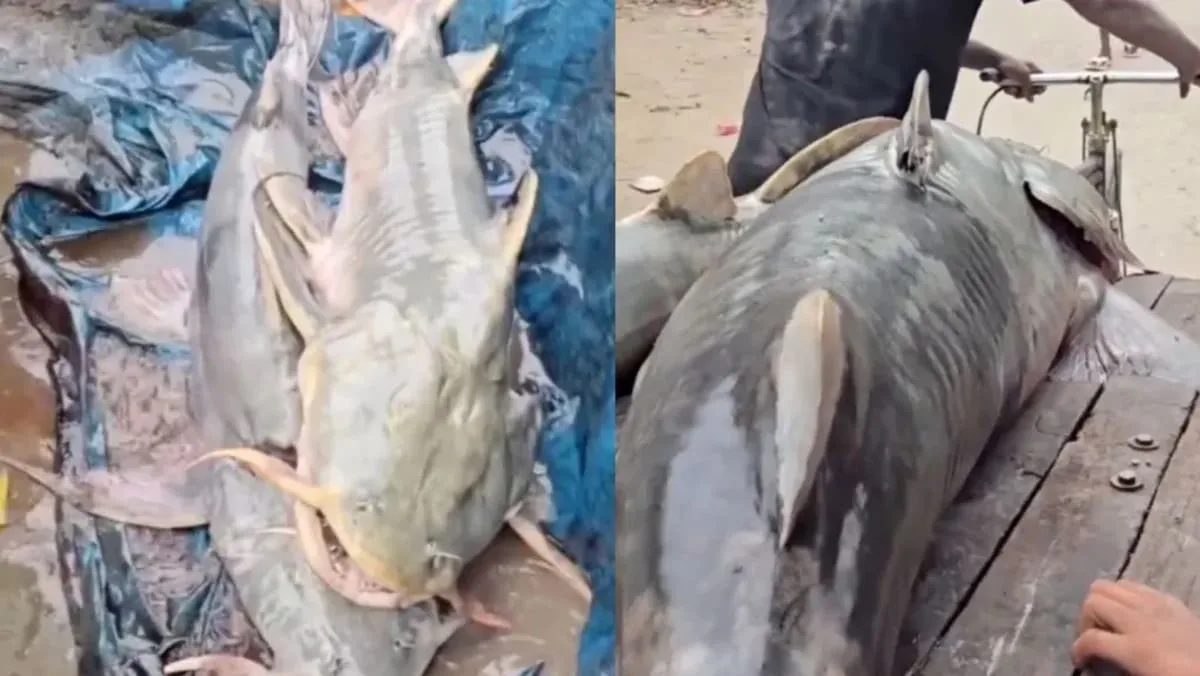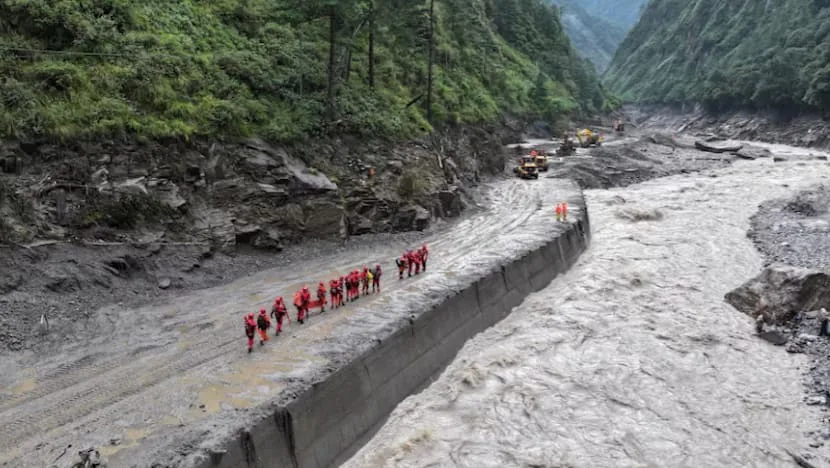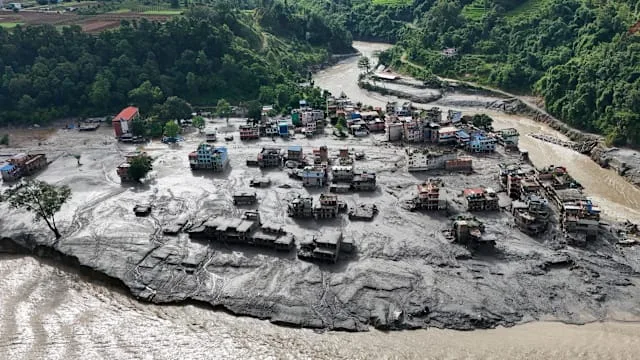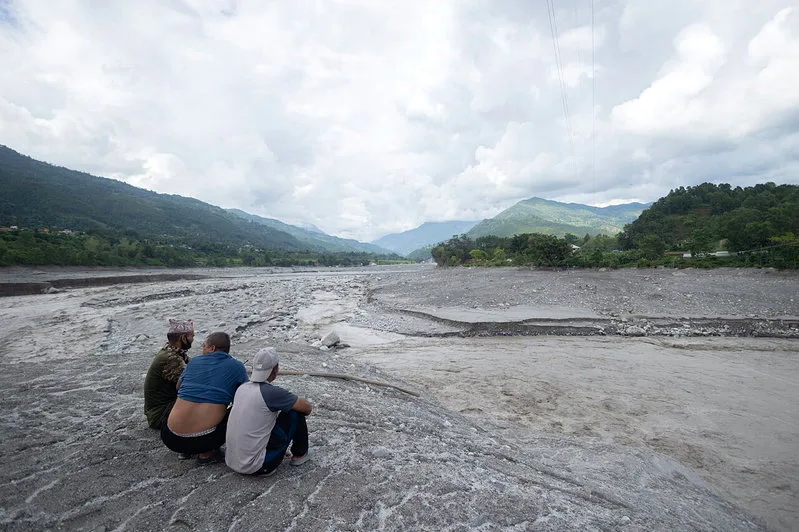
Severe floods and landslides struck Nepal’s Tibet border region on August 26, 2026, sending large volumes of water and fish downstream through the Gandak River into Bihar state, India [1, 2, 3, 4]. The floodwaters displaced various fish species, including some large and unusually looking types not commonly found in Bihar [2, 3].
Residents of Bihar caught and ate these unknown fish species swept in by floodwaters [5, 6, 7, 8, 2, 3, 4]. Following consumption, some people developed symptoms including vomiting, diarrhea, abdominal pain, dizziness, and difficulty breathing [5, 6, 7, 8, 2, 3, 4].
Local authorities in Bihar’s Department of Dairy, Animal Husbandry and Fisheries Resources swiftly advised against eating any fish caught from floodwaters until the situation stabilizes. They warned the fish might have contacted polluted floodwater containing sewage, dead animals, and decaying matter, which could introduce bacterial, viral, or fungal contamination harmful to human health [5, 6, 7, 8, 3, 4]. The department stated, “These fish may have long contact with sewage, animal corpses, and decaying material. Consuming them directly poses a serious health threat” [5]. They urged strict avoidance of such fish until natural contaminants recede [4].
Officials also urged residents to report sightings of strange or unfamiliar fish species to fisheries or local authorities to better assess potential risks [5, 7, 8, 3, 4]. Although rumors circulated online that some fish might have contacted human corpses, authorities say these reports remain unconfirmed and emphasize contamination from polluted waters as the main concern [2].
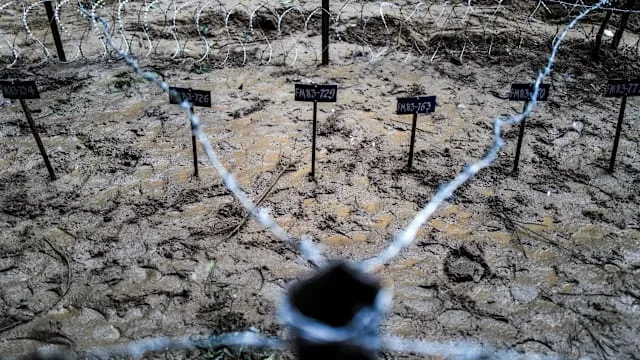
The floods have caused massive casualties in Nepal with over 987 deaths and around 4,000 missing persons as of early September [1, 2, 3, 4]. In Bihar, the government responded rapidly by issuing warnings from August 31 to September 2 after illness cases emerged among those who ate the displaced fish [5, 6, 7, 8, 3, 4].
Residents experiencing symptoms after consuming fish from floodwaters are urged to seek immediate medical attention [5, 6, 7, 8, 3, 4]. Authorities continue to monitor the situation and collect reports about unfamiliar fish species in affected areas.