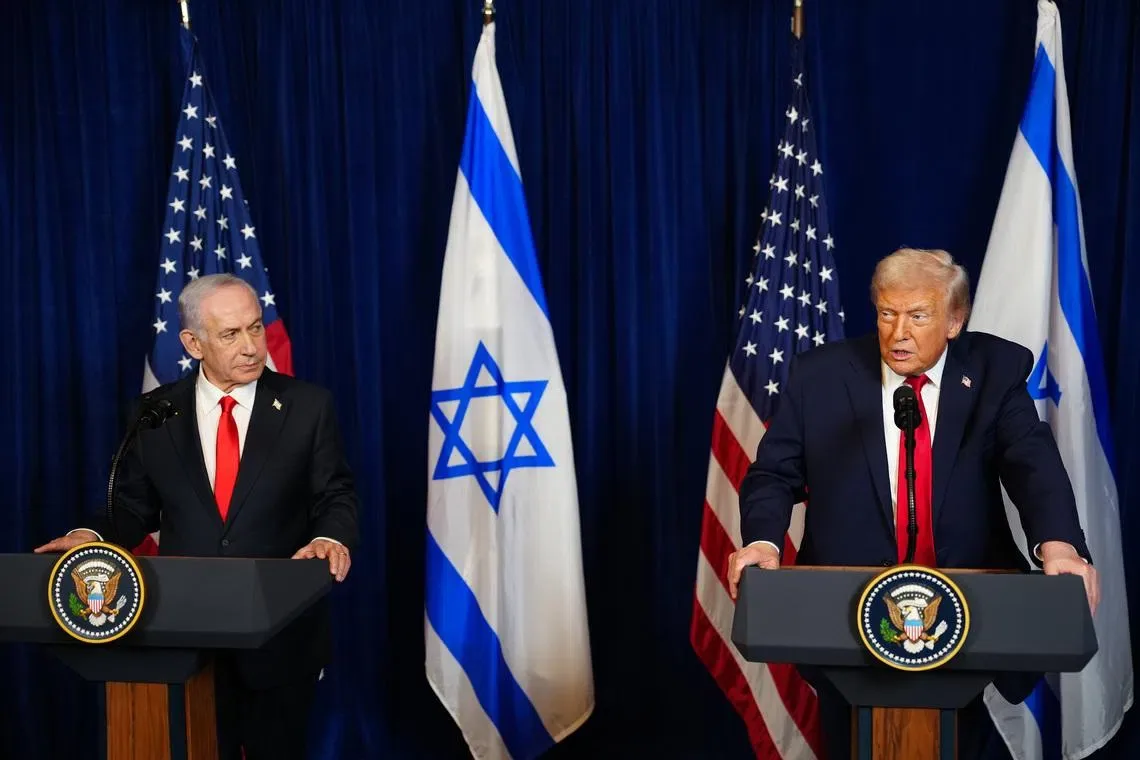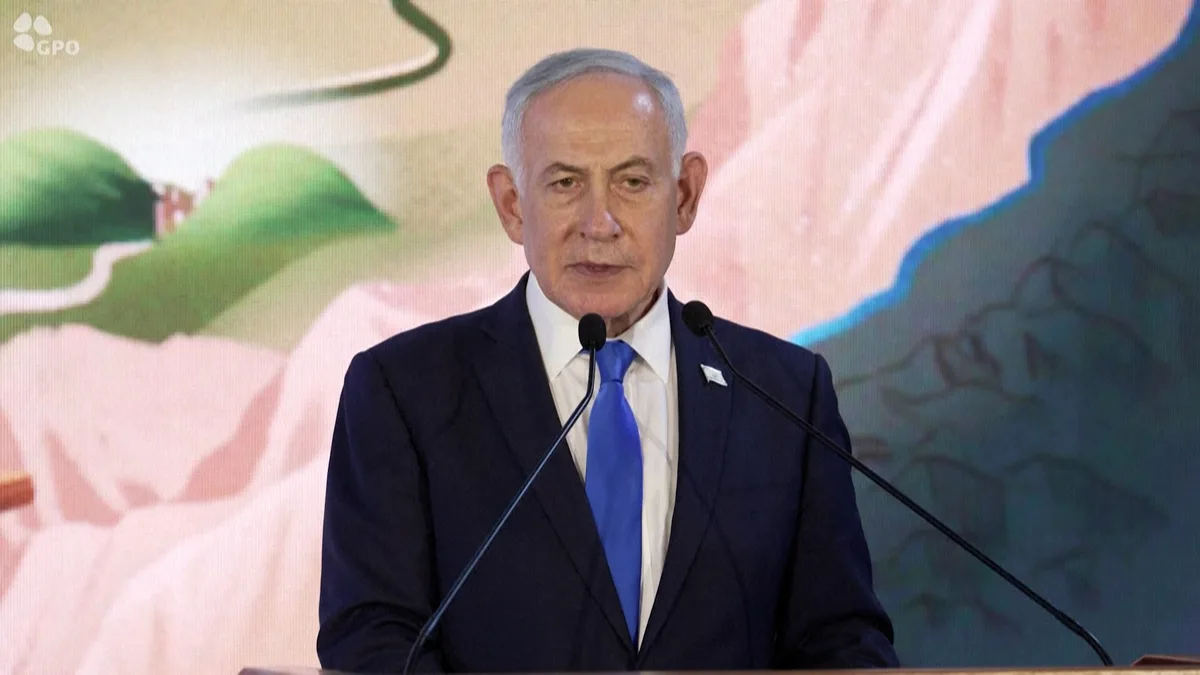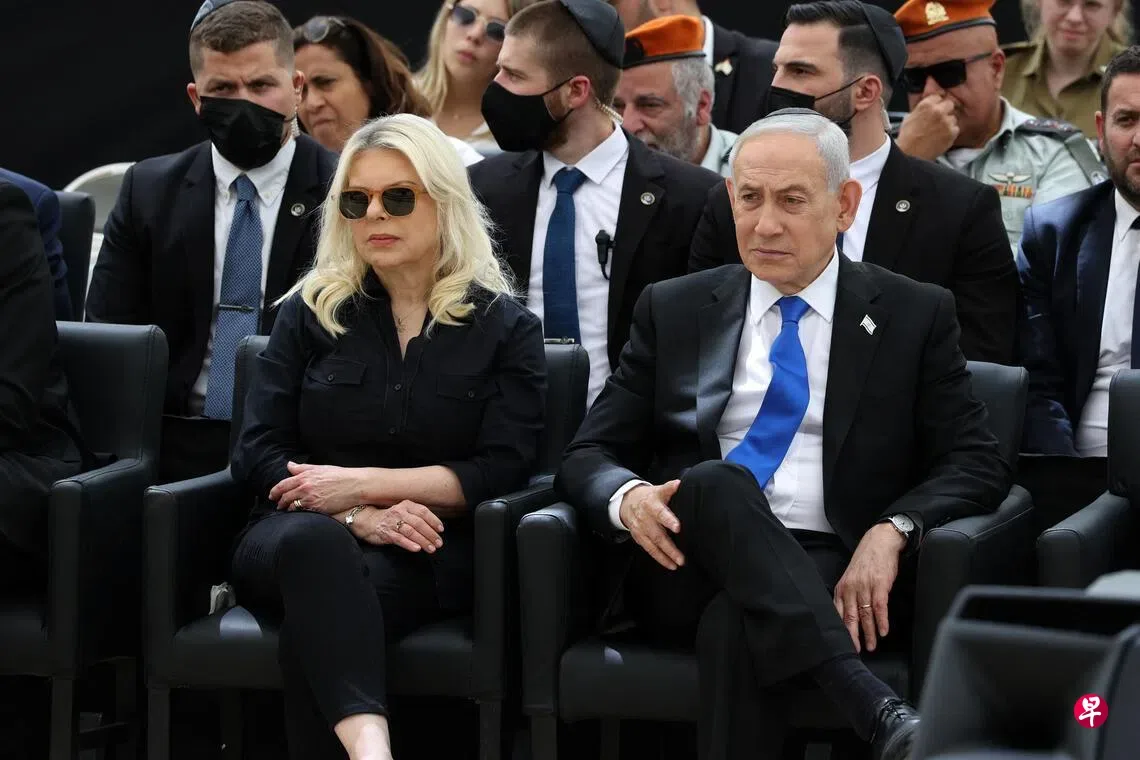
Israeli Prime Minister Benjamin Netanyahu underlined the importance of maintaining close relations with the United States on June 18, 2026, following the US-Iran ceasefire memorandum signed the day before [1, 2, 3, 4, 5]. He said, "The struggle is not yet over, and further challenges lie ahead. They require calm judgement, steadfast defence of Israel’s security interests, and at the same time the preservation of our vital relationship with our American friends, who stood shoulder to shoulder with us in this fight – a partnership we deeply appreciate" [1].
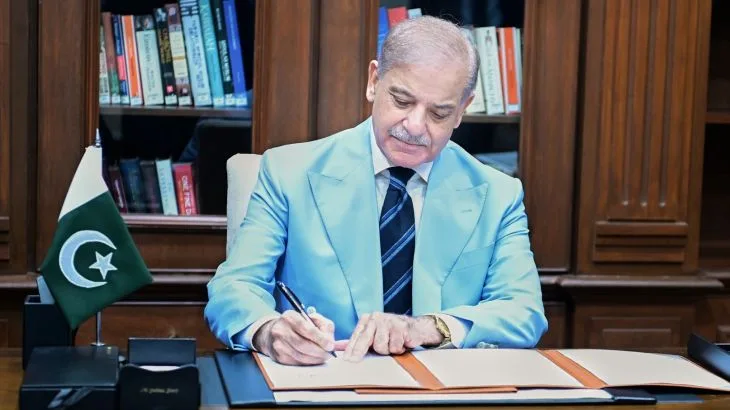
The US and Iran signed the ceasefire memorandum on June 17, calling for an immediate and permanent halt to military operations on all fronts, including Lebanon, to facilitate peace talks [1, 2, 3]. However, Netanyahu has not directly commented on the Iran agreement. Some Israeli coalition members dismissed it before details were known, citing concerns it fails to address Iran’s missile program, a key Israeli security threat [1, 2, 3]. Analysts criticized the deal as locking in Iranian gains and allowing Iran to maintain and potentially rebuild missile and drone arsenals and proxy forces in Lebanon, Yemen, and Iraq [1, 2, 3].
US President Donald Trump criticized Netanyahu's military actions in Lebanon prior to the agreement, calling him "a very difficult guy" but saying he "should be very thankful to us for doing this" because "if Iran had a nuclear weapon, Israel wouldn’t be around for two hours" [1]. Axios reported Trump viewed Netanyahu’s recent escalation in Lebanon as disproportionate and was concerned about civilian casualties, though he acknowledged Hezbollah was firing rockets and Israel needed to defend itself [1, 2].
Netanyahu reiterated that Israel would maintain forces in southern Lebanon and warned Hezbollah’s rocket launches would be met with strikes on Beirut’s southern suburbs [1, 2]. Israeli National Security Minister Itamar Ben-Gvir stressed Israeli sovereignty, posting in Chinese on social media that "Israel does not answer to the US; we are an independent sovereign nation! Israel is not a banana republic" [3].
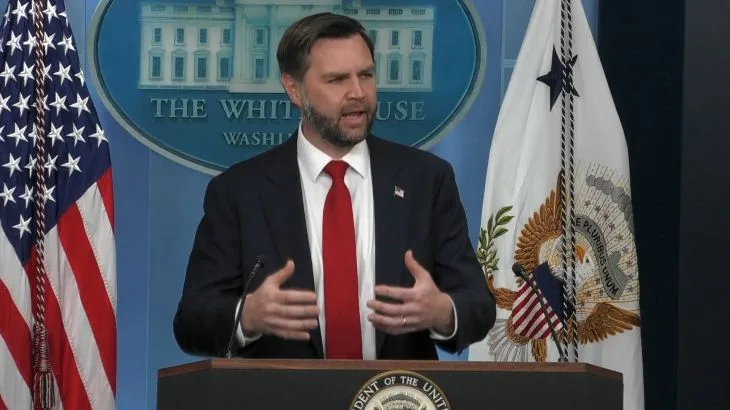
US Vice President JD Vance criticized Israeli government members who opposed the Iran deal and emphasized the US hopes for a comprehensive ceasefire including Lebanon, Hezbollah, and Israel [3, 4]. The US Deputy Vice President Mike Pence announced the 60-day negotiation period between the US and Iran officially started June 18, 2026 [3].