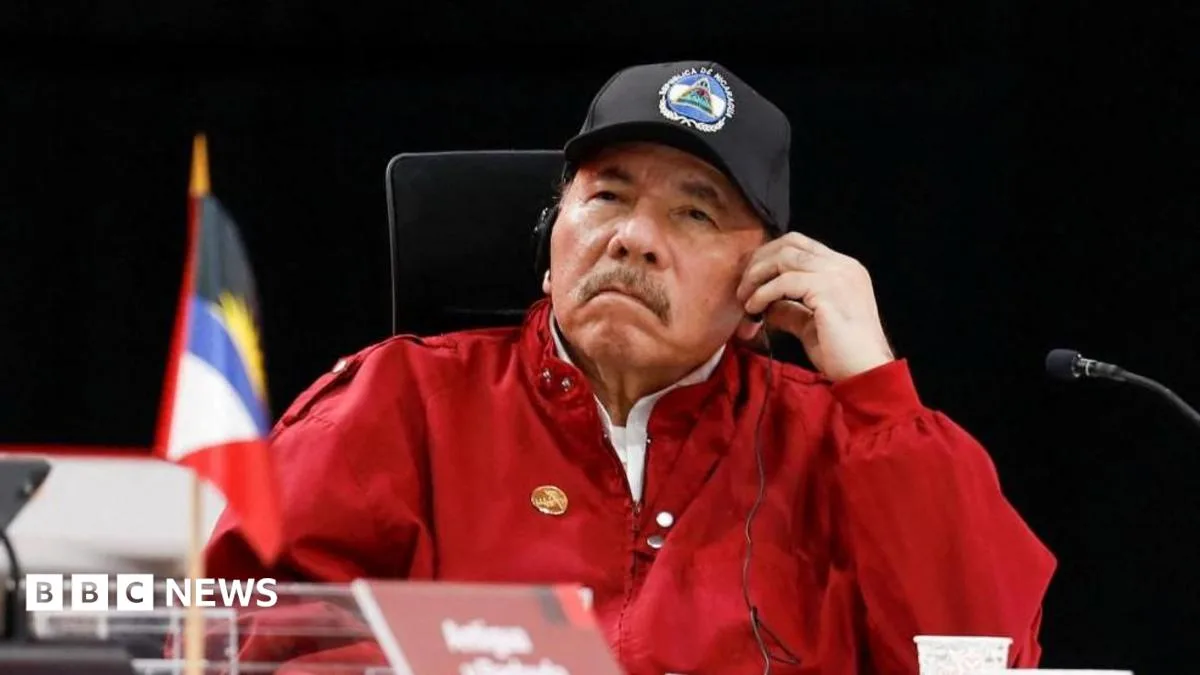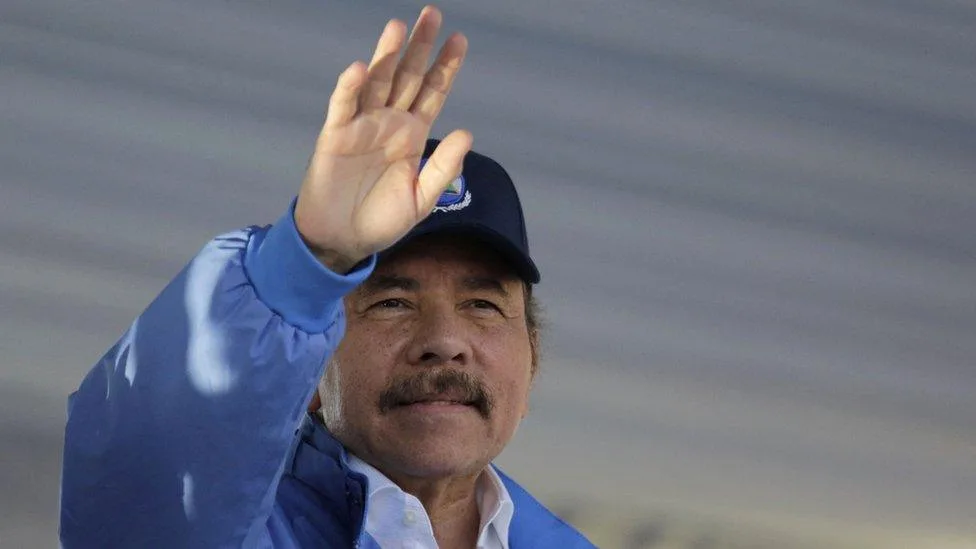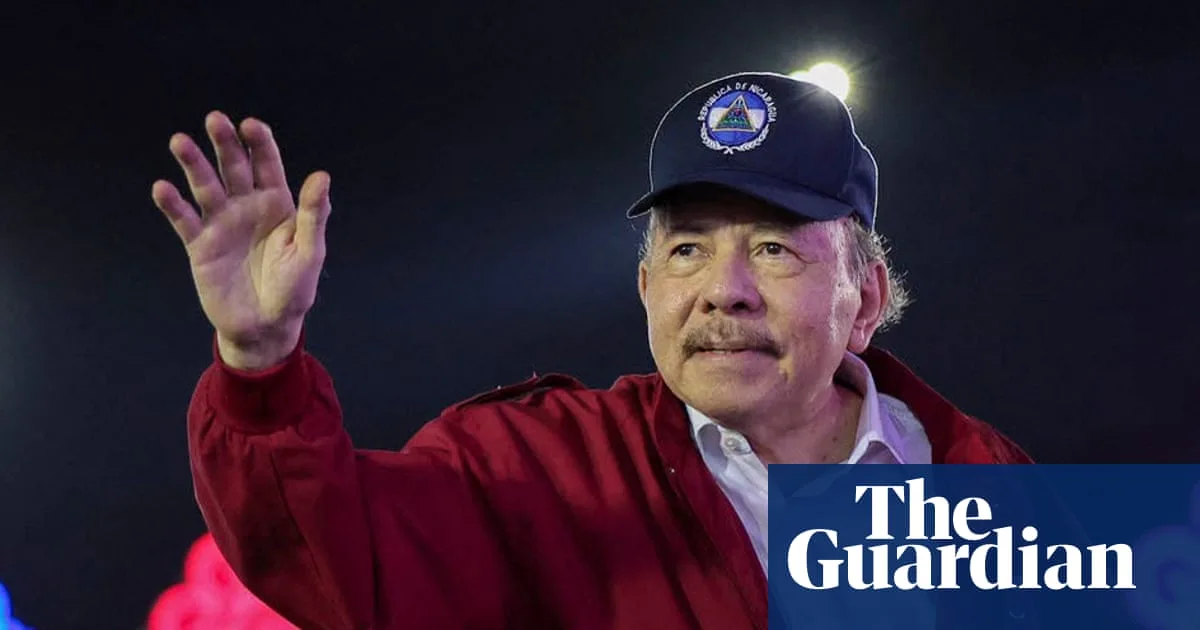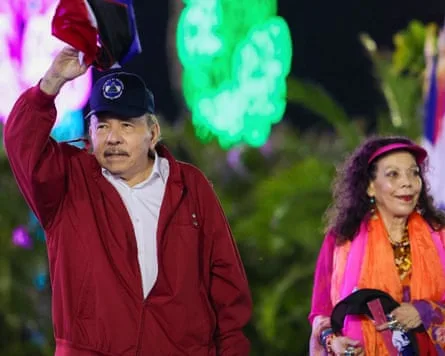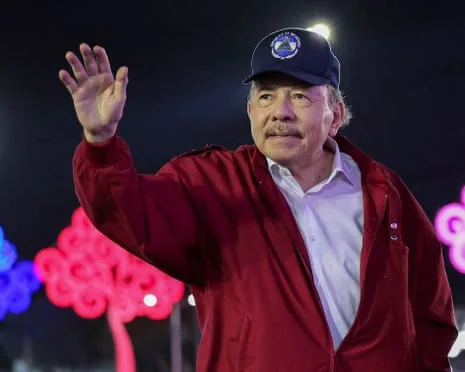
Nicaragua's President Daniel Ortega announced on July 19, 2026, that the country will no longer hold elections to prevent opposition parties from seizing power. He made the declaration during a speech marking the 47th anniversary of the 1979 Sandinista revolution, stating, "There won’t be any more elections here so that they [the opposition parties] can try to seize the government, seize power." Ortega further said, "The days when parties backed by the Yankees (United States) and the Somocistas would return to power are over – never again" [1, 2, 3].
The 80-year-old leader has ruled Nicaragua continuously since 2007 and also served as president during the 1980s. In February 2025, Ortega appointed his wife, Rosario Murillo, as co-president. Together they control the government, judiciary, military, and electoral bodies [1, 2, 4].
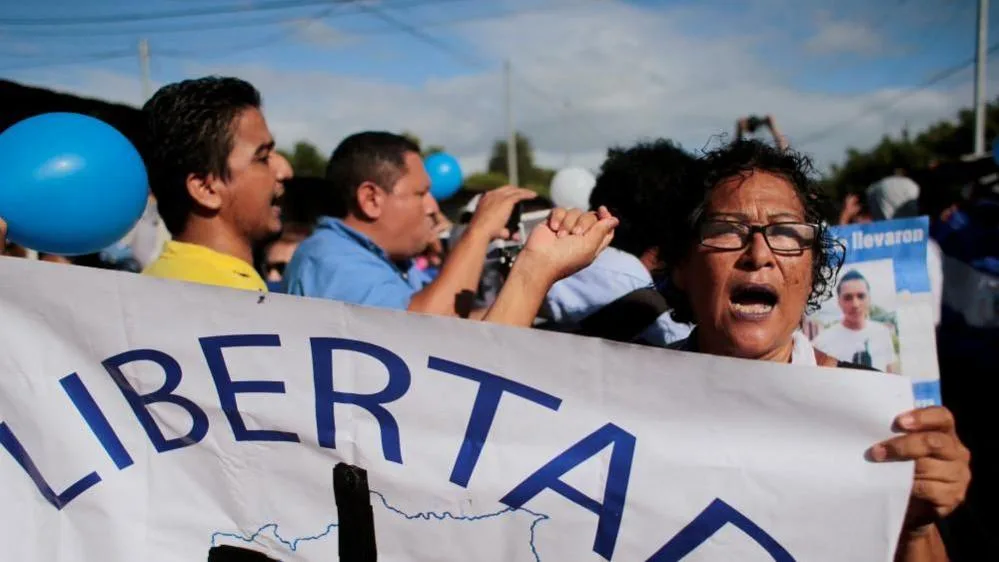
Ortega accused opposition groups of being financed and controlled by the United States, vowing to pass laws to "build a wall" blocking their influence. He blamed opposition parties for the 2018 nationwide protests that led to over 300 deaths and said they plotted coups with foreign backing. Ortega also condemned U.S. actions like the January 2026 abduction of Venezuela's Nicolás Maduro, calling them "monstrous" [1, 4, 5, 6].
The last presidential election was held in November 2021 and was widely condemned as unfair after opposition candidates were jailed or forced into exile. In 2025, Ortega pushed through constitutional reforms extending presidential terms from 5 to 6 years [1, 3, 4, 7].
U.S. officials, including Secretary of State Marco Rubio, condemned Ortega’s announcement as a move to cement authoritarian rule. Rubio said, "Ortega's declaration lays bare the true authoritarian nature of his rule and shows he and Murillo have abandoned even the pretense of popular consent" [1].
Human rights groups and the United Nations accuse Ortega’s government of extrajudicial killings, arbitrary detentions, torture, and repression of dissent, particularly during the 2018 protests that left over 300 dead [1, 4, 7, 6]. Experts say the cancellation of elections marks a turn toward a full-fledged family dictatorship, eliminating any chance of electoral competition. Analyst Tiziano Breda said, "Instead of staging a rigged election, they have opted to eliminate electoral competition altogether" [2, 5, 7].
Ortega had been absent from public view for 61 days before making the announcement [2, 3, 6]. His government has twice severed diplomatic ties with Taiwan, recognizing China and disparaging Taiwan's sovereignty [8, 9].
The next scheduled presidential election under the new rules would have been expected after the 2025 constitutional reforms extending terms, but the announced abolition halts any future polls.