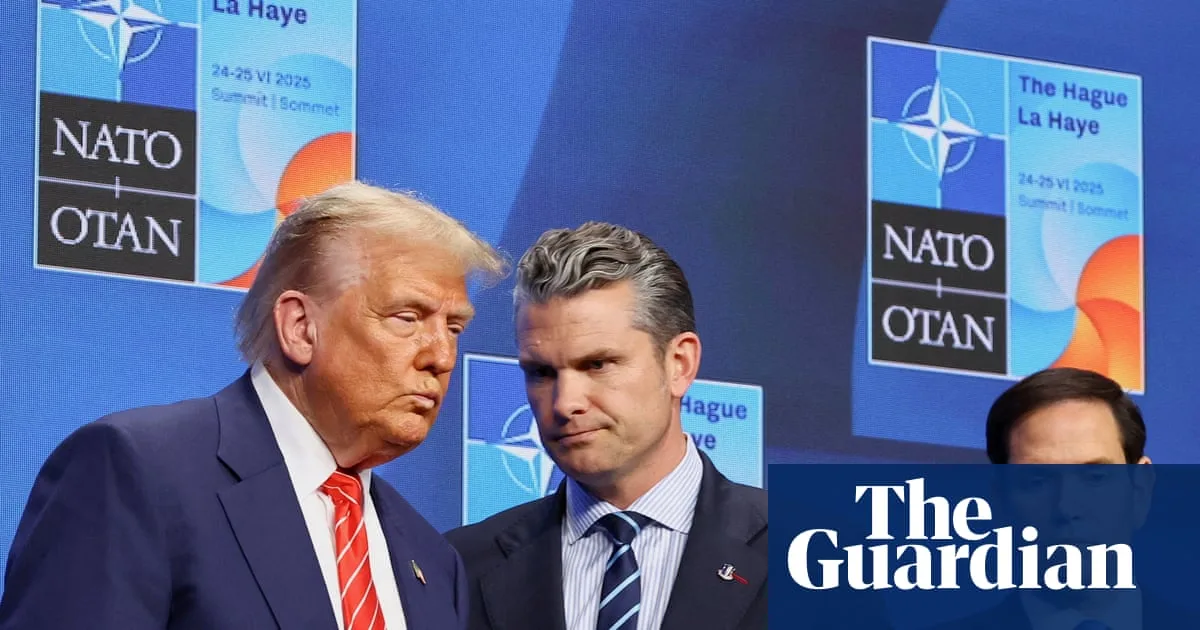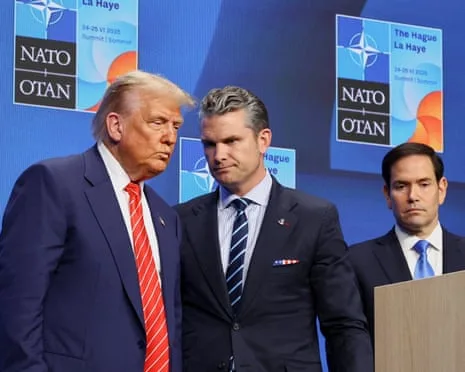
Polling conducted in May 2026 across 15 European countries shows confidence in the United States as an ally has dropped to a record low 11%, down from 16% six months ago and 22% in November 2024 [1, 2, 3, 4, 5]. Majorities in all surveyed nations except Bulgaria doubt the US would come to their defense if attacked [1, 2, 3, 4, 5]. The findings reveal deepening European skepticism toward American security guarantees amid policies pursued by US President Donald Trump, including troop withdrawals from Europe, threats to Greenland, and NATO skepticism [1, 4].
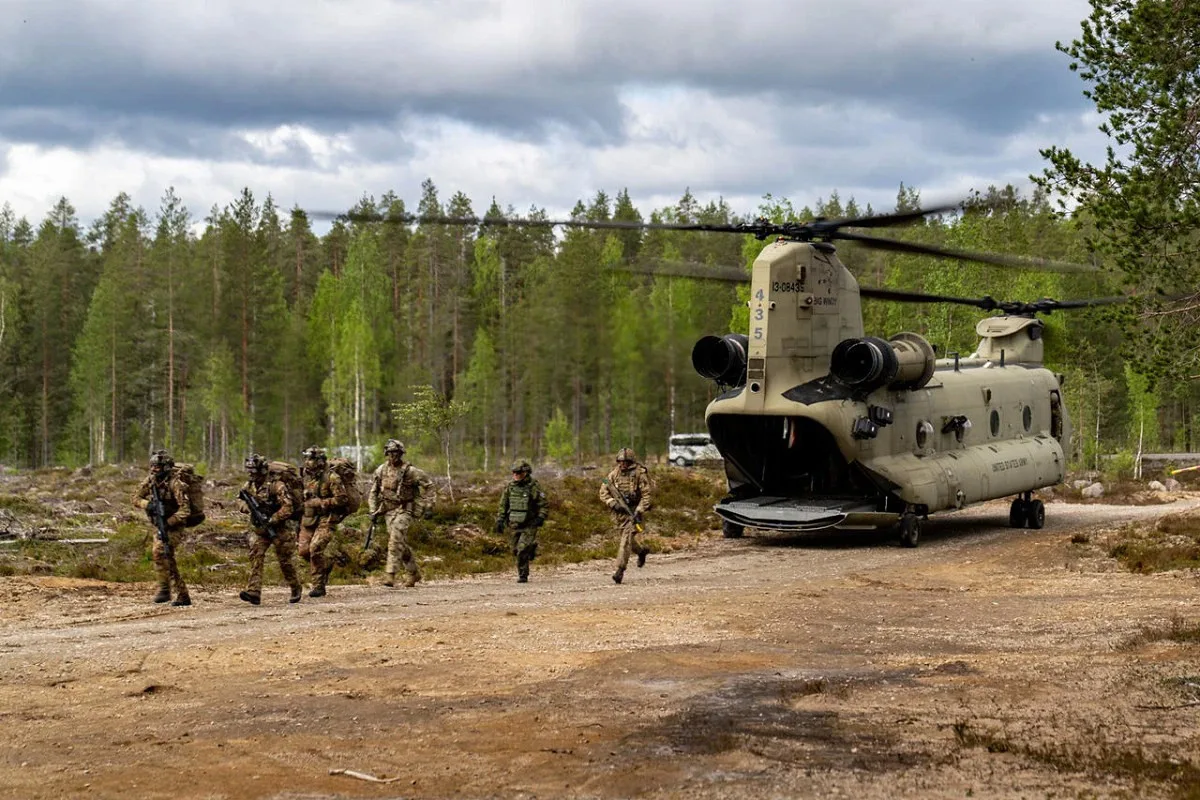
European support for increasing national defense spending has risen by about 4 percentage points compared to last year, despite resistance in countries such as Italy, Austria, and Germany [1, 2, 3, 5]. Nearly half of Europeans (47%) back collective EU borrowing to fund defense initiatives, with the highest support in Portugal (59%), Denmark (56%), and the Netherlands (55%) [2, 3, 5]. Meanwhile, most Europeans favor reducing reliance on US military hardware in favor of European alternatives, except in Poland, where preference remains for US weapons [2, 3, 5].
Jana Kobzová, a senior policy fellow at the European Council on Foreign Relations (ECFR), said, “Across the continent, there’s clear support for reducing dependence on Washington. Europeans are increasingly open to higher defence spending and, crucially, show a striking degree of confidence that neighbouring countries would come to their aid in a crisis.” [1] Paweł Zerka, also an ECFR senior fellow, added that “Clear public demand for greater self-reliance and the need to hedge against US defence guarantees had created a window for Europe’s leaders to go further and faster on security.” [1]
Despite low confidence in the US, support for Ukraine as an ally or strategic partner remains generally high, though consensus wanes around post-war peacekeeping and EU enlargement eastward [2, 3]. Many Europeans expect relations with the US to improve once Donald Trump leaves office, with Bulgaria as an exception [1, 2, 3, 4, 5].
The May 2026 polling comes after earlier surveys showing a steady decline in European trust in the US since 2024 [1, 2, 3, 4, 5]. It captures shifting attitudes amid geopolitical tensions and debates over Europe’s strategic autonomy.
European leaders face mounting pressure to increase defense spending and strengthen internal cooperation. The survey results mark a decisive moment ahead of EU summits scheduled to discuss defense budgets and procurement policies in late 2026.