OpenAI revealed on June 10 that it identified and banned multiple clusters of ChatGPT accounts likely linked to China that targeted US public opinion on AI data centers and tariffs. The accounts operated roughly from late 2025 to early 2026, posing as ordinary Americans and producing social media content in both English and simplified Chinese, including political cartoons and slogans, to shape the debate [1, 2, 3, 4, 5, 6, 7, 8, 9, 10, 11].
One major cluster spread messages claiming that AI data center construction drove up electricity prices for American families. Another cluster criticized US technology policies and President Donald Trump's tariffs as efforts to dominate global tech competition [1, 2, 3, 4, 5, 6, 7, 8, 9, 10, 11]. Ben Nimmo, OpenAI's principal investigator, called it "a classic example of a foreign influence operation, jumping onto the bandwagon of a genuine pre-existing domestic debate, and trying to manipulate it by using fake accounts, posing as Americans" [11]. An OpenAI report added that "foreign influence operations have long sought to latch onto existing local issues and sincerely held beliefs, using them to build credibility, amplify divisions or exacerbate public distrust" [6].
OpenAI said the accounts were likely run by social media teams at a private Chinese tech firm serving provincial government clients. Despite the efforts, analysts found little to no meaningful impact or engagement from these campaigns on US public opinion [1, 2, 3, 4, 5, 6, 7, 8, 9, 10, 11]. Nimmo stated, "We didn't see any signs that they succeeded" [11].
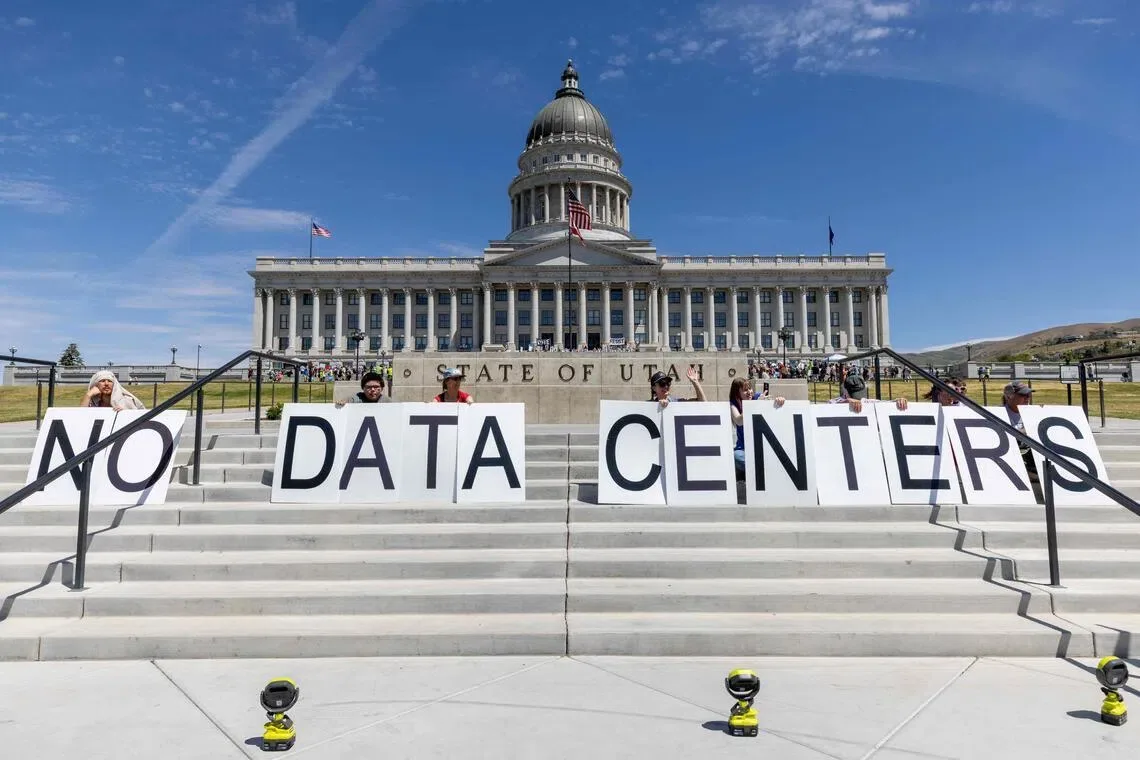
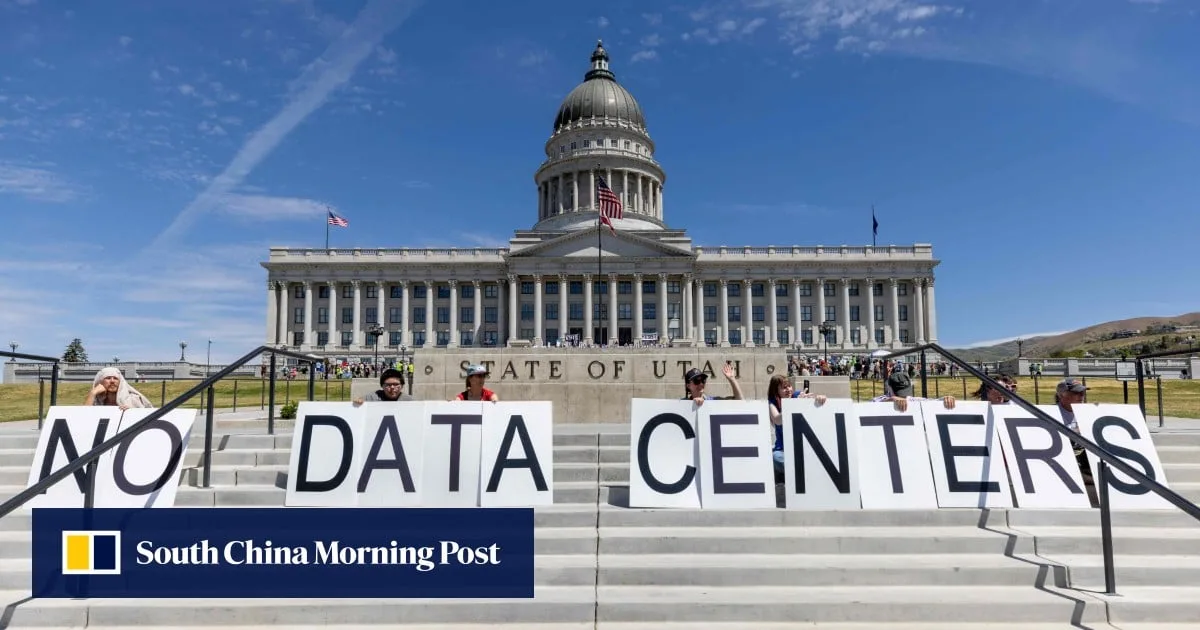
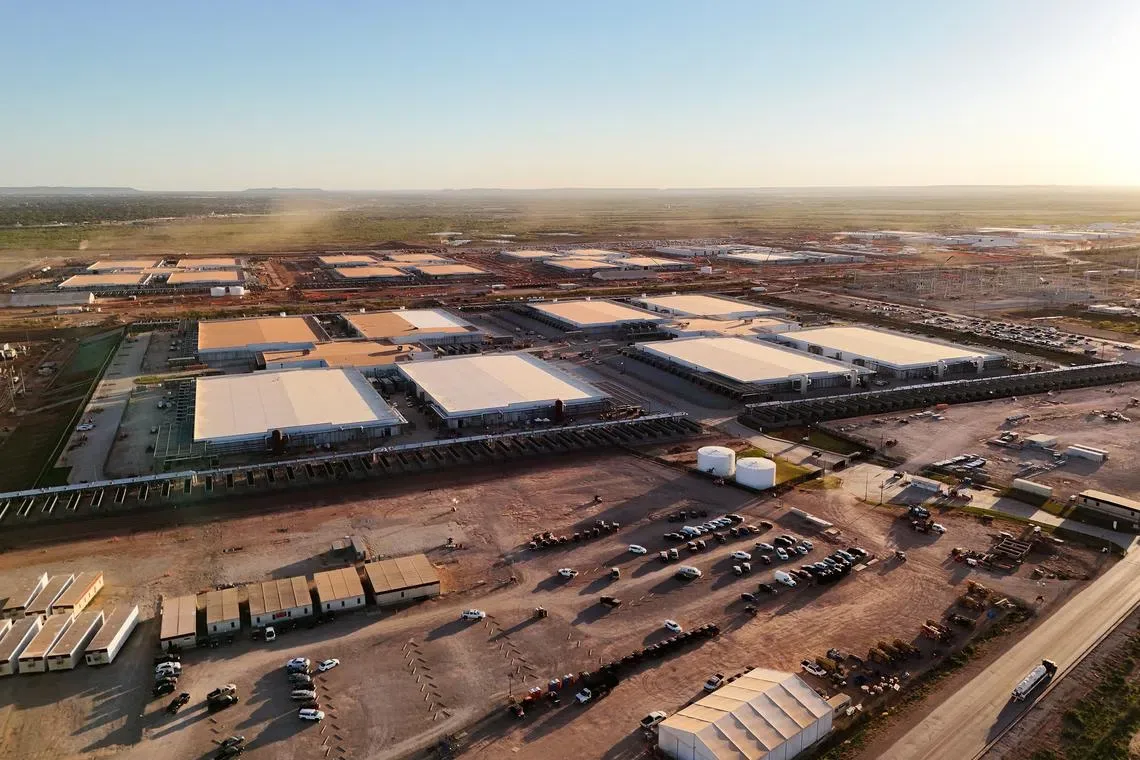
The revelation comes amid genuine US local concerns about AI data center developments, including issues over electricity consumption, noise, water use, job creation, and big tech's growing influence. Polling in early June showed 32% of Americans opposed new data centers, while 40% supported them. Additionally, 70% reported paying higher prices due to President Trump's tariffs, which the campaigns critiqued [2, 3, 4, 8, 12]. Trump himself downplayed foreign influence worries and pledged support to AI infrastructure, saying, "I will use emergency executive orders to expedite AI infrastructure, including allowing data centers to have their own power plants" [1, 2, 3, 4].
Some US officials called for investigations into Chinese influence on AI and tariff debates, though experts cautioned that attributing data center opposition chiefly to foreign efforts risks downplaying legitimate concerns [2, 3, 4, 12]. The Chinese embassy in Washington denied knowledge and dismissed the report as "groundless attacks or smears against China," stressing a commitment to openness and a people-centered AI approach [5, 6, 9].
OpenAI’s public report on June 10 marked a key step in exposing the influence attempts. The US government and lawmakers now face growing pressure to examine and address foreign interference in technology-related policy discussions.