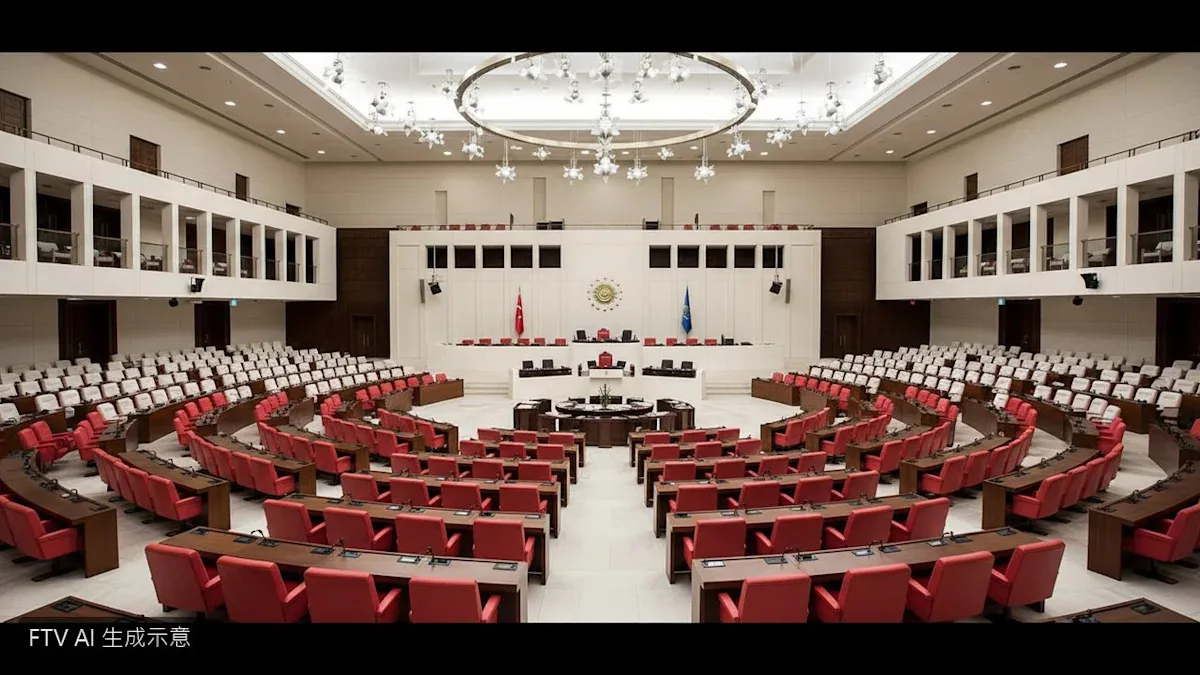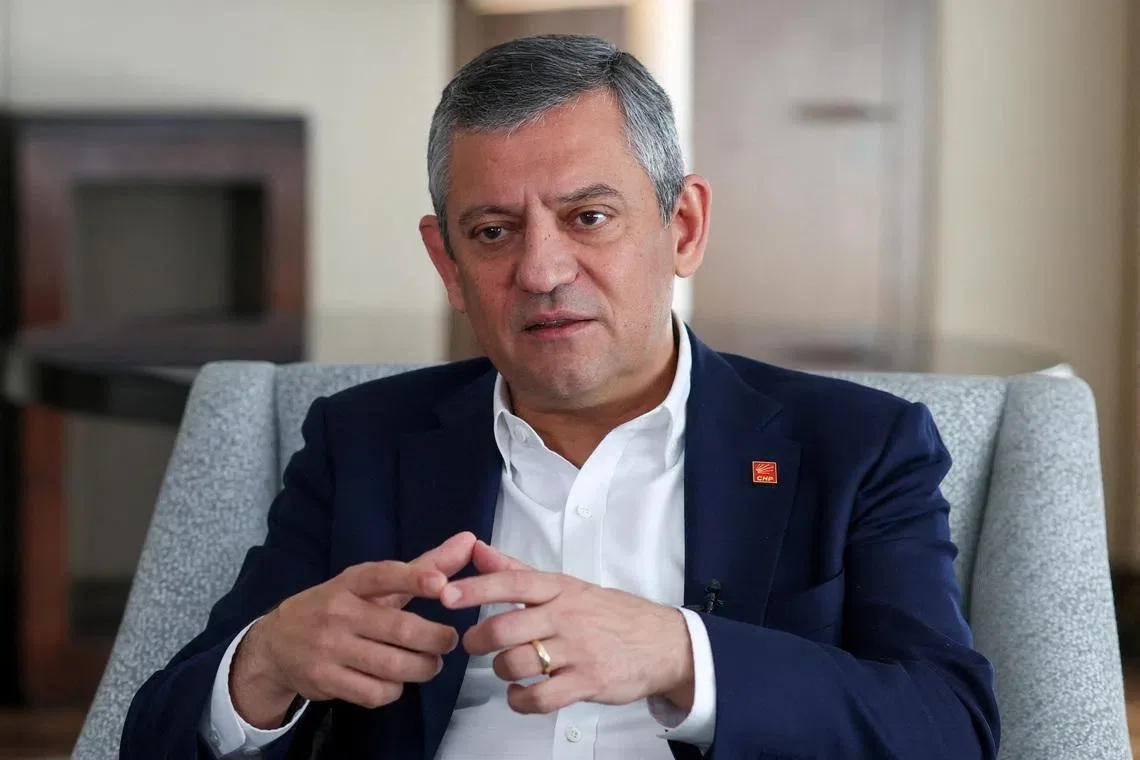
The faction loyal to ousted Turkish opposition leader Ozgur Ozel resigned en masse from the Republican People's Party (CHP) assembly on June 11, 2026, forcing an extraordinary party congress to elect a new chairman within 45 days [1, 2]. The 28 members who stepped down represented a majority of the 57-seat CHP assembly, causing the number of active members to fall below the legally required minimum [1, 2].
This mass resignation follows a Turkish court decision in May 2026 that annulled the 2023 CHP congress which had elected Ozel as chairman. The court reinstated former leader Kemal Kilicdaroglu as chairman, reversing Ozel's leadership [1]. Prior to the resignations, Kilicdaroglu had requested the expulsion of nine CHP members loyal to Ozel, further intensifying internal party conflict [1, 2].
Ozel's office spokesman Zeynel Emre called the party’s situation "a crime" if the congress is not convened as required, emphasizing that both the party assembly and the central executive committee lack legal quorum due to the resignations [1].
Critics accuse the court ruling of political motivation amid a wider crackdown on the CHP, raising concerns over democracy and the rule of law in Turkey [1]. The opposition crisis could improve President Recep Tayyip Erdogan's prospects, potentially enabling him to hold early elections ahead of the 2028 scheduled polls [1].
The CHP must now organize the extraordinary congress and elect a new chairman within 45 days of the resignation announcement on June 11, making the deadline around late July 2026 [1, 2].