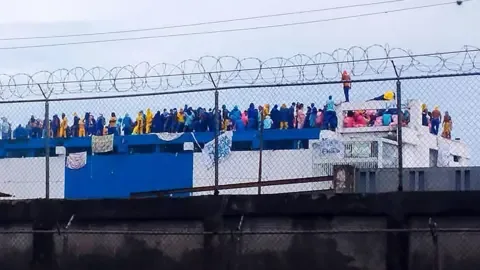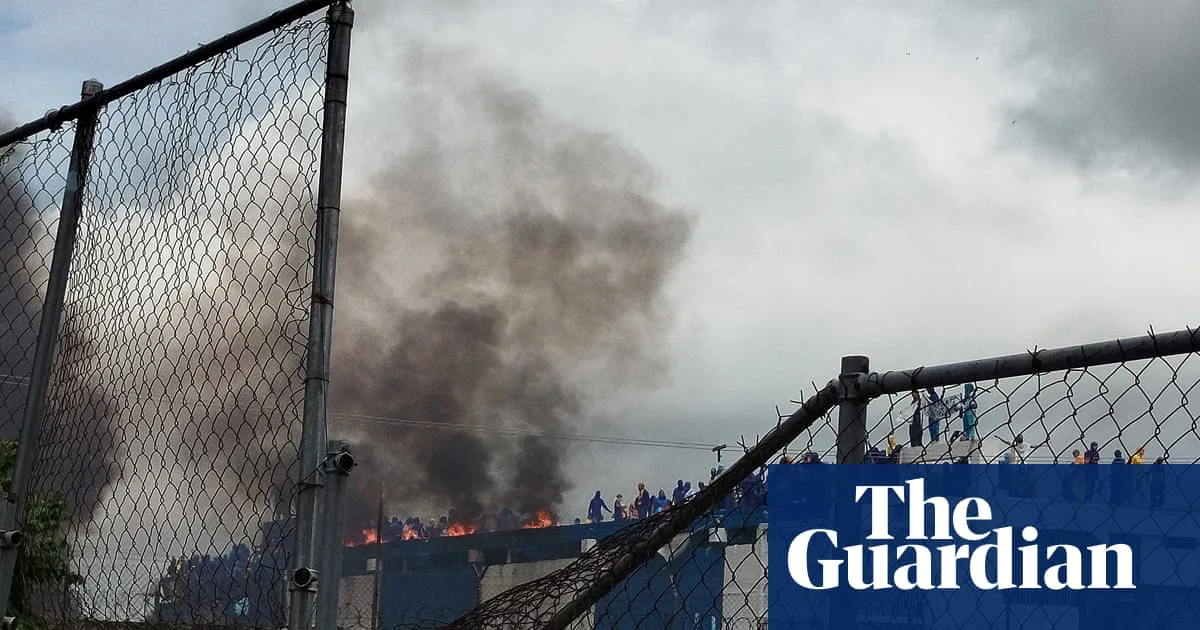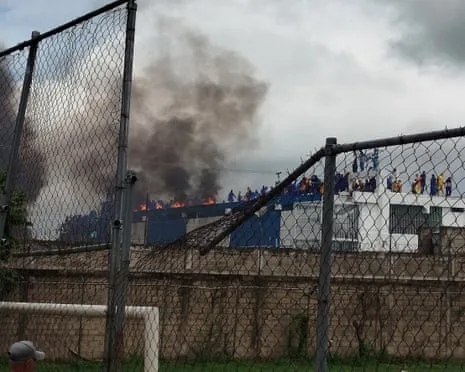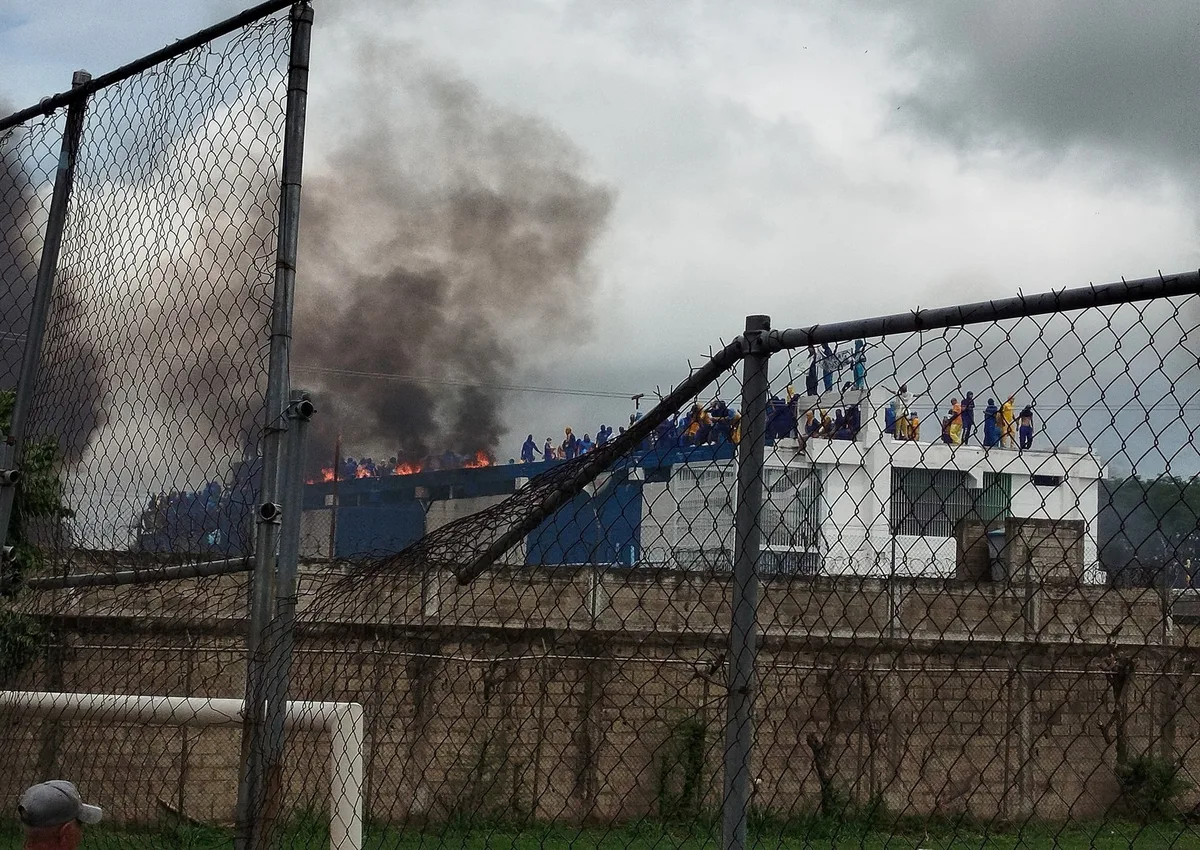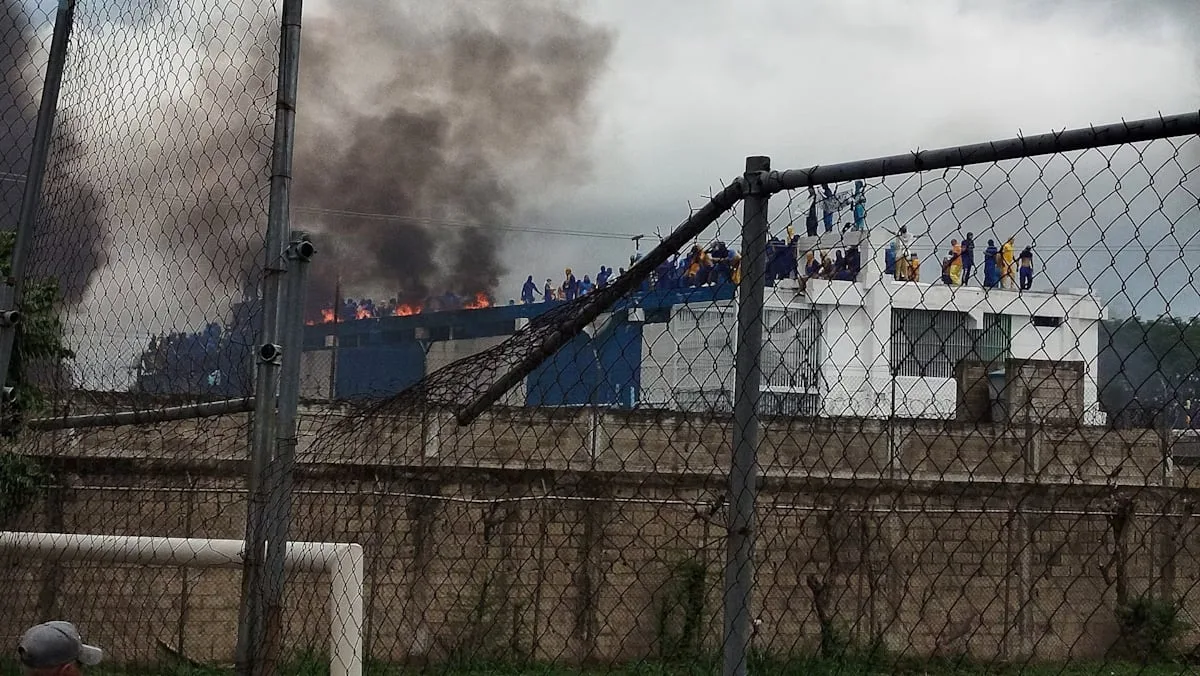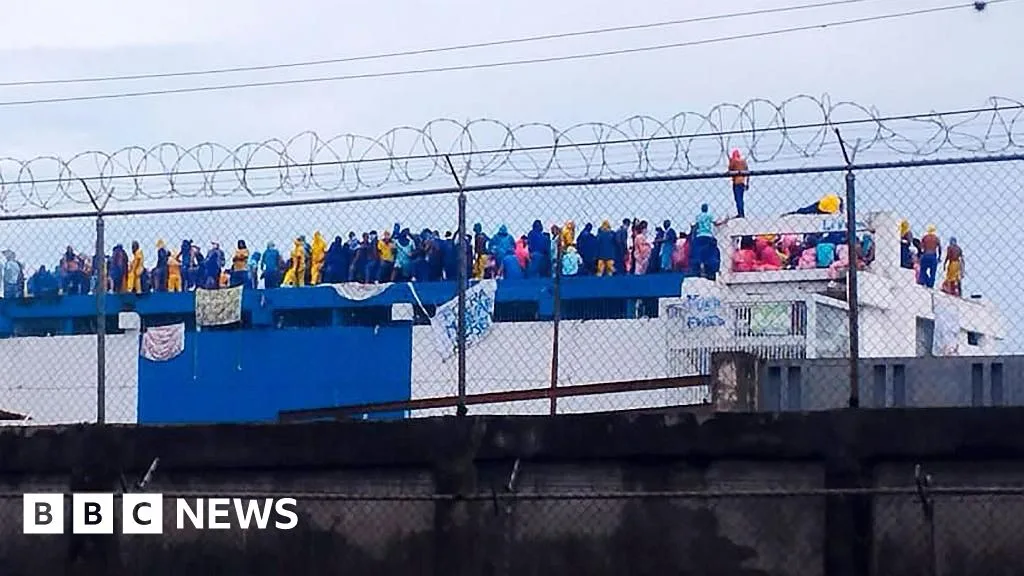
On 24 May 2026, approximately 1,200 male and over 100 female inmates at the Barinas Judicial Detention Center in western Venezuela took over the prison roof in protest against alleged abuses, including torture, forced drug trafficking, confiscation of personal clothing, and a ban on visits [1, 2, 3]. Protesters burned mattresses and sheets and displayed banners reading "SOS," "Stop torture," and "They are torturing us," demanding the removal of the new prison director, Elvis Macuare Guerrero, whom they accused of overseeing the mistreatment [1, 2, 4].
Prison officials responded with violence. Guards reportedly opened fire on the inmates, injuring some. Tear gas and other suppression tactics were used to break the protest [1, 2, 4]. Videos shared by the Venezuelan Prison Observatory showed inmates with bullet wounds chanting for justice [1, 2, 4, 5]. An unnamed inmate said, "We want justice. They are shooting us, the guards and the wardens" [2].
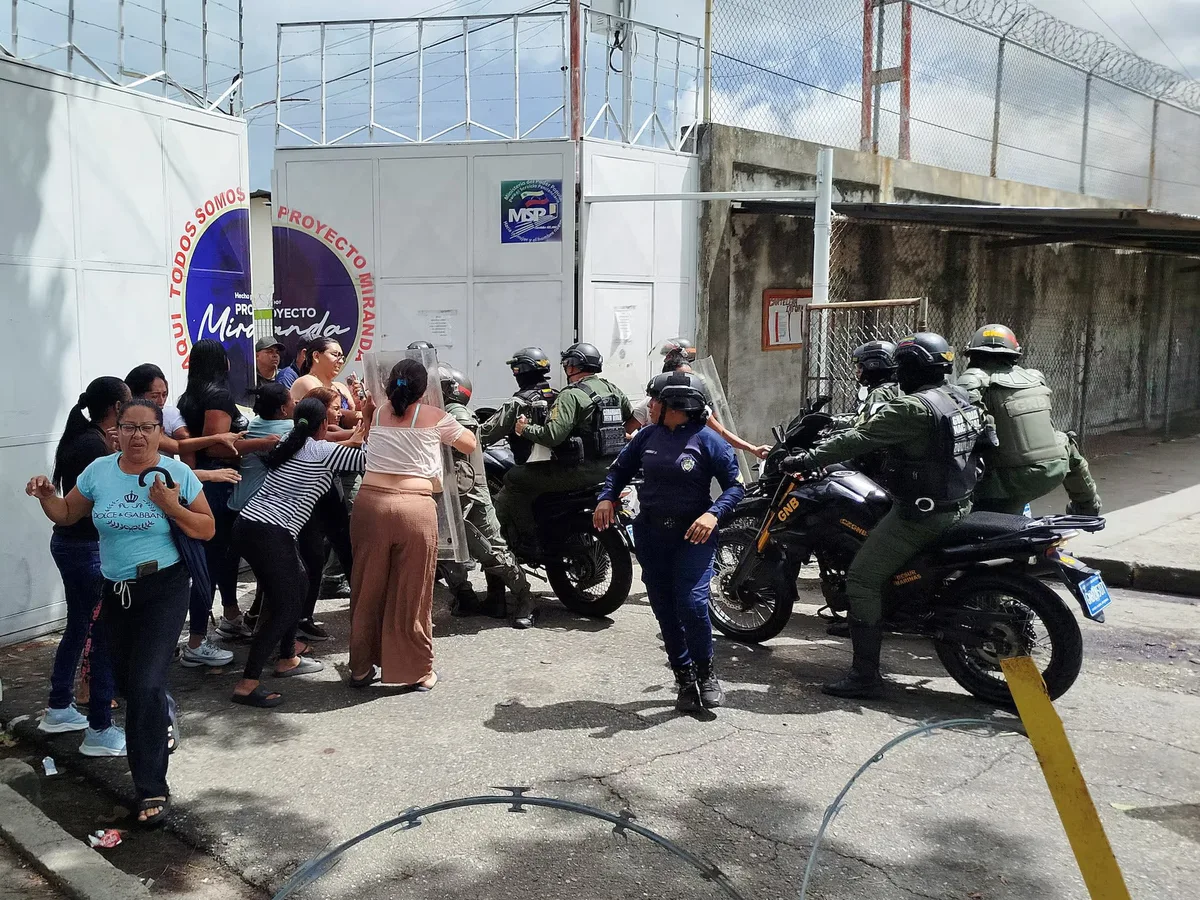
Outside the prison, family members clashed with National Guard forces trying to enter. They heard explosions and screams after guards advanced. Yelitza Arrollo, a family member, said, "They are suffering. We want the director removed" [2]. She added that inmates endure beatings, cold water dousing, electrocution, and other abuses [5].
Barinas prison, about 500 kilometers from Caracas, is known for severe overcrowding and poor conditions common across Venezuelan prisons. Human rights groups have long condemned systemic abuses including denial of medical care and violence by guards [1, 3, 6]. While Barinas does not typically hold many political prisoners, political prisoner groups expressed solidarity with the inmates [1]. Since January 2026, after U.S. forces detained former president Nicolás Maduro in Caracas during a raid, hundreds of political prisoners were released but over 400 remain incarcerated [1, 2, 6].
Inmates at Barinas had been complaining about the mistreatment under the new director for at least a week prior to the protest [1, 3]. The government led by interim President Delcy Rodríguez had not publicly responded to the protests or allegations as of the latest reports [1, 2].
Authorities face pressure to investigate the abuse claims and address prison conditions. The protests underscore continuing unrest inside Venezuela's penal system and the urgent demands of inmates and their families.
Authorities reportedly quelled the rooftop protest on 24 May after several hours of violence and suppression [2, 4]. Further developments and government responses are expected but have not yet been announced.