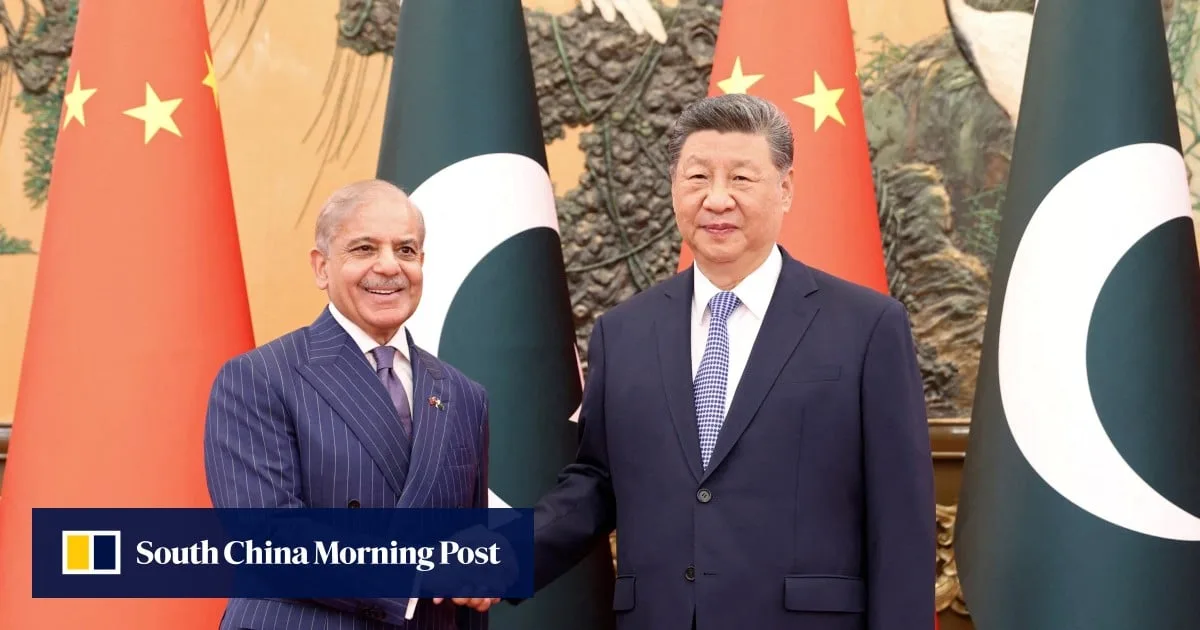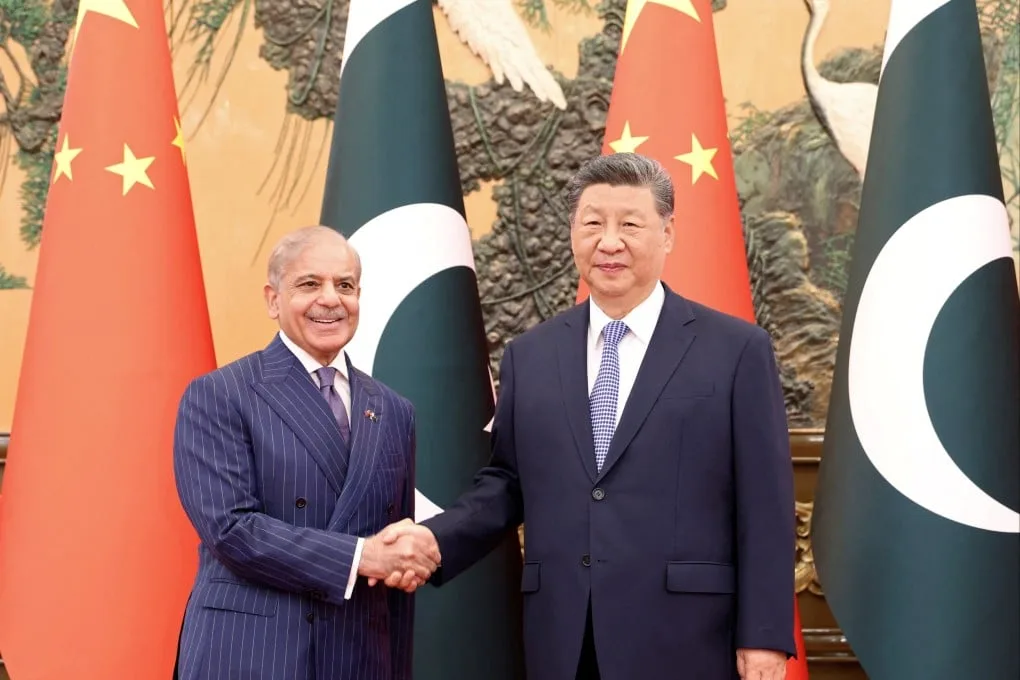
Chinese President Xi Jinping met with Pakistani Prime Minister Shehbaz Sharif in Beijing on May 25, 2026, and praised Pakistan’s efforts in mediating peace talks between the US and Iran [1, 2, 3, 4, 5, 6]. Xi said, "China appreciates Pakistan’s proactive role in mediating peace in the Middle East" and acknowledged Shehbaz Sharif’s recent visit to Iran for dialogue, saying, "I know that you have just returned from Iran and made positive efforts for the current peace" [1, 2].
Pakistan has emerged as the main mediator in the US-Iran conflict after hosting direct talks between the two countries in April 2026, although those negotiations failed to produce a lasting agreement [1, 3, 4]. The conflict began on February 28, 2026, following US and Israeli military strikes on Iran, and has caused over 3,300 deaths and displaced thousands within Iran [5].
A ceasefire brokered by Pakistan took effect on April 8, 2026, and was extended indefinitely by US President Donald Trump this month [5, 6]. Trump said on May 23-24 that Tehran and Washington are "getting a lot closer" to finalizing a peace deal [7, 8, 5, 6]. Pakistani Prime Minister Shehbaz Sharif welcomed Trump’s efforts, expressing hope to host the next round of US-Iran talks soon and stating, "Things are moving in the right direction. I would like to thank China’s support to promote peace" [2, 7, 3, 8, 9, 5].
Army Chief General Asim Munir has taken a central role in the mediation, recently visiting Tehran to meet Iranian leaders from May 22-25, 2026, to secure a permanent ceasefire [1, 4, 9, 5]. The Pakistani Foreign Ministry has maintained close coordination with China on the Iran peace process [1].
During Sharif’s visit, China and Pakistan reaffirmed their strategic partnership, celebrating 75 years of diplomatic ties in 2026 [2, 5]. The two countries agreed to deepen cooperation on artificial intelligence, digital economy, mining exploration, counterterrorism, and regional security including coordination on Afghanistan [1, 10, 6]. Pakistan supports China’s initiative to establish the World Artificial Intelligence Cooperation Organization for global AI governance [1, 10].
China emphasized the importance of respecting peaceful coexistence, sovereignty, and international law in Middle East peace efforts, while both countries pledged to contribute positively to peace and stability, including backing a five-point initiative for peace in the Gulf and broader Middle East [2, 6].
The Pakistani Prime Minister’s four-day official visit to China continues, with further talks expected to deepen bilateral ties and cooperation on issues ranging from digital technology to regional security [1, 10].