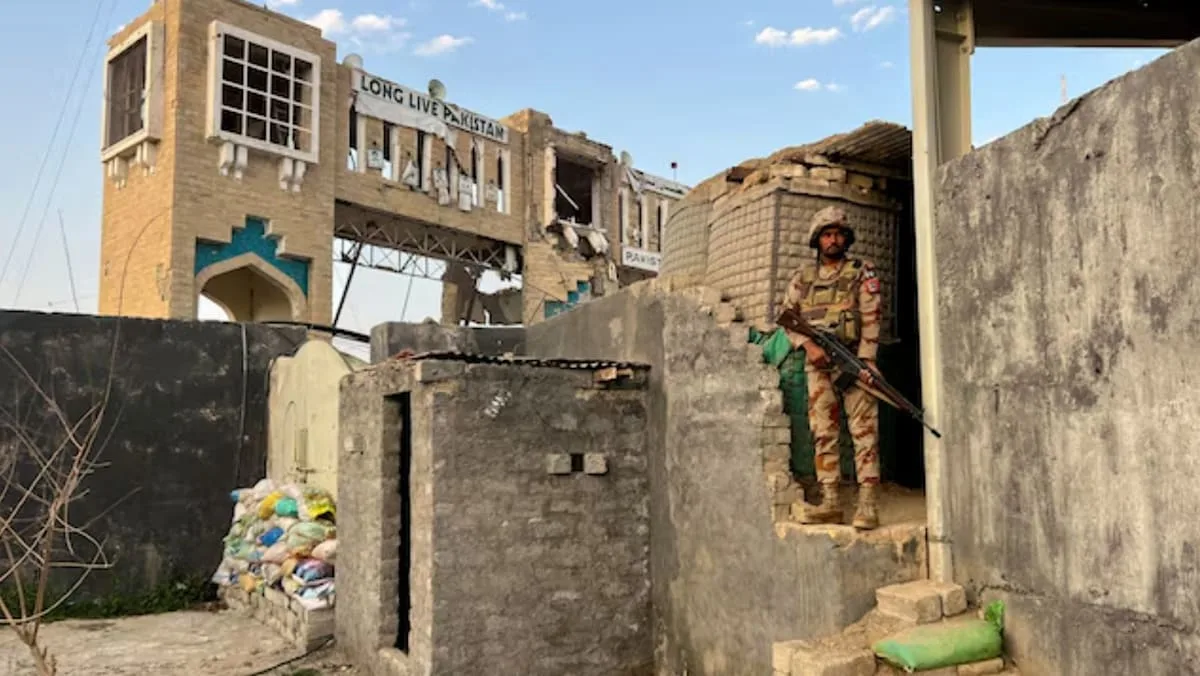
Pakistan deployed approximately 8,000 troops to Saudi Arabia as part of a mutual defense agreement signed in 2025, Reuters reported on May 18. The deployment is the largest Pakistani military presence abroad in recent years and includes operational combat forces, not just advisory units [1, 2, 3, 4, 5].
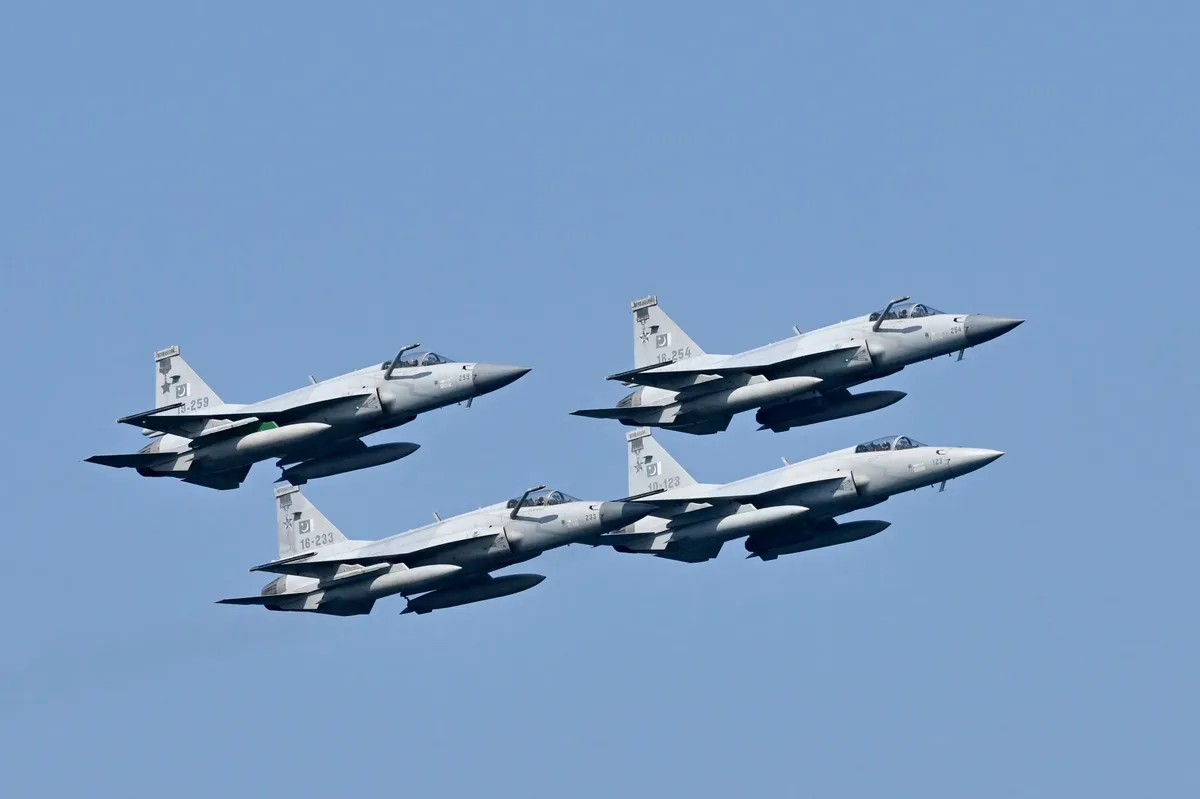
The troops accompany about 16 JF-17 fighter jets forming a full squadron, which arrived in early April 2026. Alongside the jets, two squadrons of drones have also been deployed to enhance operational capabilities [1, 2, 3, 4, 5].
A key element of the deployment is a Chinese-made HQ-9 (Red Flag 9) air defense system, operated by Pakistani personnel but financed by Saudi Arabia. The system adds advanced missile defense coverage for the kingdom and reflects the strategic depth of the partnership [1, 3, 4, 5].
Pakistani Defense Minister Khawaja Asif has stated that the defense pact places Saudi Arabia under Pakistan's nuclear umbrella, suggesting a significant deterrence role beyond conventional forces [3, 4, 5]. He described the pact as obliging mutual defense if either country is attacked, although the full terms remain confidential [2, 3, 4, 5].
While some officials note that Pakistani forces deployed during regional crises have mainly focused on training and advisory roles, multiple sources assert the current force is combat-capable and ready to respond to threats [3, 4, 5]. Saudi Arabia covers the costs of the personnel and equipment deployed, underscoring the financial backing behind the arrangement [1, 3, 4, 5].
The agreement reportedly includes provisions for Pakistani naval deployments, but there is no confirmation that Pakistani warships have arrived in Saudi ports, and most sources do not mention naval forces [2].
Pakistan maintains diplomatic ties with Iran and acts as a mediator in US-Iran tensions, but Islamabad's military support for Riyadh may complicate relations with Tehran [5].
The deployment marks a concrete step following the April arrival of Pakistani jets and reflects increased defense cooperation. Further announcements or operational updates have yet to be released publicly [1, 2, 3, 4, 5].