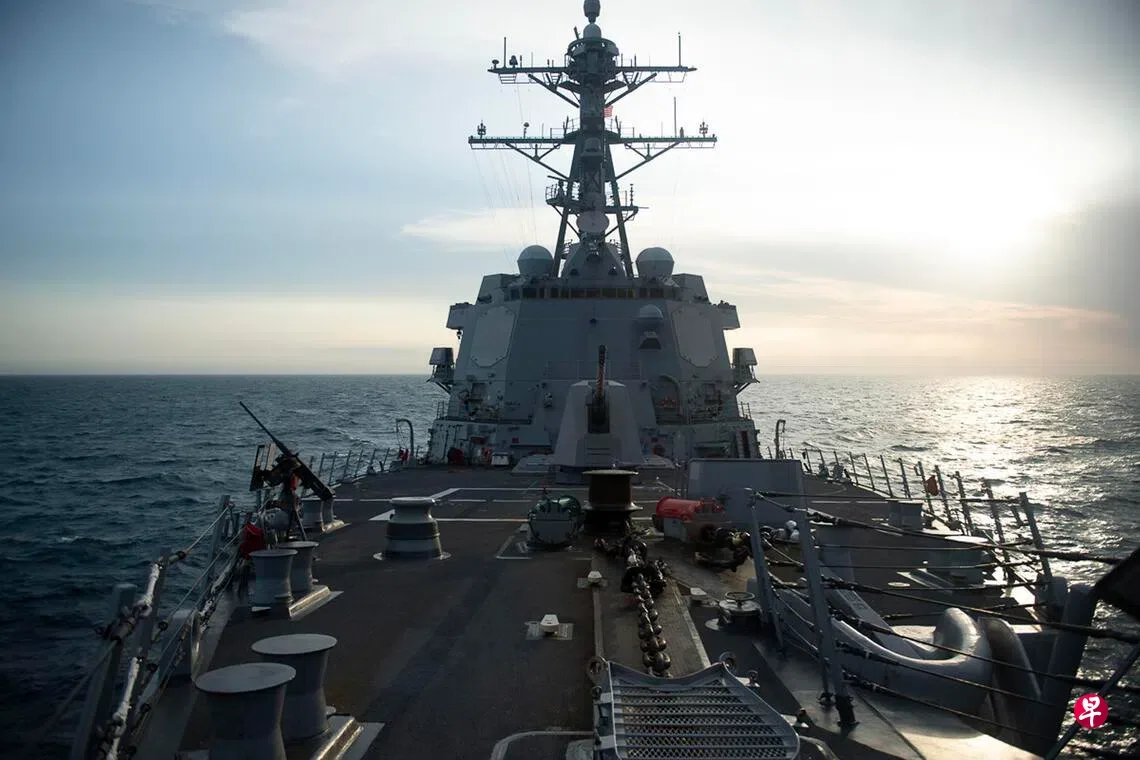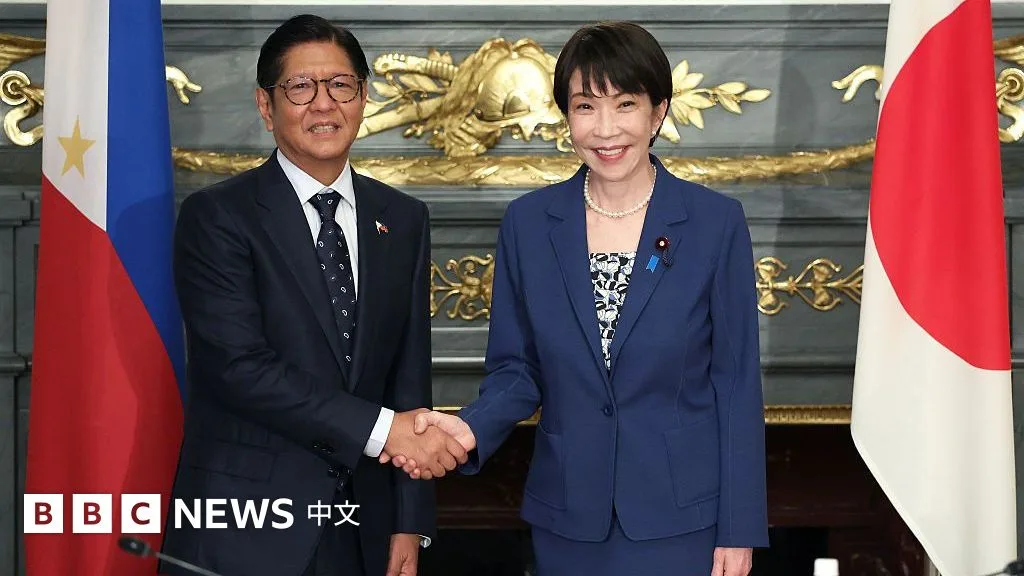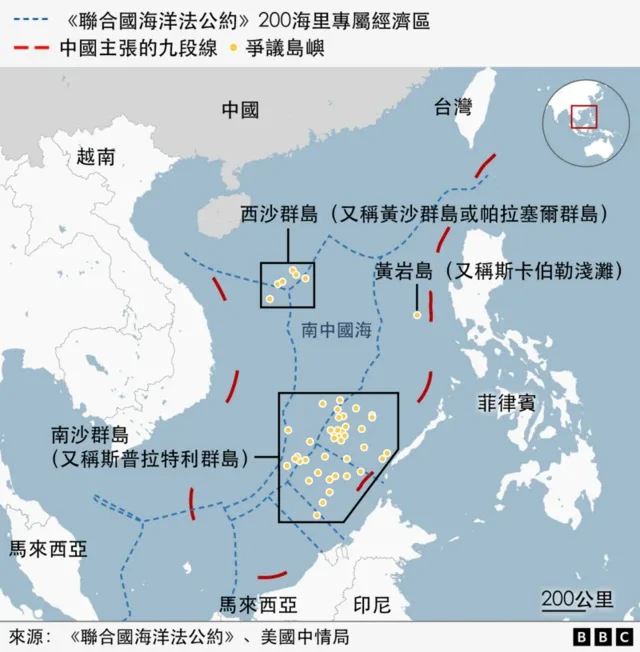
Japan and the Philippines announced on May 28, 2026, the launch of formal talks to delineate their Exclusive Economic Zones (EEZ) and continental shelf boundaries in areas east of Taiwan where claims overlap [1, 2, 3, 4]. The disputed waters include sections claimed by Taiwan, Japan, and the Philippines, raising complex sovereignty issues [1, 2, 3, 4, 5].
Taiwan’s Ministry of Foreign Affairs initially supported the Japan-Philippines negotiations, viewing them as consistent with international law and potentially beneficial for regional peace [1, 3]. However, by June 3, Taiwan shifted its position, emphasizing that Japan and the Philippines must consider Taiwan’s interests and involve Taiwan in consultations to protect its claims [2, 3, 6]. The ministry instructed its offices in Japan and the Philippines to seek details about the negotiation scope and urge respect for Taiwan’s rights [2, 3, 6].
Taiwan’s Fisheries Agency stated it will continue safeguarding fishermen’s rights in overlapping waters and maintain existing fisheries cooperation agreements with both countries [3, 6]. Taiwan’s Foreign Minister Lin Chia-lung said on June 4 that the talks aim to counter China’s military expansion and do not threaten Taiwan’s maritime rights [7].
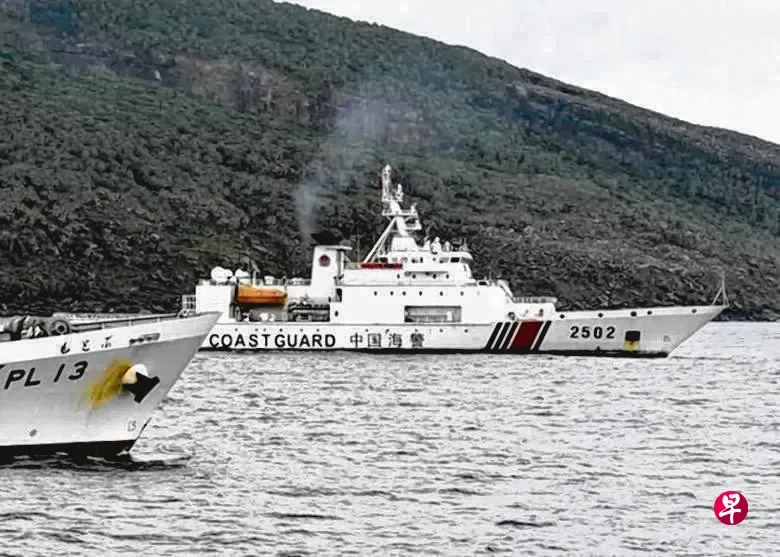
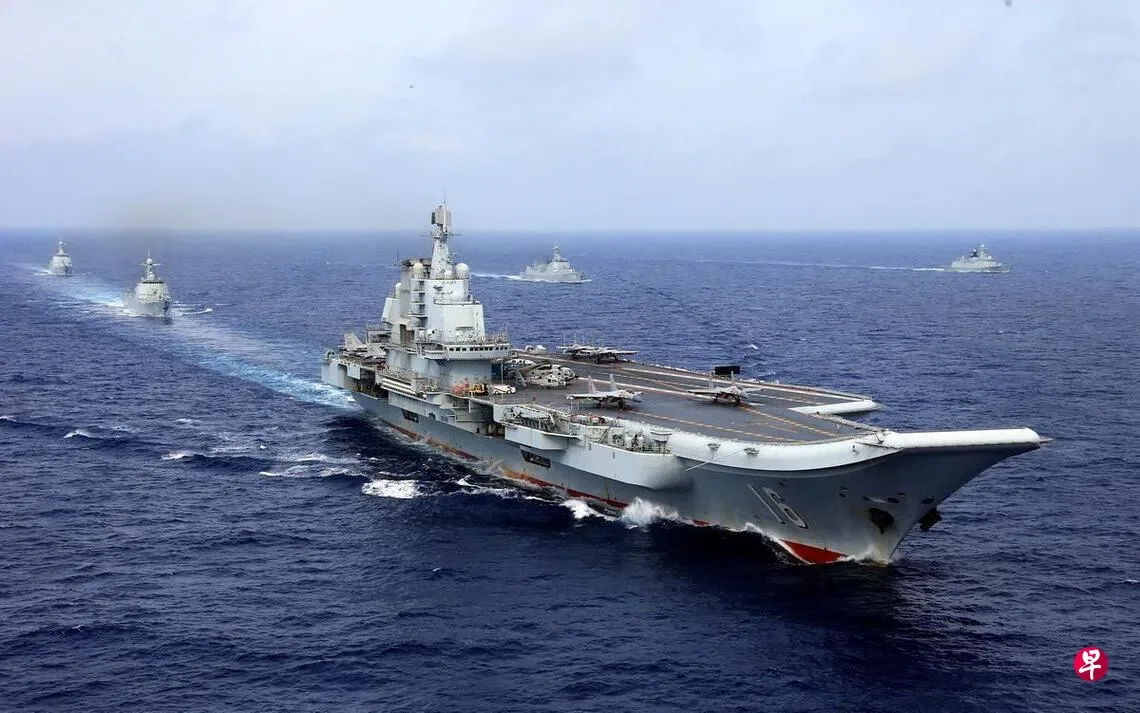
China strongly opposes the negotiations, calling them illegal and invalid without Chinese participation. The Chinese Foreign Ministry accused Taiwan's Democratic Progressive Party (DPP) of betraying Beijing's interests and demanded China’s inclusion in talks over waters east of Taiwan [1, 3, 4, 6]. Following the announcement, China dispatched maritime law enforcement vessels to carry out patrols in the disputed zone [3, 4]. Spokesperson Mao Ning said the talks violate international law and China’s maritime rights [1].
Legal experts note any delimitation agreement between Japan and the Philippines would bind only those two nations and not affect Taiwan’s claims or rights, which remain valid under international law [5, 8]. Maritime law expert Rao Ruizheng said Japan-Philippines agreements cannot exclude third-party claims, including Taiwan’s [5].
Taiwan’s ruling Democratic Progressive Party (DPP) defended its moderate stance, stating China has no right to represent Taiwan’s maritime interests and advocating for peaceful, law-based resolution [2, 3, 6]. Meanwhile, Taiwan’s opposition Kuomintang (KMT) criticized the government for a weak response and demanded stronger measures to protect Taiwan’s maritime and fisheries rights amid the negotiations [2, 3, 9, 4]. Legislator Hsu Yu-jen said the KMT will press the government for specific countermeasures to protect fishermen [9].
Japan and the Philippines have recently upgraded their bilateral ties to a Comprehensive Strategic Partnership, involving security and economic cooperation, including plans for Japanese naval sales to the Philippines [4, 10, 11]. Analysts view the maritime talks as part of broader regional efforts to counterbalance China’s growing influence [4, 10].
Taiwanese experts have called for cross-ministerial efforts to map out maritime claims, fisheries, and resources, and strengthen enforcement and diplomacy in response to the dispute [12].
The next steps include ongoing negotiations between Japan and the Philippines, while Taiwan continues diplomatic engagement to protect its maritime rights and seeks clarity on the negotiation’s scope.