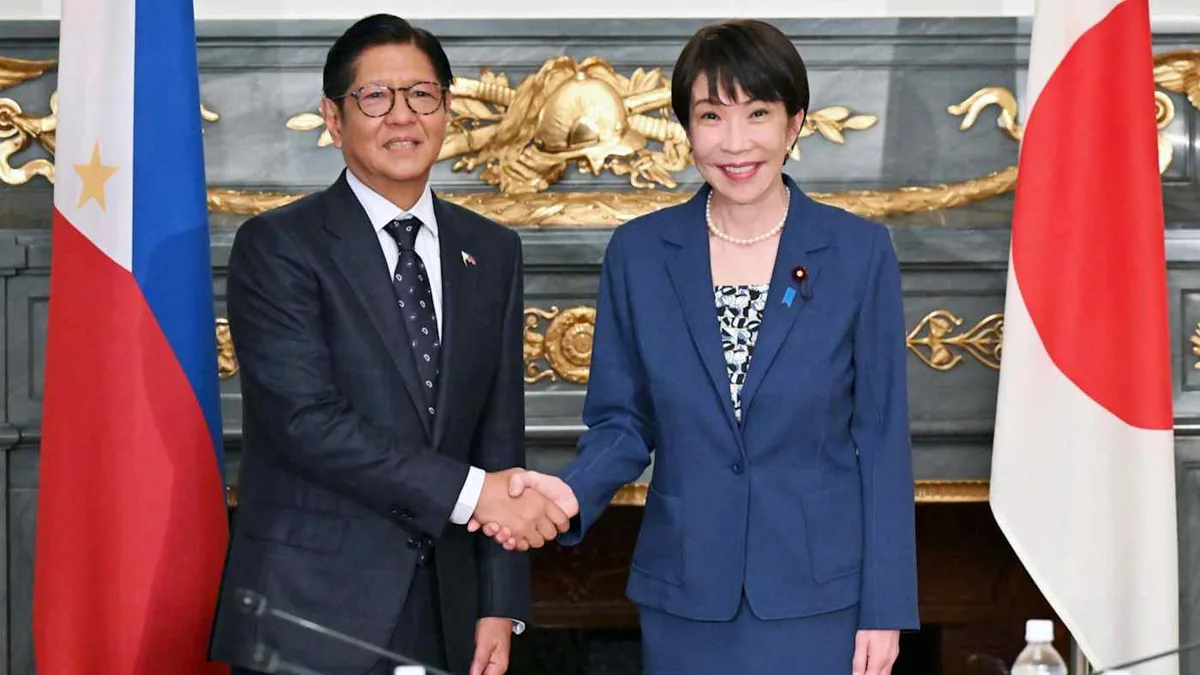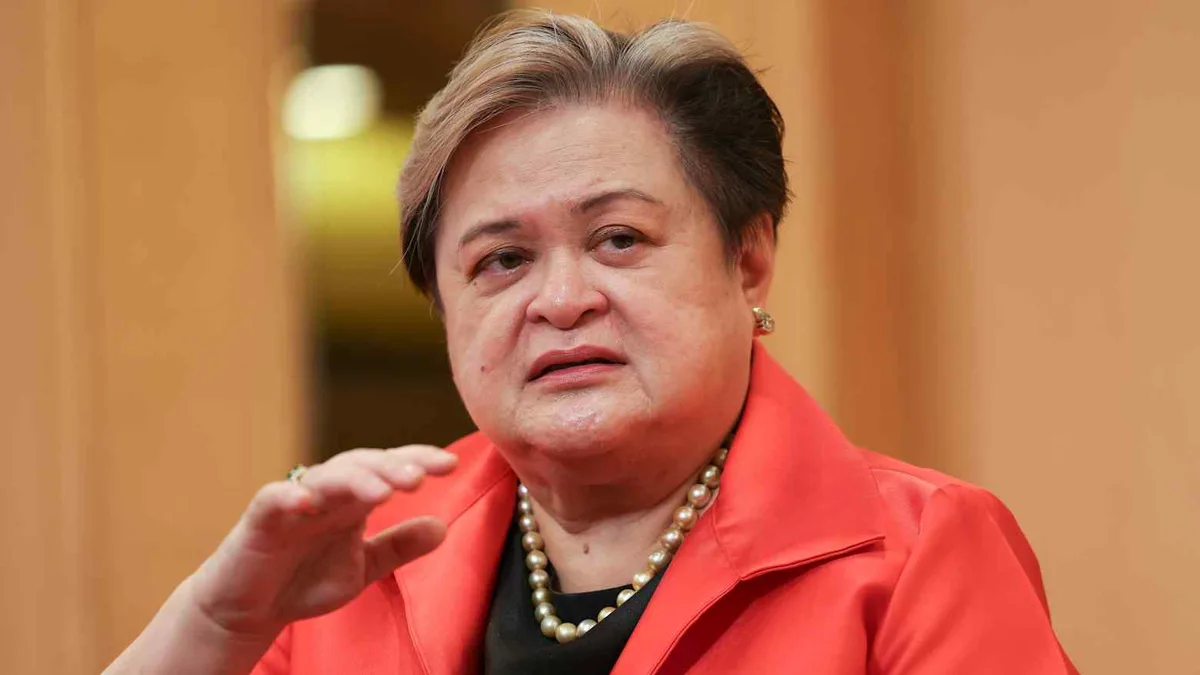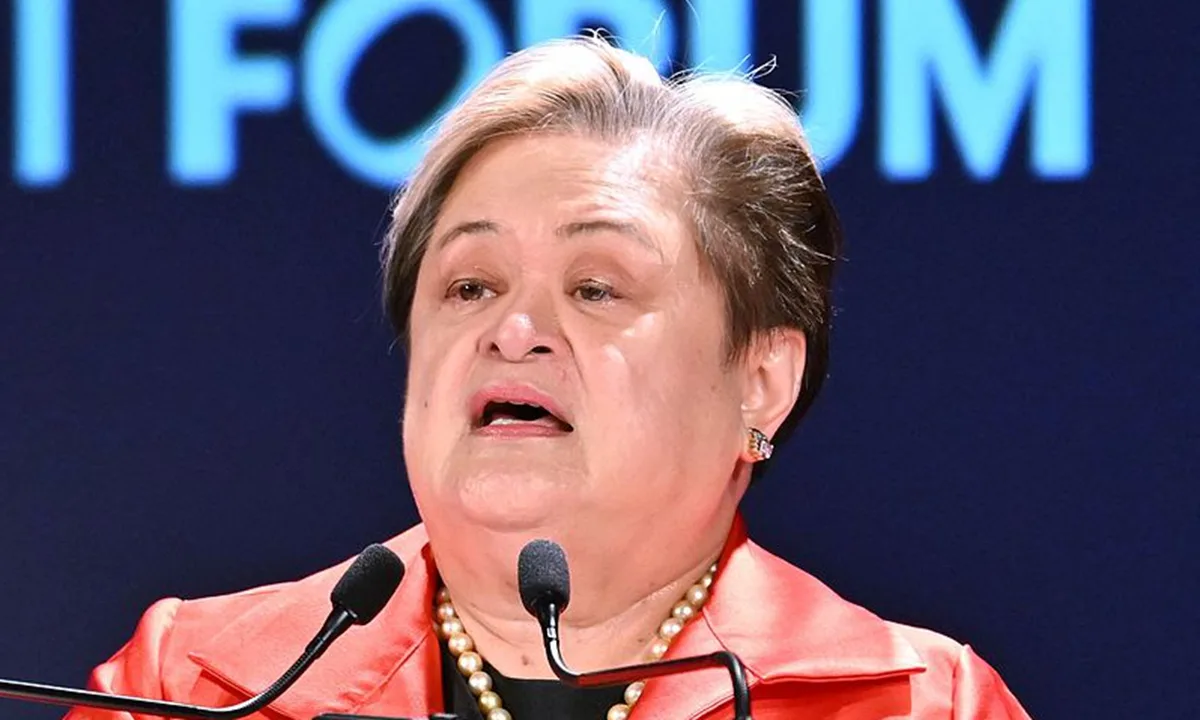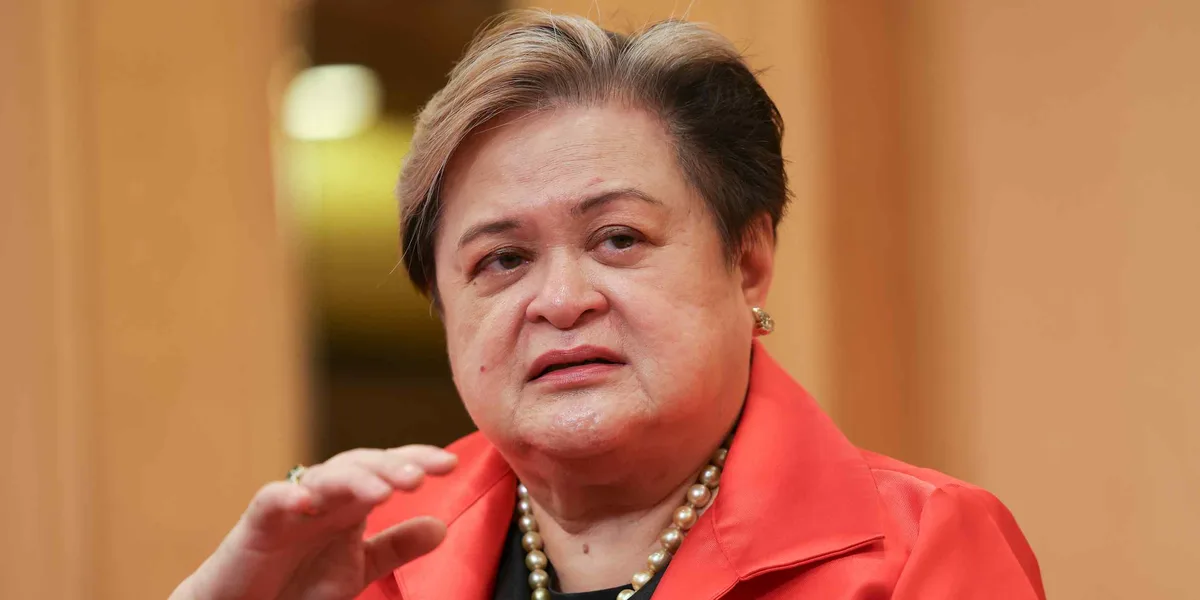
Philippine Secretary of Foreign Affairs Maria Theresa Lazaro stressed the importance of clearly delimiting maritime boundaries between the Philippines and Japan for the country's national defense during remarks on June 10 at the Nikkei Forum in Tokyo [1, 2].
Lazaro reiterated in an interview on June 11 that the maritime boundary discussions are purely bilateral and have "nothing to do" with China [1, 2]. She expressed concern about increasing Chinese vessel activities near waters close to Taiwan [2].
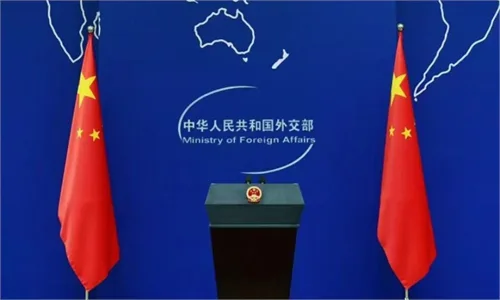
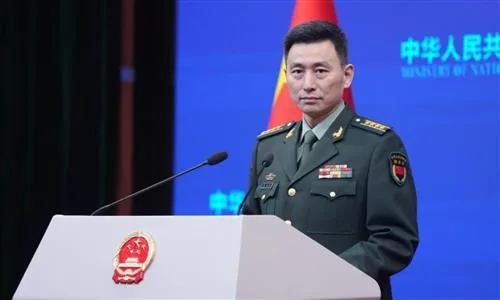
China criticized the talks, with Chinese expert Ding Duo stating on June 11 that the delimitation discussions violate international law, including the Vienna Convention on the Law of Treaties and the United Nations Convention on the Law of the Sea, by ignoring China's interests in waters east of Taiwan [2].
Ding accused the Philippines and Japan of breaching their "obligation of restraint" and the "principle of good faith" by proceeding without involving China in the talks [2].
The dispute reflects contrasting interpretations: the Philippines maintains the negotiations are bilateral and unrelated to China, while China insists the area under discussion includes waters of its strategic concern and thus demands inclusion in the process [1, 2].
The Philippine government views the boundary delimitation as crucial to securing its maritime claims and reinforcing national defense, against the backdrop of heightened activity by Chinese vessels near Taiwan’s waters [2].
The talks continued through mid-June, with no public indications of compromise or expanded participation as of June 11 [2].