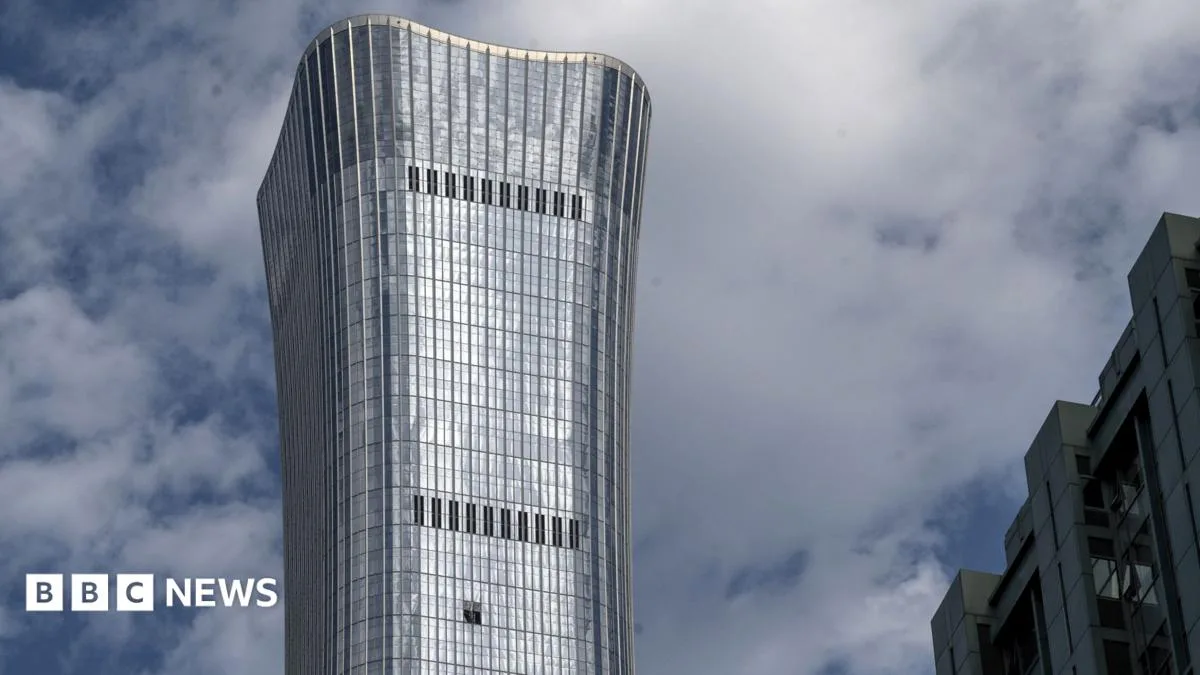
A light sport aircraft crashed into the CITIC Tower, Beijing's tallest skyscraper at 528 meters, on June 26, killing the 66-year-old pilot and injuring 13 others [1, 2, 3, 4]. The crash occurred around 17:55-18:00 local time. Authorities identified the pilot as Liu, a divorced Beijing resident who lived alone and worked as a freelancer [1, 5, 2, 3, 4].
Liu had long suffered from chronic insomnia and anxiety. Investigators found his diary contained multiple references to suicidal thoughts and ending his life [1, 6, 2, 7, 8, 9, 3, 4]. He held a sport pilot license obtained in 2021 and a private license in 2024 [1, 2, 7, 8, 9, 3, 4].
On the day of the crash, Liu took off from a general aviation airport in Beijing's Pinggu district. He conducted both accompanied and solo flights before deviating from the approved flight area and losing contact with air traffic control [1, 2, 7, 8, 9, 3, 4]. The aircraft was a domestically produced Sunward Aircraft Aurora SA60L, a two-seat, single-engine light sport plane [1, 2, 3, 4].
The impact injured 13 people, one of whom has since been discharged from hospital. None of the injuries were life-threatening [1, 2, 3, 4]. The pilot died at the scene [1, 5, 2, 7, 4].
The crash raised serious security concerns given the proximity to key government sites, including Zhongnanhai, the Communist Party headquarters [1, 2, 7, 8, 9, 3]. Authorities quickly removed photos and videos of the incident from Chinese social media, and aviation companies suspended light aircraft operations amid the investigation [1, 2, 7, 8, 9].
The Beijing Chaoyang district government said, “This was an incident endangering public safety caused by personal reasons” [1]. Investigators concluded Liu deliberately crashed the aircraft citing personal and mental health issues [1, 5, 3, 4].
Emergency and aviation authorities continue to review safety protocols near sensitive government areas as investigations proceed.