Kenya’s Energy and Petroleum Regulatory Authority raised retail fuel prices by up to 23.5% last week, after a 24.2% increase the previous month, citing disruptions from the Iran war to global oil supplies [1, 2, 3]. Fuel costs for super petrol and diesel in Nairobi now stand at 214.25 and 242.92 Kenyan shillings per litre for the May 15 to June 14 pricing cycle [1].
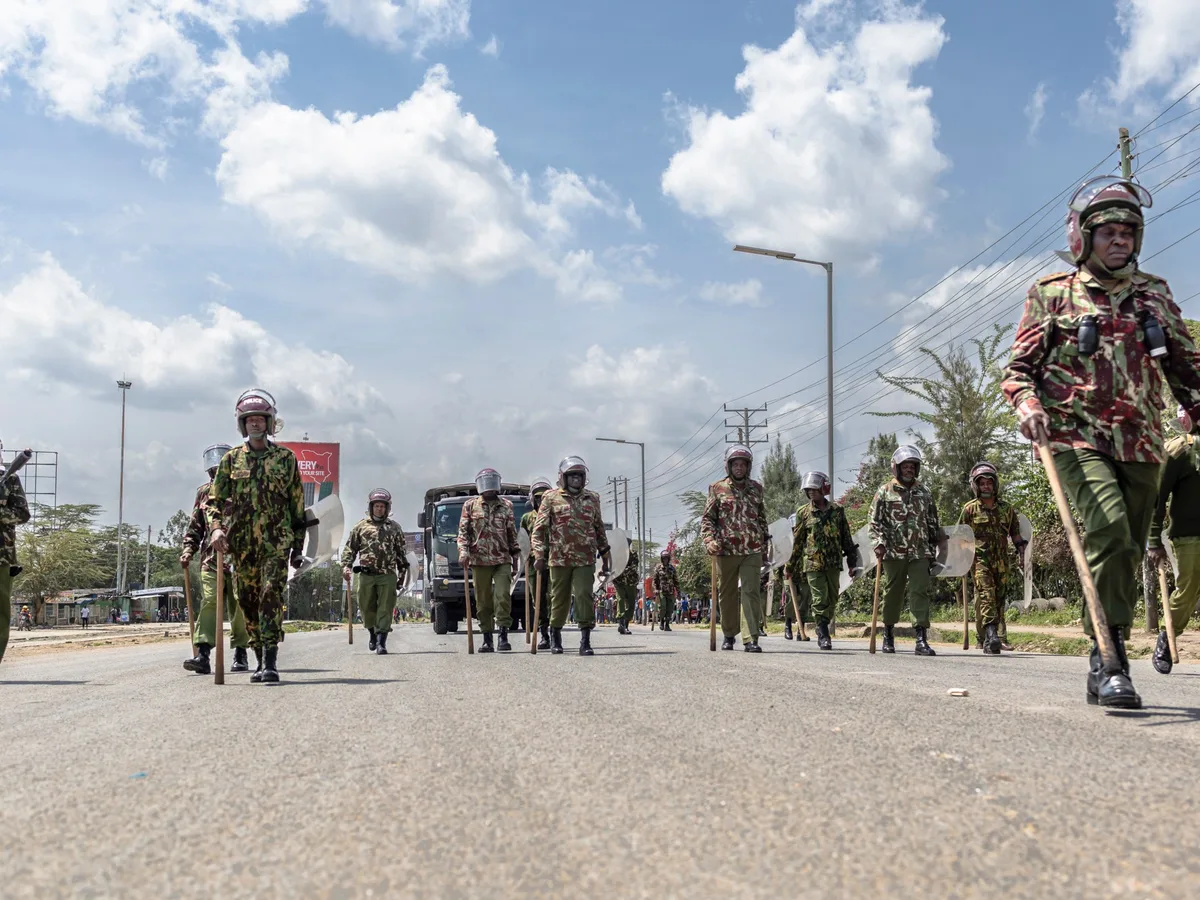
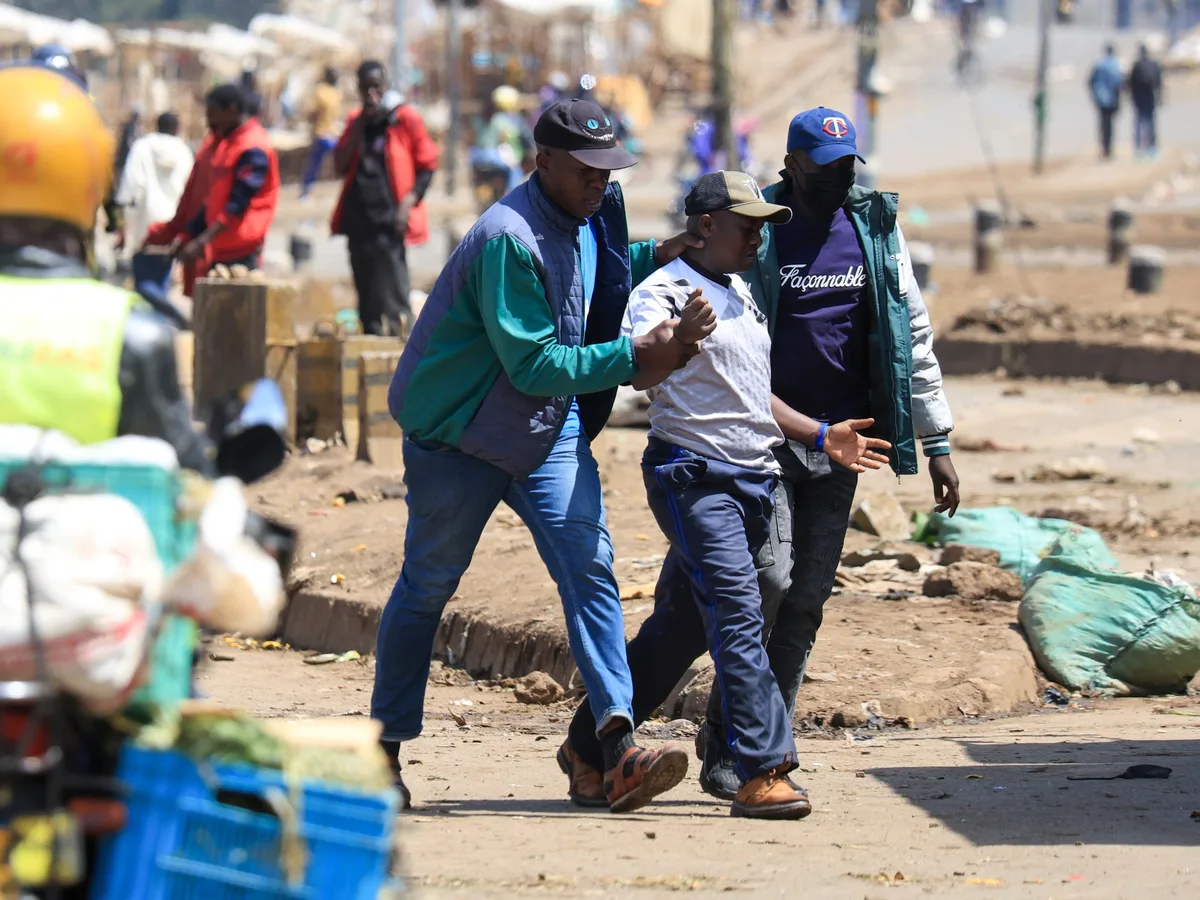
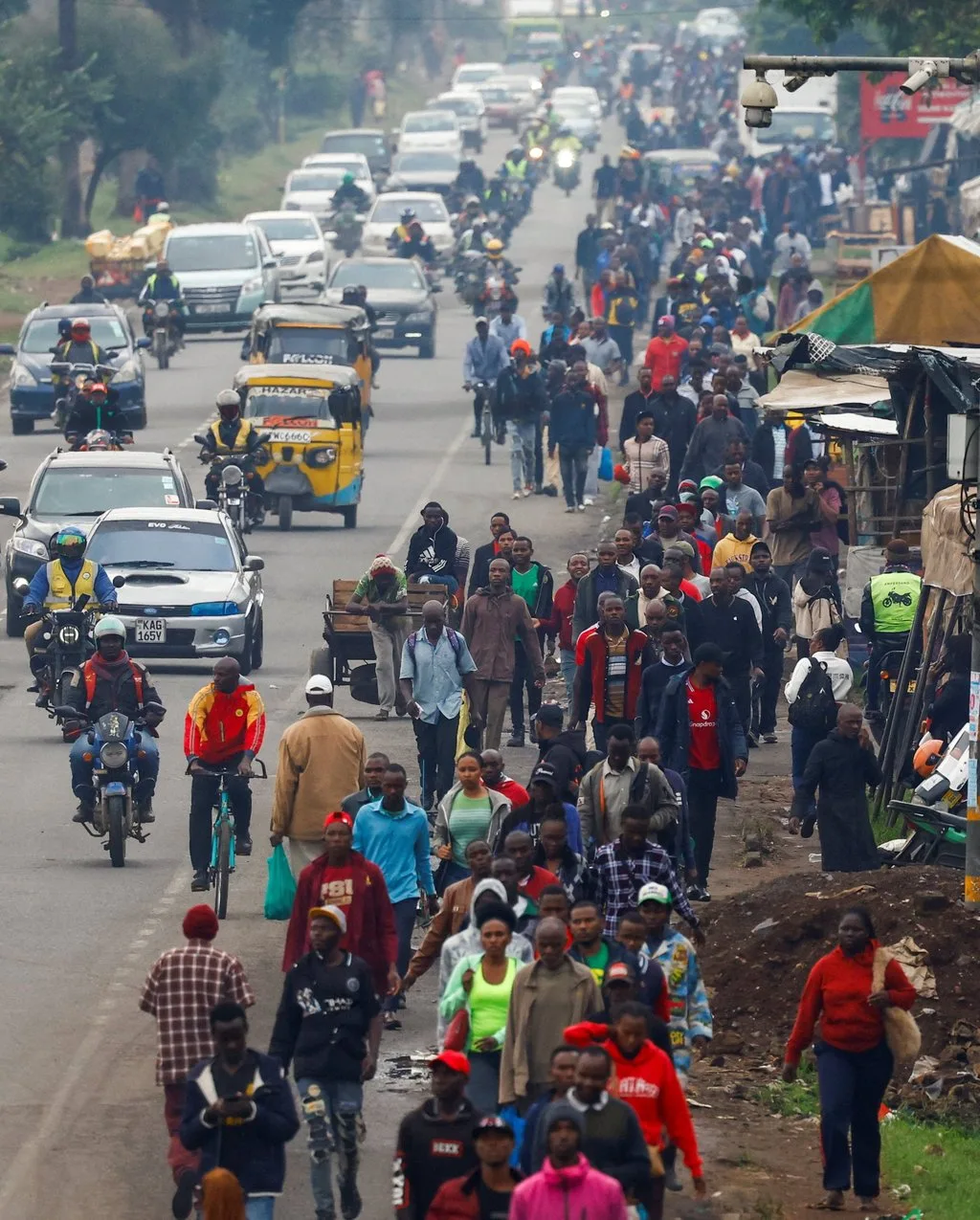
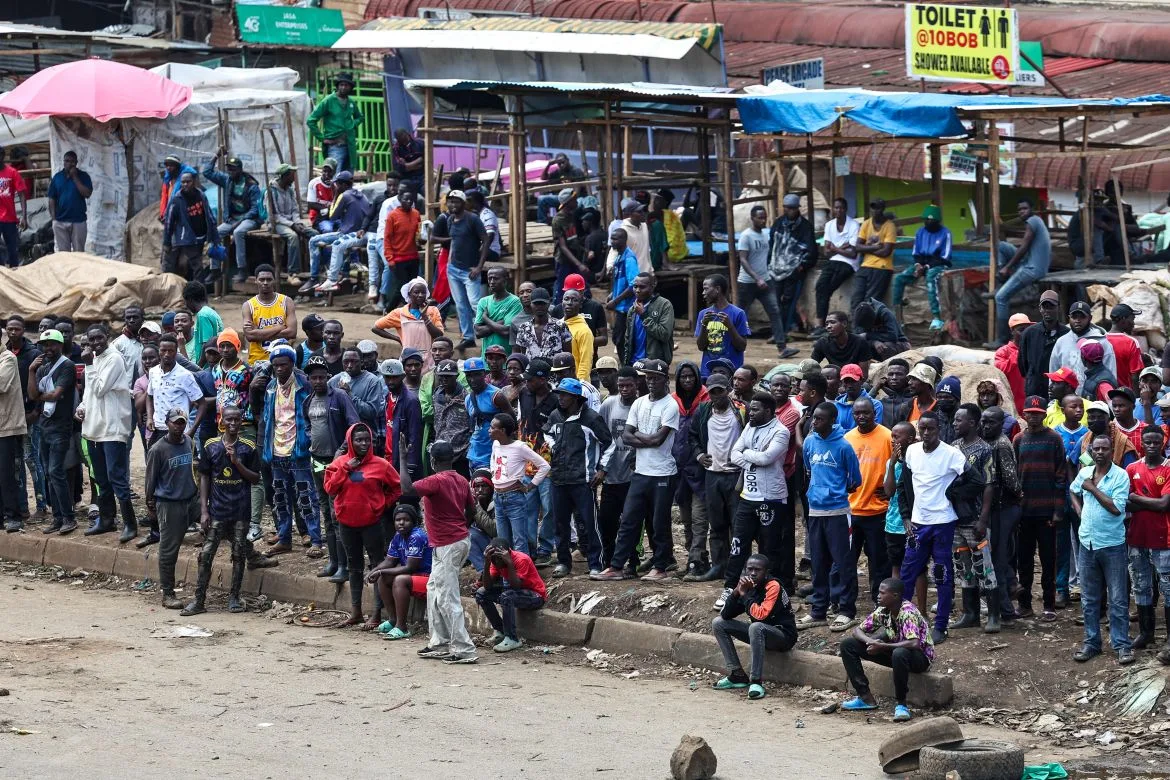
On May 18, a nationwide transport strike began, led by the Transport Sector Alliance and matatu bus operators. The strike protested these fuel price hikes and brought major cities such as Nairobi and Mombasa to a near standstill. Protesters blocked roads and burned tyres while police responded with tear gas to disperse crowds [1, 4, 2, 5, 3]. "This demonstration has brought the city to a near standstill," said Al Jazeera reporter Malcom Webb from Nairobi on May 18 [2].
Violence erupted during the protests, with at least four people killed and around 30 injured that day, according to Kenya’s Interior Minister Kipchumba Murkomen. He stated, "We lost four Kenyans in today’s violence, which also saw more than 30 people injured" [6, 2, 7, 5, 8]. Political sources reported 348 arrests connected to the protests by the evening of May 18, though some put the figure above 700 by the following day [2, 5, 8]. Human rights groups including Amnesty International condemned the use of lethal force by security forces during the protests [5].
Kenya imports nearly all of its fuel from the Middle East through government deals. The Iran war and blockade of the Strait of Hormuz have exacerbated supply disruptions, pushing fuel prices higher and triggering increases in transport, food, and basic goods costs, straining Kenyan households [1, 2, 5, 3, 9, 8].
On May 19, the government and transport unions agreed to suspend the strike for one week to allow negotiations. Interior Minister Murkomen said, "The strike that is going on is suspended for a period of one week to provide an avenue for consultations and negotiations between the government and stakeholders" [10, 5, 11]. The government also agreed to reduce diesel prices by about 10 Kenyan shillings per litre, short of the unions’ demand for a 46 shilling cut [11].
The suspension of the strike allows talks to continue amid ongoing economic pressures and public unrest in Kenya.