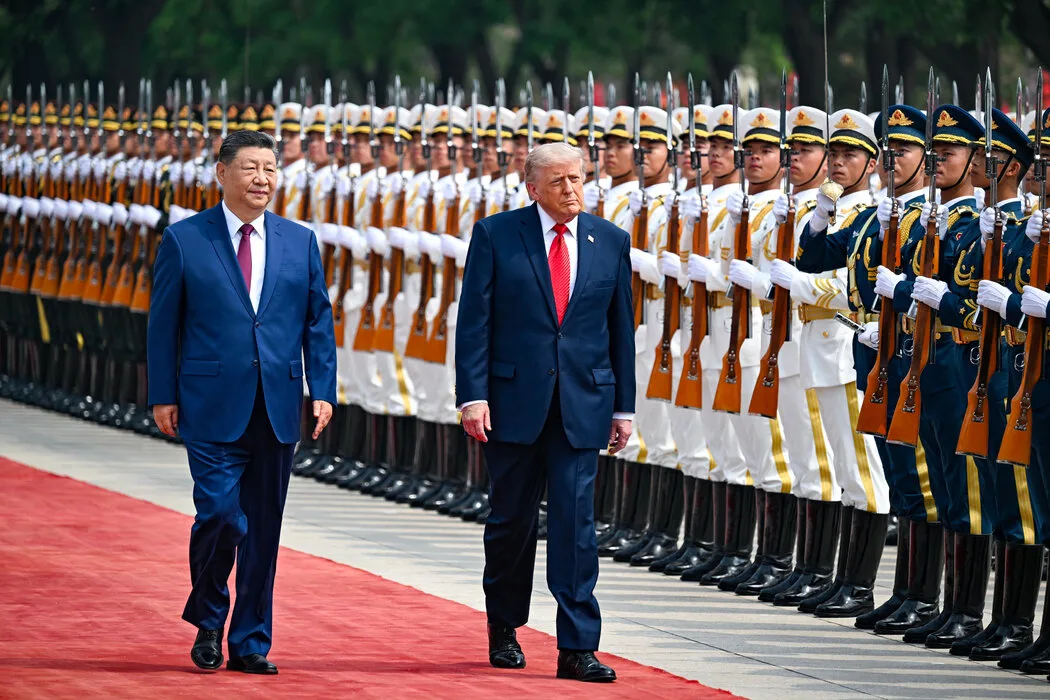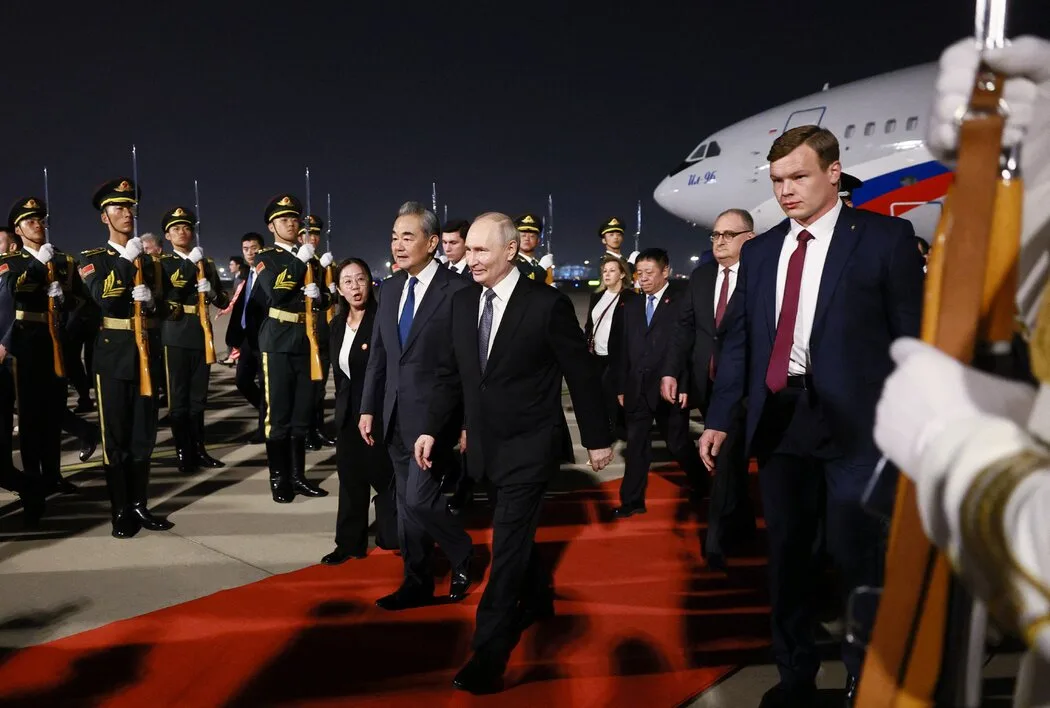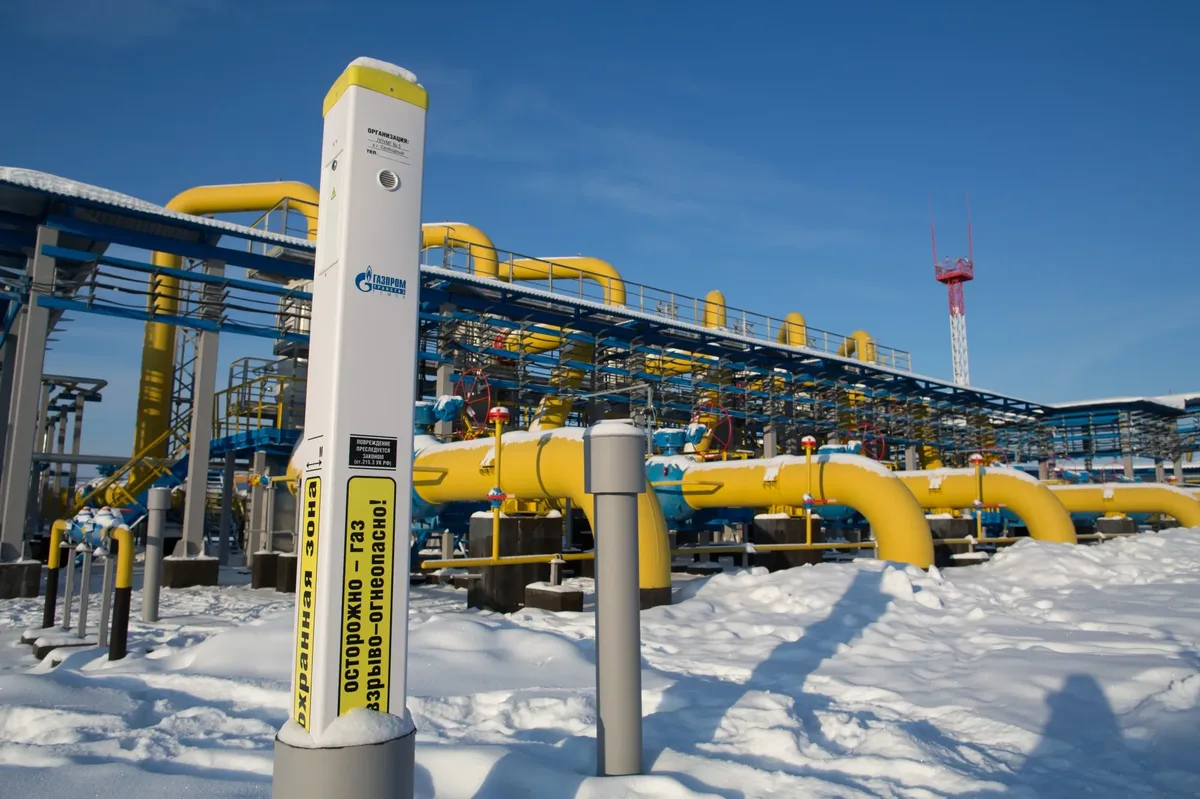
Russian President Vladimir Putin met Chinese leader Xi Jinping in Beijing on May 20, 2026, to discuss the long-delayed Power of Siberia 2 natural gas pipeline project amid tensions raised by the Iran war energy crisis [1, 2, 3, 4]. The pipeline would carry gas from Russia’s Arctic Yamal Peninsula through Mongolia to northeast China, spanning over 4,000 kilometers across the three countries [5, 4]. It is designed to transport about 50 billion cubic meters of gas annually, roughly matching the capacity of the now-dormant Nord Stream 1 pipeline to Europe [5, 4, 6].
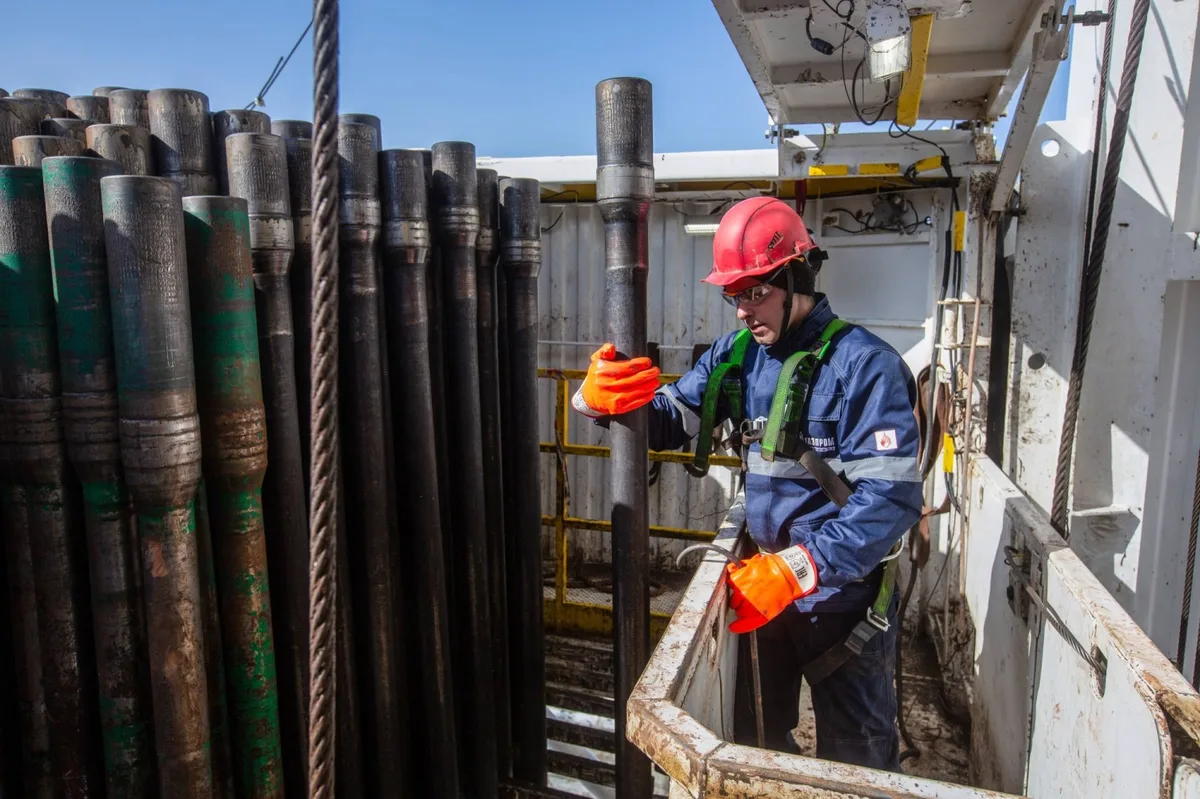
Estimated construction costs for the pipeline sections through Russia and Mongolia are around $34 billion, making it one of the largest and most capital-intensive gas infrastructure projects globally, according to Gazprom CEO Alexey Miller [5]. The pipeline includes approximately 2,600 kilometers within Russia and nearly 1,000 kilometers through Mongolia [5, 4].
Russia views the pipeline as crucial to replacing lost gas exports to Europe due to Western sanctions and the Ukraine war, while China sees it as a way to diversify its energy imports away from dependence on Middle Eastern LNG supplies [1, 5, 4]. However, Chinese officials remain cautious about depending too heavily on a single Russian supplier, slowing negotiation progress [2, 6]. Moscow and Beijing have disagreed on pricing, financing terms, and delivery timelines, preventing a final accord [1, 3, 6].
Putin arrived in Beijing on May 19 for state talks aimed at deepening bilateral ties and discussing the stalled pipeline [2, 3]. Kremlin aide Yuri Ushakov said the gas project was "on the agenda," with leaders expected to discuss it in "great detail" [3]. China’s Foreign Ministry called the meeting an opportunity to "inject more stability and positive energy into the world" through strengthened relations [2].
Following the talks on May 20, Russia and China announced an understanding on the pipeline’s route and construction framework but left commercial and financial terms unresolved with no set timeline for agreement [4, 6]. Energy expert Lyle Morris described the lack of a breakthrough as an embarrassment for Putin [6].
The pipeline is not expected to be operational before 2030 due to the complex construction and ongoing negotiations [5, 4]. During the summit, Russia and China signed over 40 bilateral agreements covering trade, education, technology, and nuclear security alongside energy cooperation [6].
Putin departed Beijing on May 21 without a final pipeline agreement. While both sides highlighted the importance of energy ties, key issues remained outstanding, signaling more talks will be needed before Power of Siberia 2 moves forward [6].