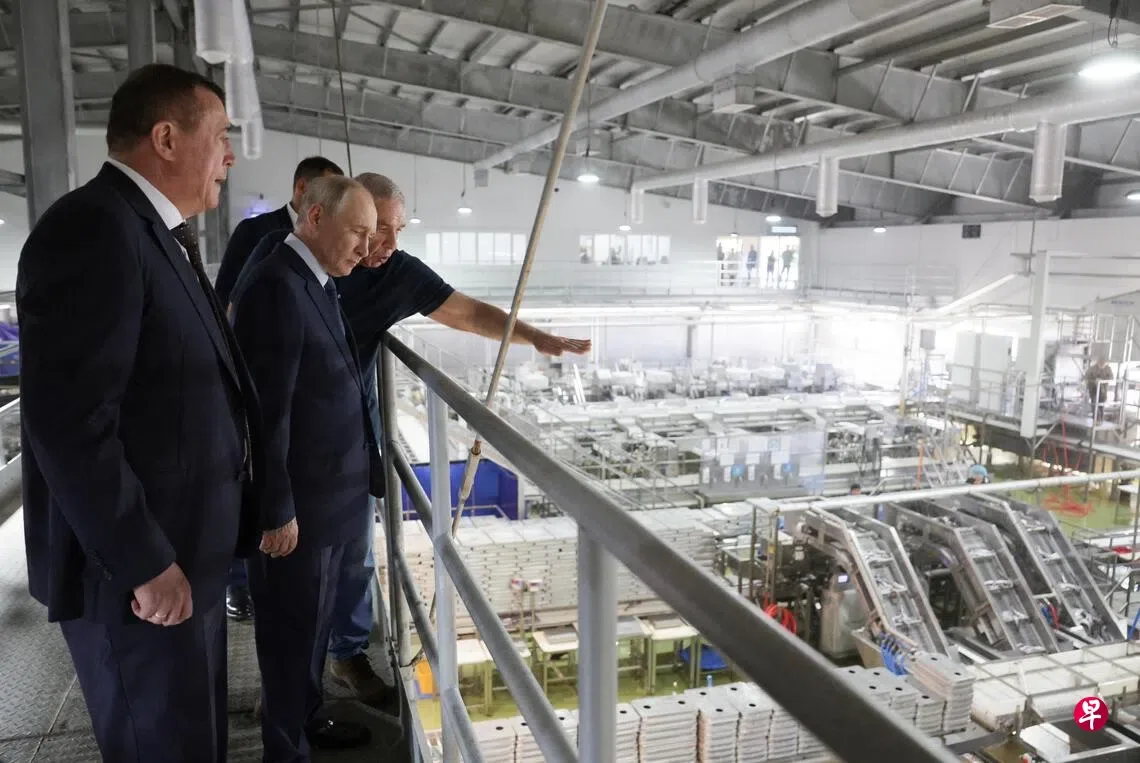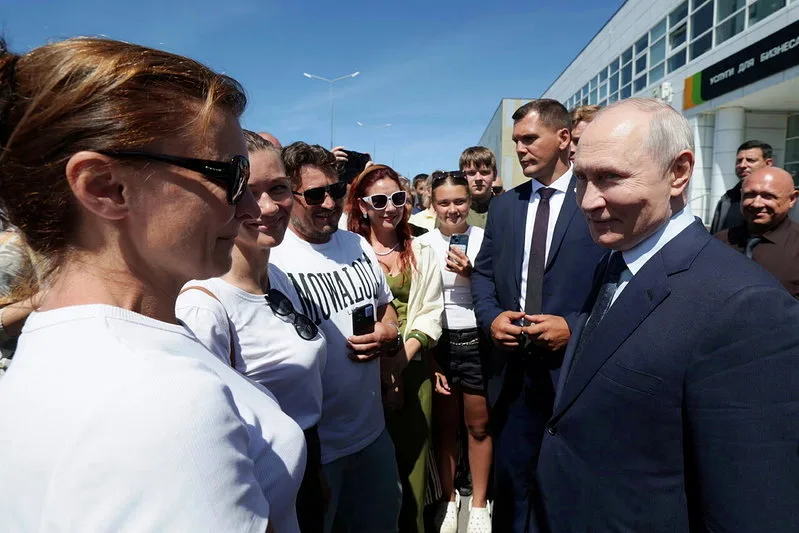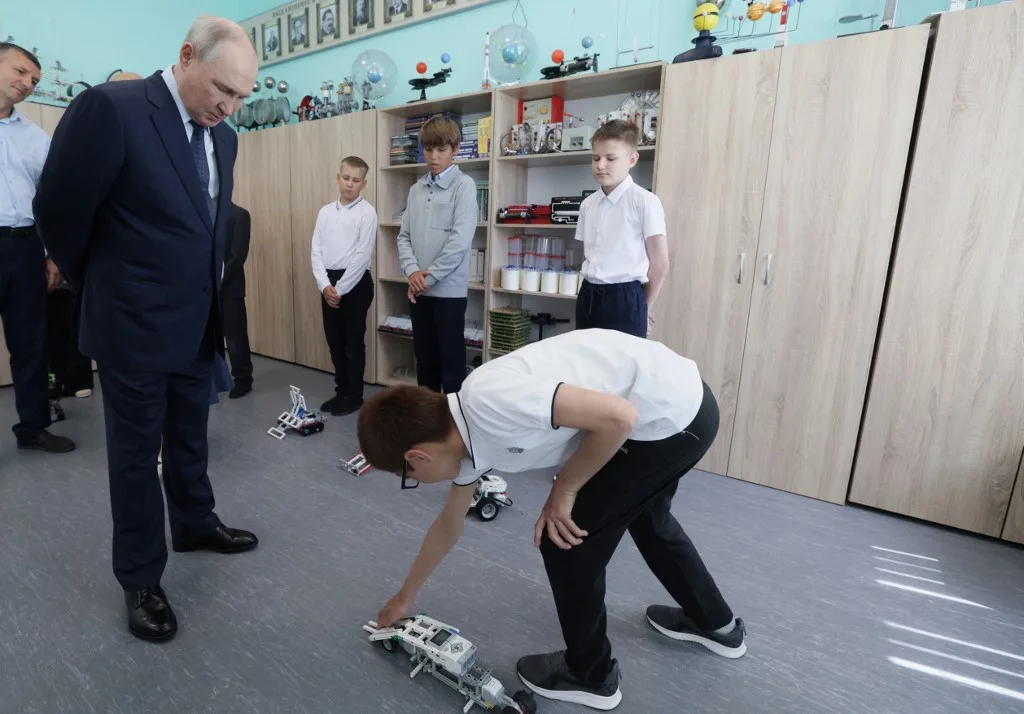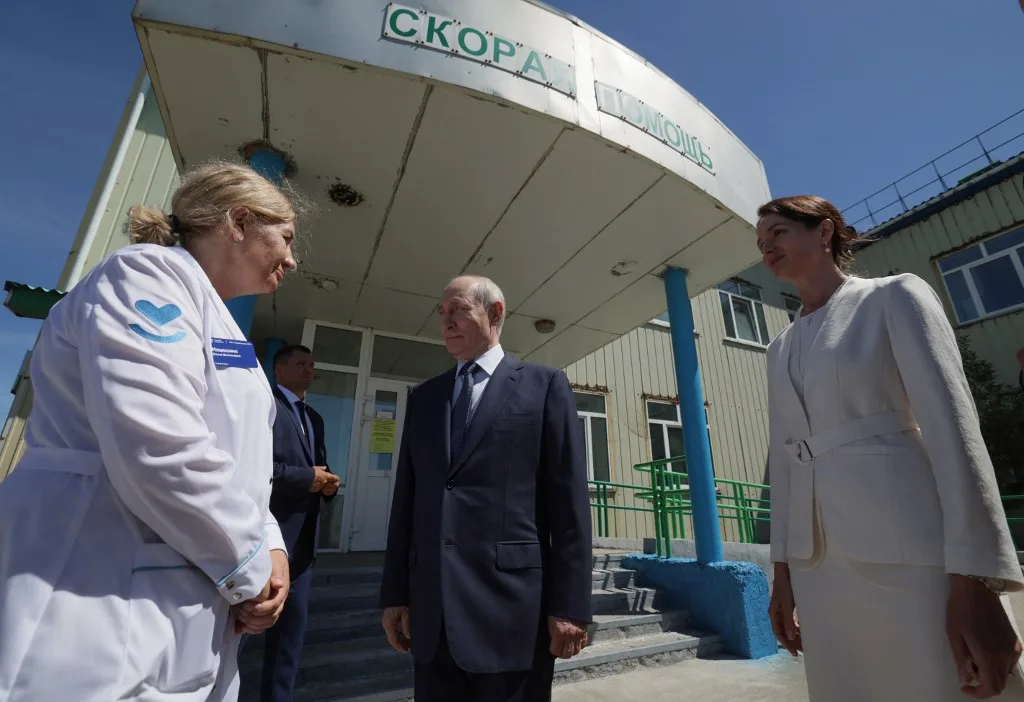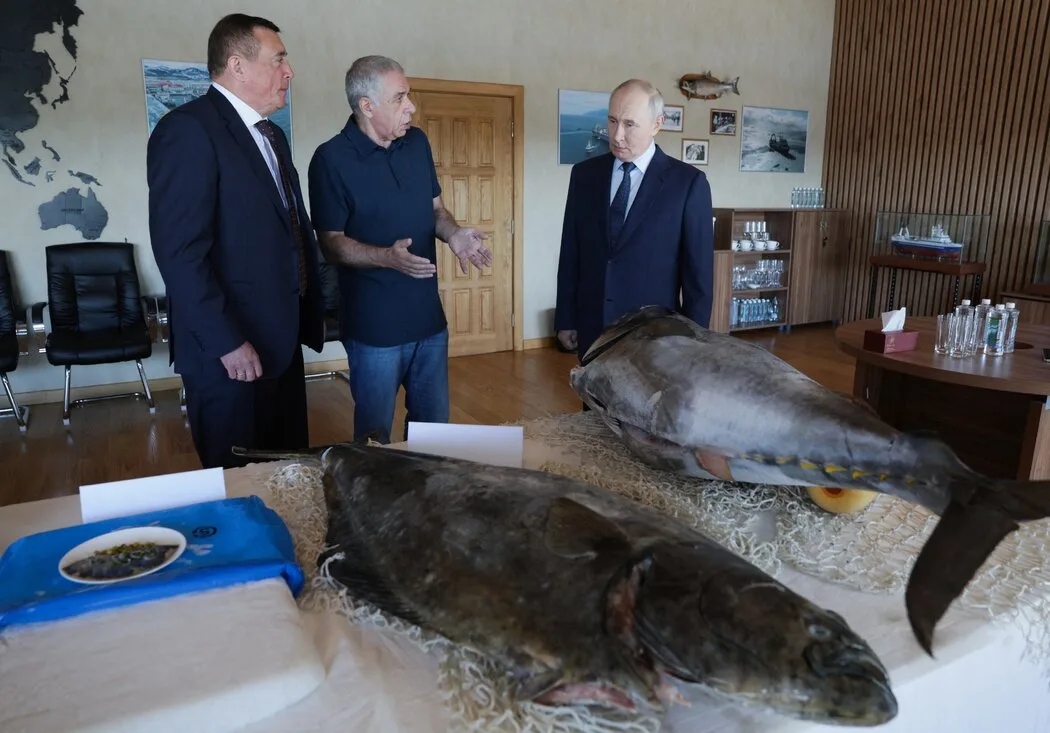
Russian President Vladimir Putin visited Iturup Island, part of the disputed Kuril Islands, on August 13, marking his first visit to the islands claimed by both Russia and Japan [1, 2, 3, 4, 5]. During the visit, Putin inspected a seafood processing plant and tasted local products such as caviar, highlighting the region's economic activities [1, 2, 3, 6, 7].
The day before, on August 12, Putin observed Russian Pacific Fleet military exercises on nearby Sakhalin Island, signaling military readiness in the region [1, 2, 3, 8, 7]. In statements during the visit, Putin reaffirmed Russia's sovereignty claim over the Kuril Islands, saying they are "a post-WWII reality recorded in international documents" and accused Japan of making territorial claims against Russia. He added, "We do not threaten Japan... Japan has made territorial claims against us" [1, 2, 3, 8, 9, 7].
Japan's Prime Minister Sanae Takaichi strongly condemned Putin's visit, saying, "Regardless of history or international law, the Northern Territories belong inherently to Japan. Putin's visit harms Japanese public sentiment and is absolutely unacceptable" [1, 2, 3, 9, 6, 7]. Japan's Foreign Minister Toshimitsu Motegi summoned the Russian ambassador in Tokyo to deliver a "strong protest" over the visit [1, 2, 5, 6, 10, 7].
Russia dismissed Japan's protest. Russian Foreign Ministry spokesperson Maria Zakharova called Japan's reaction "politically inappropriate, insulting and legally baseless," emphasizing that the Kuril Islands are an inseparable part of Russia, transferred after WWII under Allied agreements and the UN Charter [4, 5, 11, 6, 10].
The Kuril Islands, known in Japan as the Northern Territories, include four disputed islands: Iturup (Etorofu), Kunashir, Shikotan, and Habomai [1, 2, 3, 6, 7]. They have been under Russian administration since being occupied by the Soviet Union in 1945. The islands possess military strategic value and rich natural gas and oil resources [1, 9].
The visit further strained already tense Russia-Japan relations, which have deteriorated since Russia's 2022 invasion of Ukraine and Japan's sanctions against Moscow [1, 2, 3, 4, 5, 9, 7]. The US government reiterated strong support for Japan's sovereignty claim over the Northern Territories on August 14 and condemned any actions undermining peace and stability in the Indo-Pacific region [4, 5, 10]. Meanwhile, China expressed support for Russia's position, emphasizing defense of WWII victory outcomes in a joint statement with Russia's ambassador to Japan [4, 11, 10].
Putin's trip is the sixth by a Russian head of state or government to the Kurils, following four visits by former Prime Minister Dmitry Medvedev between 2010 and 2019 and a 2021 visit by current Prime Minister Mikhail Mishustin [1, 2, 3, 7]. Japanese and international media interpret the visit as a political move ahead of Russia's parliamentary elections scheduled for September 18-20 to boost conservative patriotic support [8].