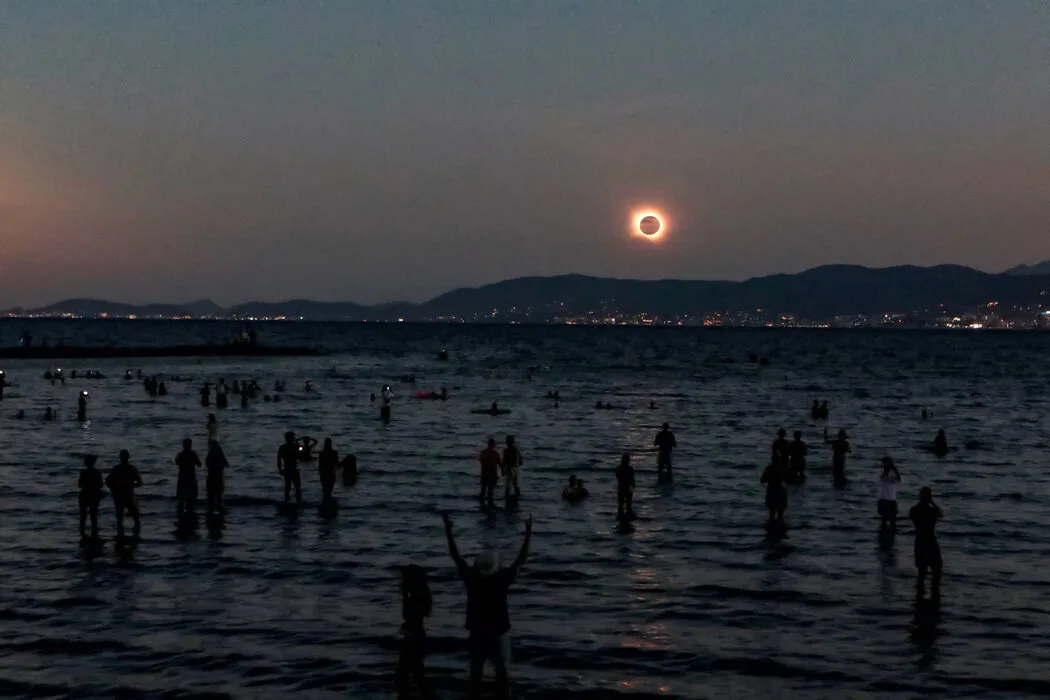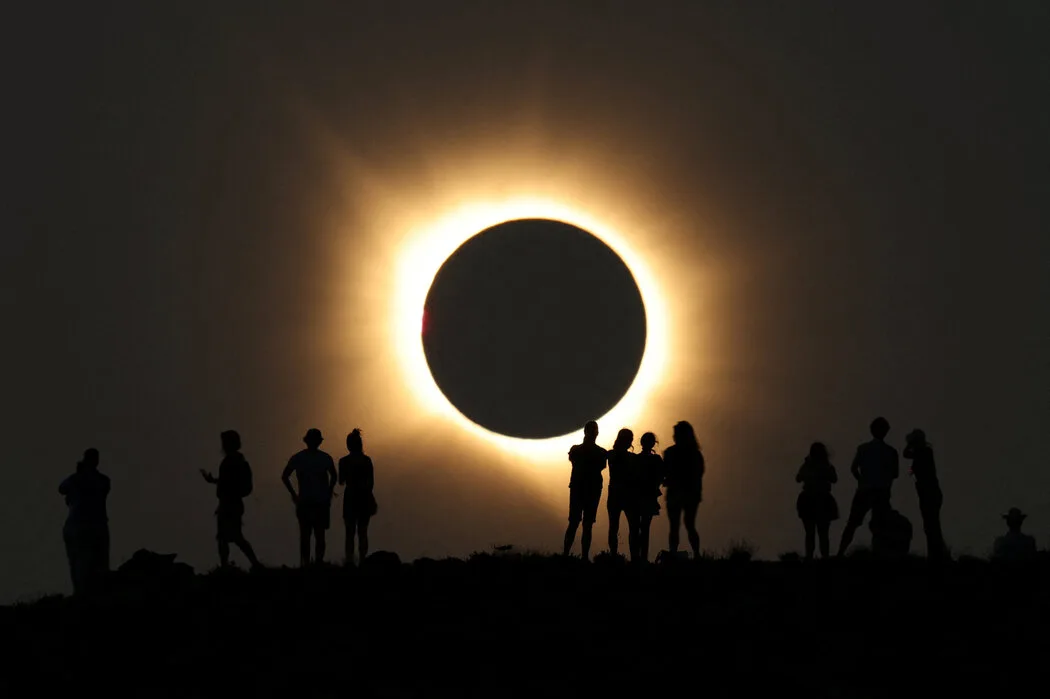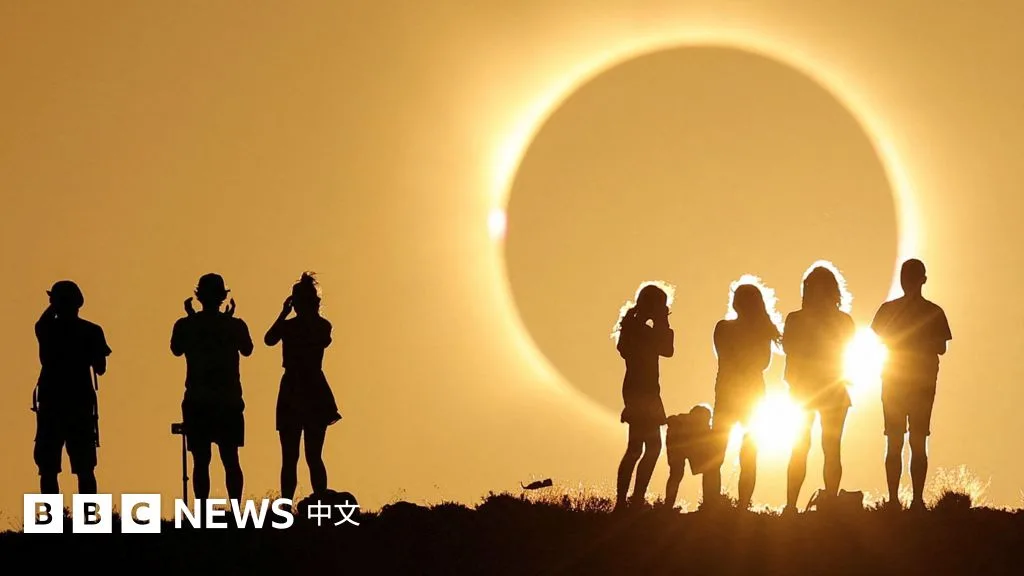
A rare total solar eclipse crossed Europe and the Arctic on August 12, 2026, marking the first total eclipse over Europe in nearly 30 years and attracting millions of viewers. [1, 2, 3, 4]
The eclipse began over the Russian Arctic and Siberia, then moved over Greenland and Iceland—including near Reykjavik and Keflavik—before traveling across the North Atlantic to northern Spain and the Balearic Islands. [1, 2, 3, 4, 5, 6]
Reykjavik experienced its first total solar eclipse in 72 years, with the last one seen there in 1433 and no next total eclipse expected until 2196. [1, 7] About 80,000 visitors, including 31 cruise ships carrying more than 53,000 people, traveled to Iceland to witness the event. [4, 5, 6]
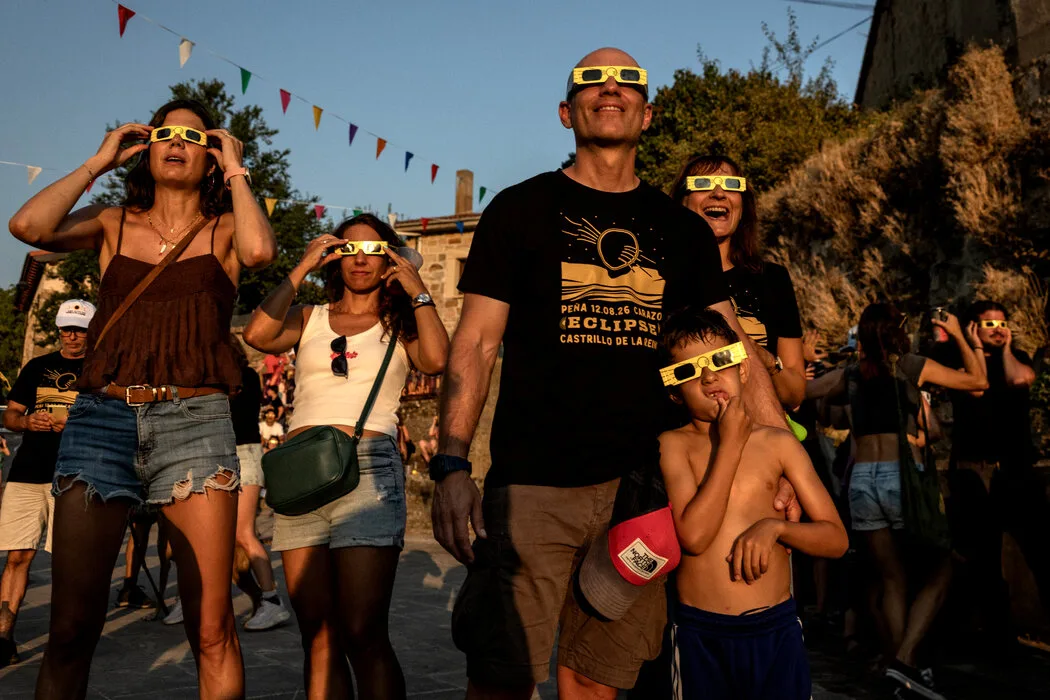
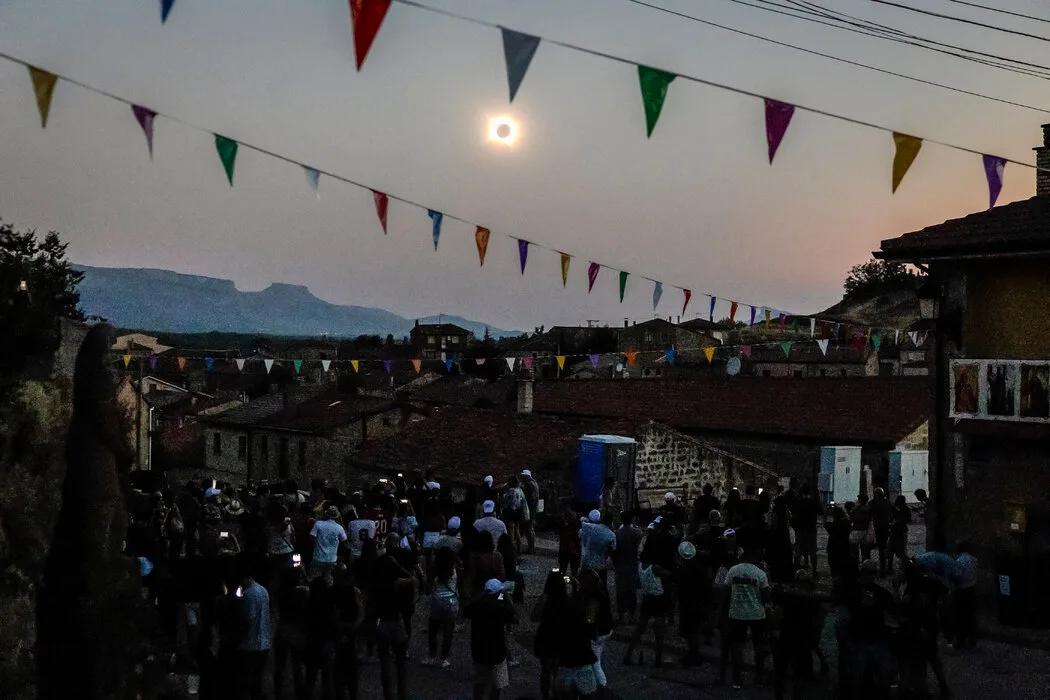
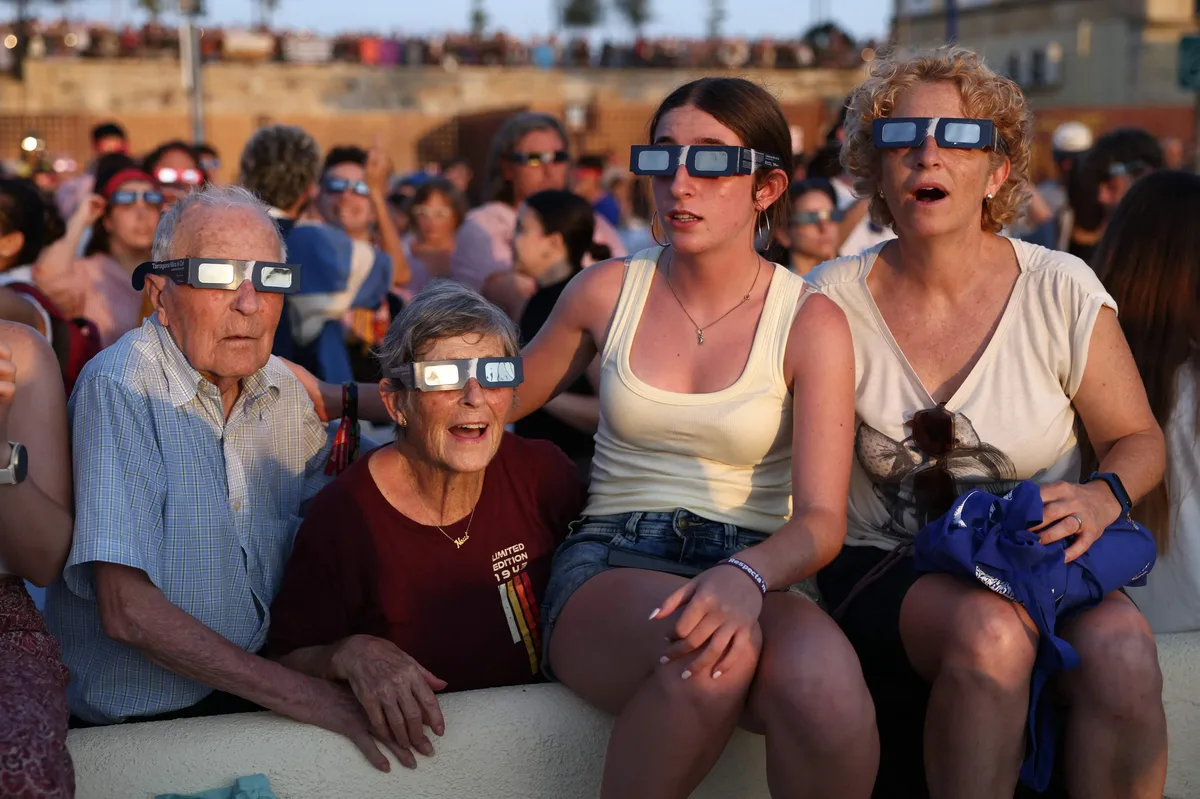
Northern Spain and the Balearic Islands saw totality lasting under two minutes, with darkness descending and temperatures dropping. Observers reported birds falling silent while the solar corona became visible. Spanish astronomer César González said, “这是一次壮观的体验,如果没有亲身经历,根本无法形容看见日食是什么感觉.” [1, 2, 3, 5, 6, 8, 7]
An estimated 6 million people traveled to Spain to view the eclipse. This influx required 25,000 police officers to manage public order and about 100 aircraft were on standby. Tourism spending in Spain is expected to increase by 342 million euros due to the event and associated visitors. [4, 5, 6, 9, 7, 10]
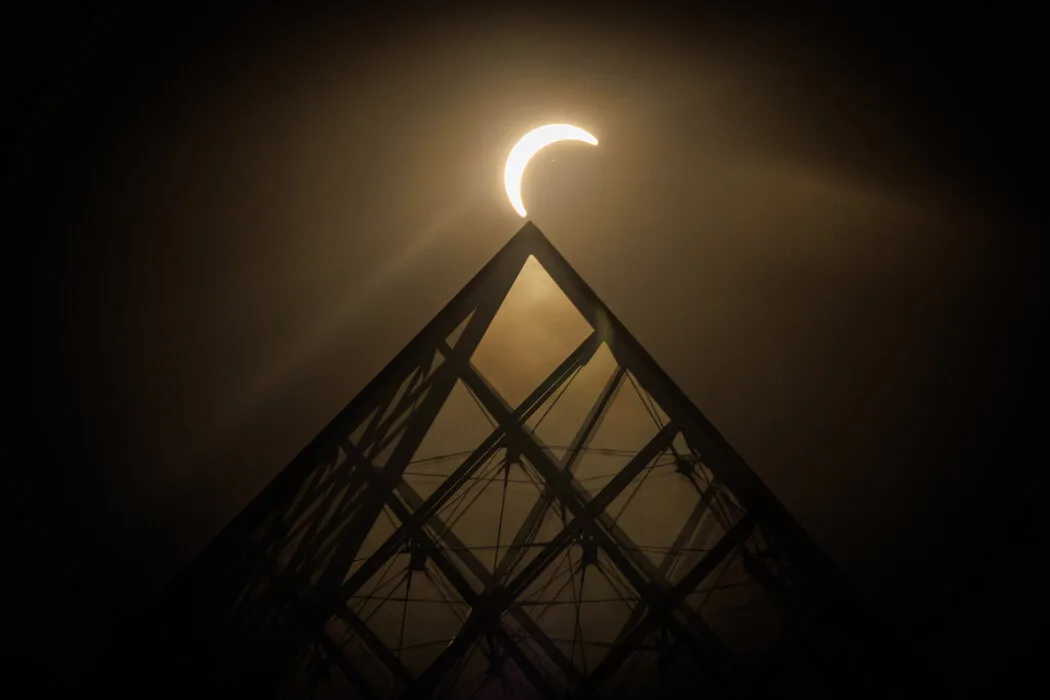
In the UK, a partial eclipse covered roughly 90-95% of the sun, the most striking since 1999. George Burke, a British viewer, called it “the most spectacular eclipse in the UK since 1999.” [2, 8, 11]
Hotels in both Iceland and Spain more than doubled prices for the eclipse night. Reykjavik hotel prices averaged over $1,000 USD, a 140% increase year-over-year, reflecting the huge demand. Helga Maria Albertsdottir, CEO of an Icelandic geothermal spa, said, “需求一直过大,从四面八方涌来。来这里的游客将在地热温泉池中观看日全食.” [9, 10]
Eclipse glasses sold out days before across Europe, leading many to use DIY methods like cereal boxes and sieves to safely view the sun’s partial coverage. [2, 8, 11]
NASA supported the event with WB-57 high-altitude aircraft tracking the moon’s shadow and launched balloons to study atmospheric cooling caused by the eclipse’s sudden darkness. [4, 5, 6]
The cosmic coincidence allowing this eclipse is due to the Sun being about 400 times farther yet 400 times larger in diameter than the Moon, letting them appear about the same size in the sky. [2, 8, 7, 11]
The 2026 eclipse is the first of a series of total eclipses until 2028, including a major eclipse over Spain and North Africa in 2027 and another over Australia and New Zealand in 2028. [2, 8, 11]
Despite some local cloud and rain concerns in parts of Iceland and other areas, many observers experienced clear views of the eclipse across the path. [3, 4, 7]
Totality reached northern Spain around 20:30 CEST on August 12, causing brief darkness and a drop in temperature. The partial eclipse in the UK peaked that evening. [2, 8, 7, 11]