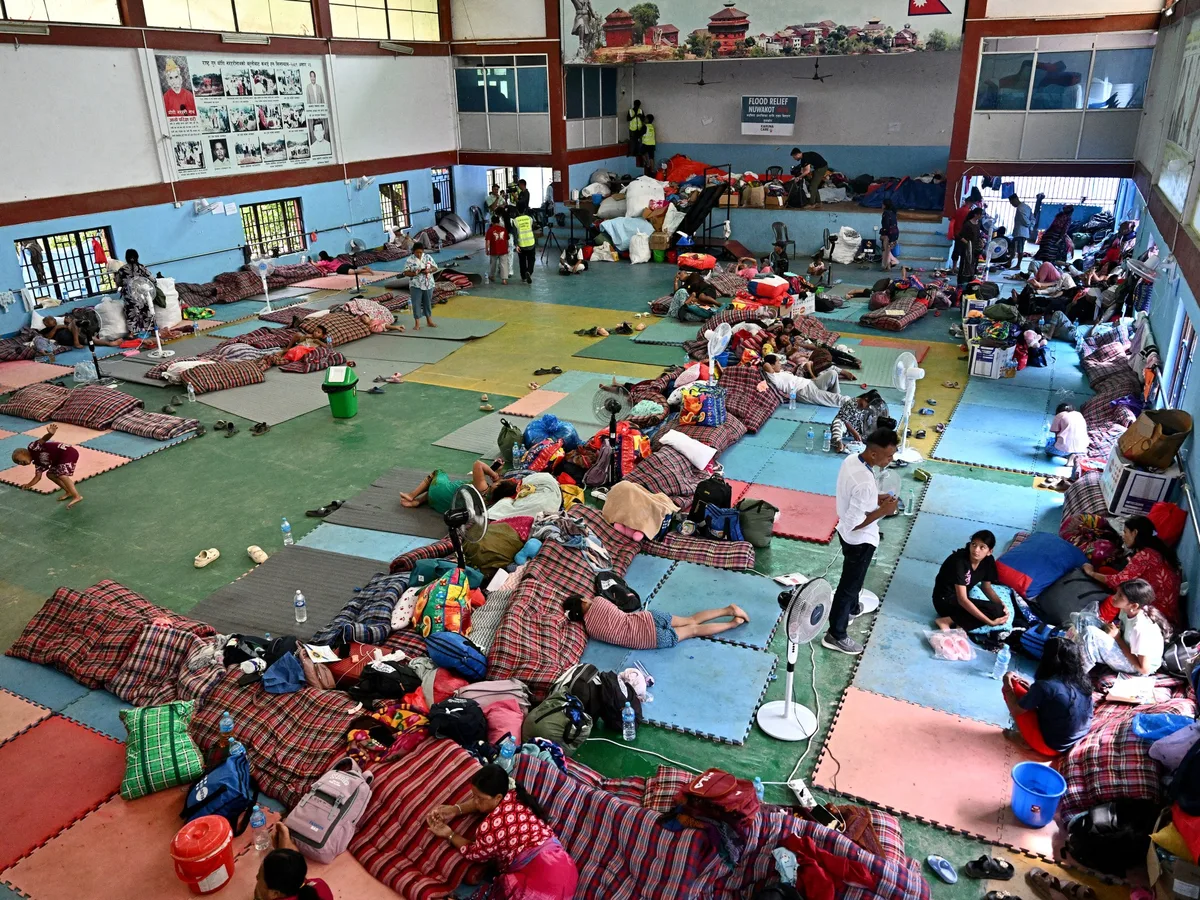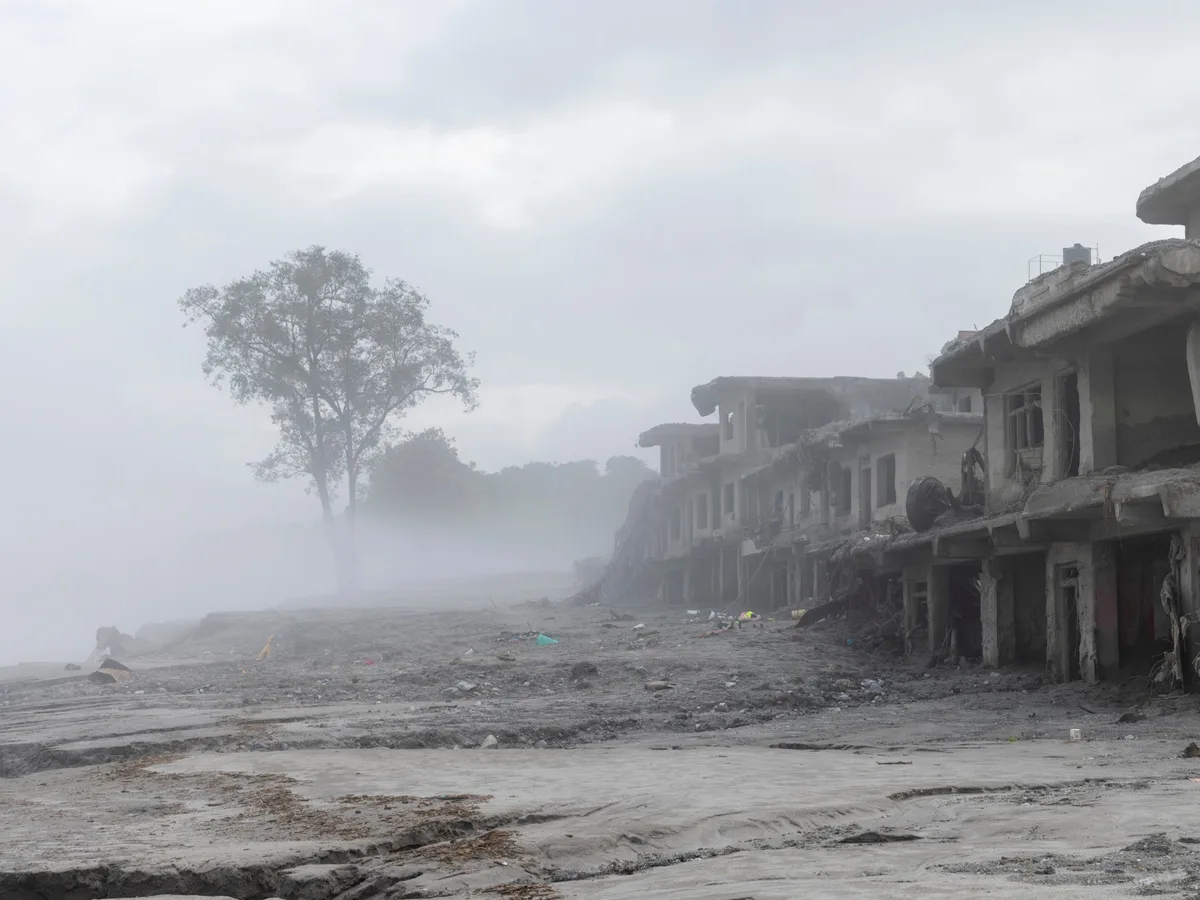
Massive floods triggered by a glacial and rock collapse on August 26, 2026, devastated parts of Nepal and Tibet, killing more than 1,380 people and leaving about 5,500 missing [1, 2, 3, 4, 5, 6, 7]. The disaster caused severe damage, including the collapse of over 40 bridges and destruction of roads, markets, and hydropower dams in areas such as Betrawati and Rasuwa district in Nepal [1, 2, 3, 6, 7].
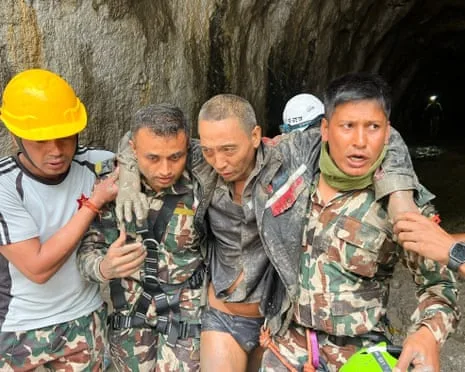
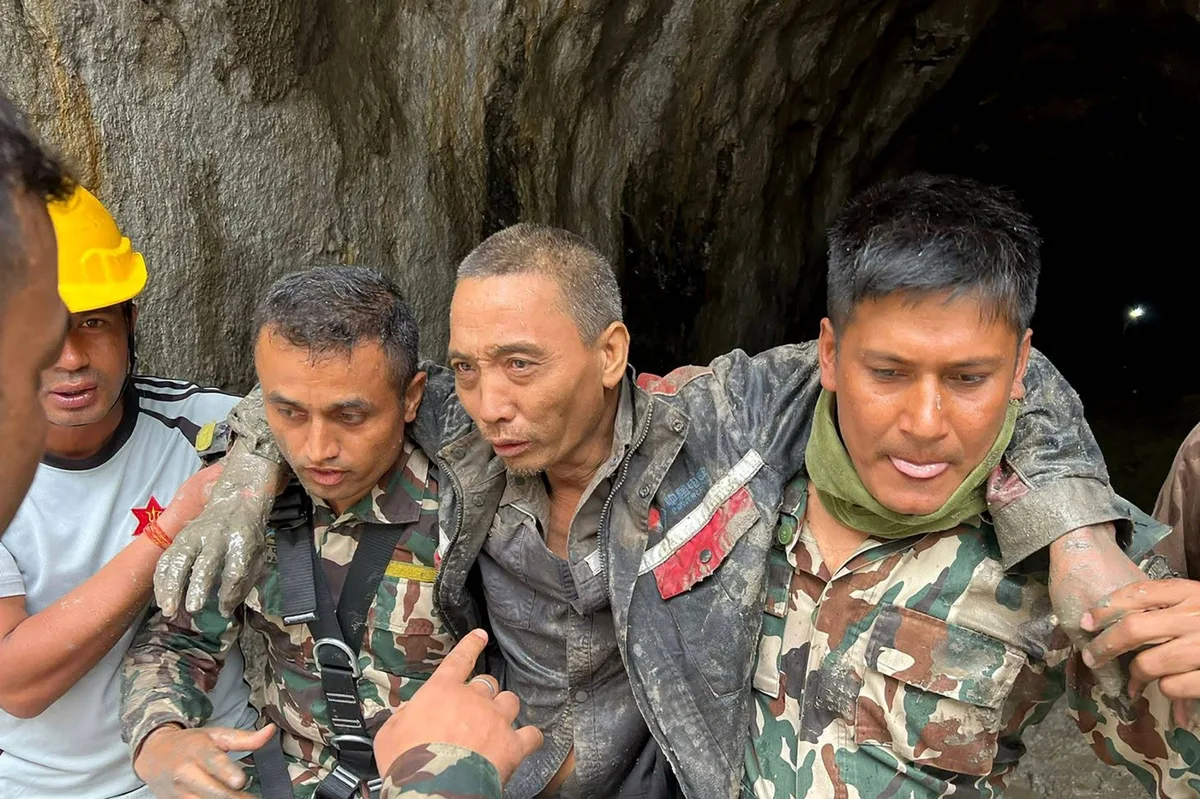
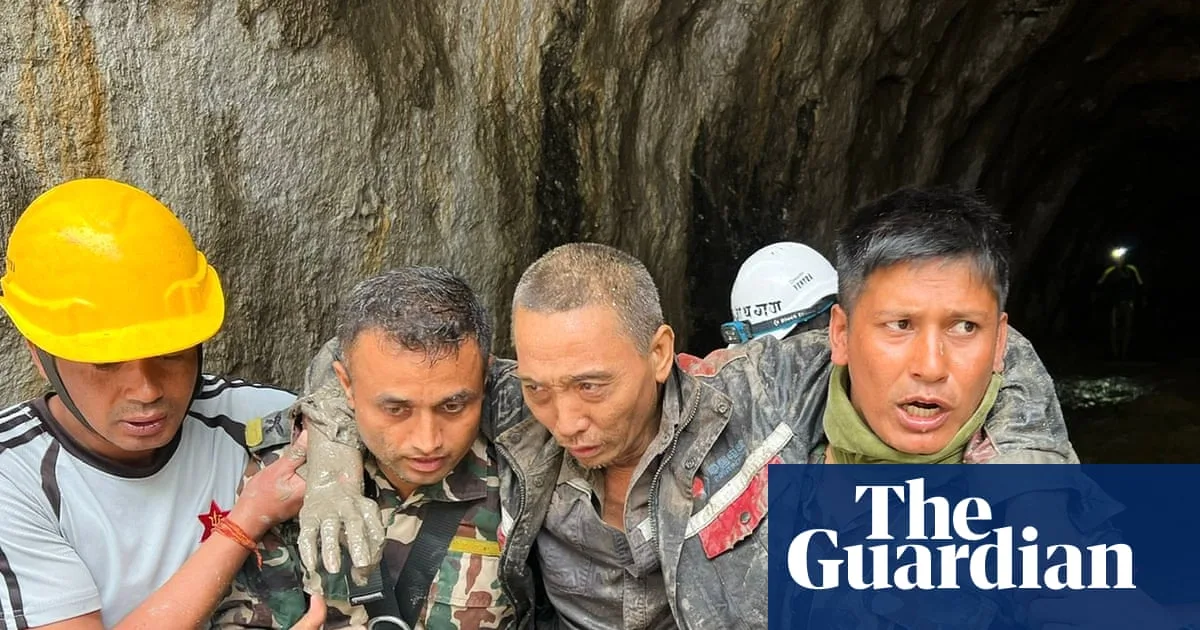
Rescue teams have pulled at least four survivors from submerged tunnels and flood wreckage, including a Chinese hydropower worker and a 64-year-old Nepali woman, all found around September 5 or 6, 10 days after the disaster [1, 2, 3, 4, 8, 7]. Chinese worker Lu Haitao was rescued from a flooded 225-meter tunnel at the Upper Trishuli-1 hydropower plant in Rasuwa district by a joint Nepali-South Korean team and flown to Kathmandu to receive medical treatment [1, 4, 8, 7]. Lu said, "I couldn’t believe it [when rescuers found me]" [4].
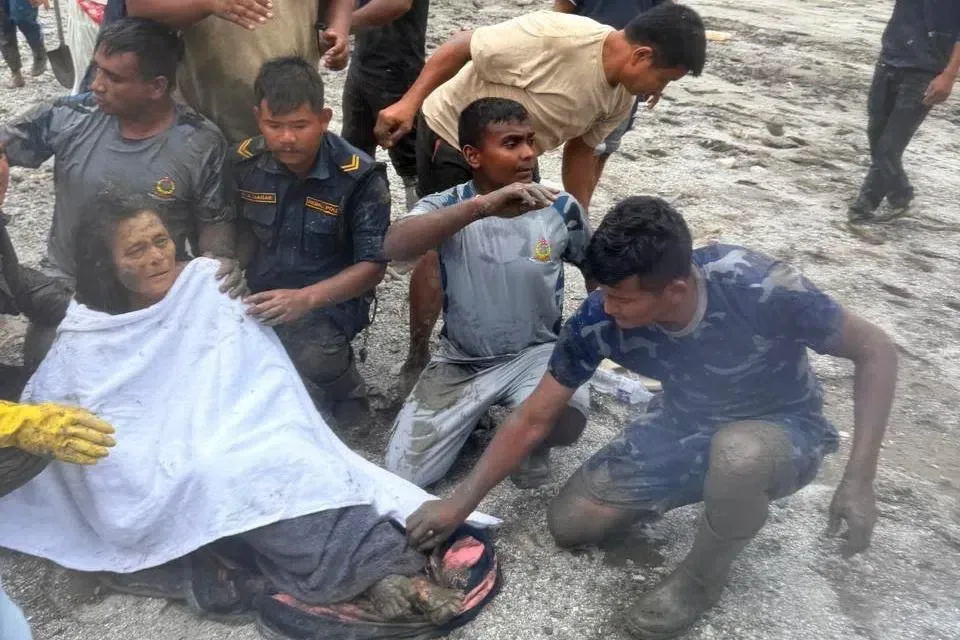
The Nepali survivor, Chandika Kumari Shrestha, was found alive in her collapsed home in Betrawati village after her family had begun mourning rites following 10 days of her being missing. Police officer Mahendra Darnal described, "The four-storey house was swept (away) by the floods, and the house was left in the middle of a quicksand. While walking around it, we heard a voice: ‘Save me’" [2, 3, 4, 7].
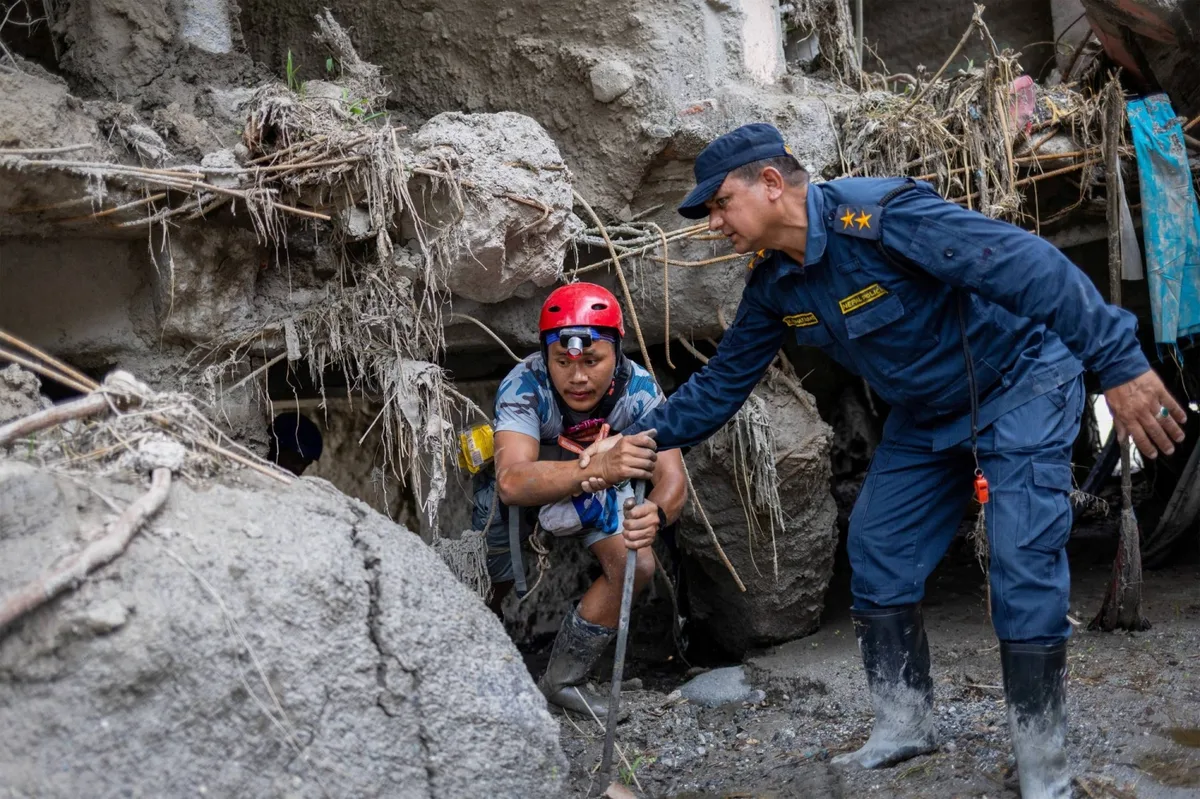
Around 900 workers are still unaccounted for at hydropower sites across Nepal, with roughly 500 believed trapped inside tunnels at about a dozen projects [1, 4, 5, 7]. Nepal’s Energy Minister Biraj Bhakta Shrestha said, "Search and rescue is going on at the tunnels despite geography, adverse weather and lack of connectivity" [5].
Search and rescue efforts continue amid difficult terrain, mud, and poor communications. Ground-penetrating radar and teams from India, China, South Korea, and the US are supporting operations [1, 4, 5]. Nepal’s national disaster agency reported 1,384 deaths and nearly 5,000 missing within Nepal alone, with additional casualties in Tibet, China [4, 5, 6].
The United Nations launched a $50 million emergency appeal to assist over 84,000 people affected by the floods, warning of risks of cholera and other diseases and calling for urgent sanitation and humanitarian aid [5, 6]. UN Resident Coordinator Lila Pieters Yahia said, "You lose your home, you lose your livelihood, you lose your loved one and you lose the breadwinner of your family, and you know, this happened in one to two minutes" [6].
Nepal has formally filed a climate compensation claim with the UN, seeking funds to cover the extensive losses and pointing to the historical responsibility of major greenhouse gas emitters, according to Foreign Minister Shisir Khanal [5].
The search and rescue operation continues as of September 7, with teams working to locate the hundreds still missing and provide care for those rescued.