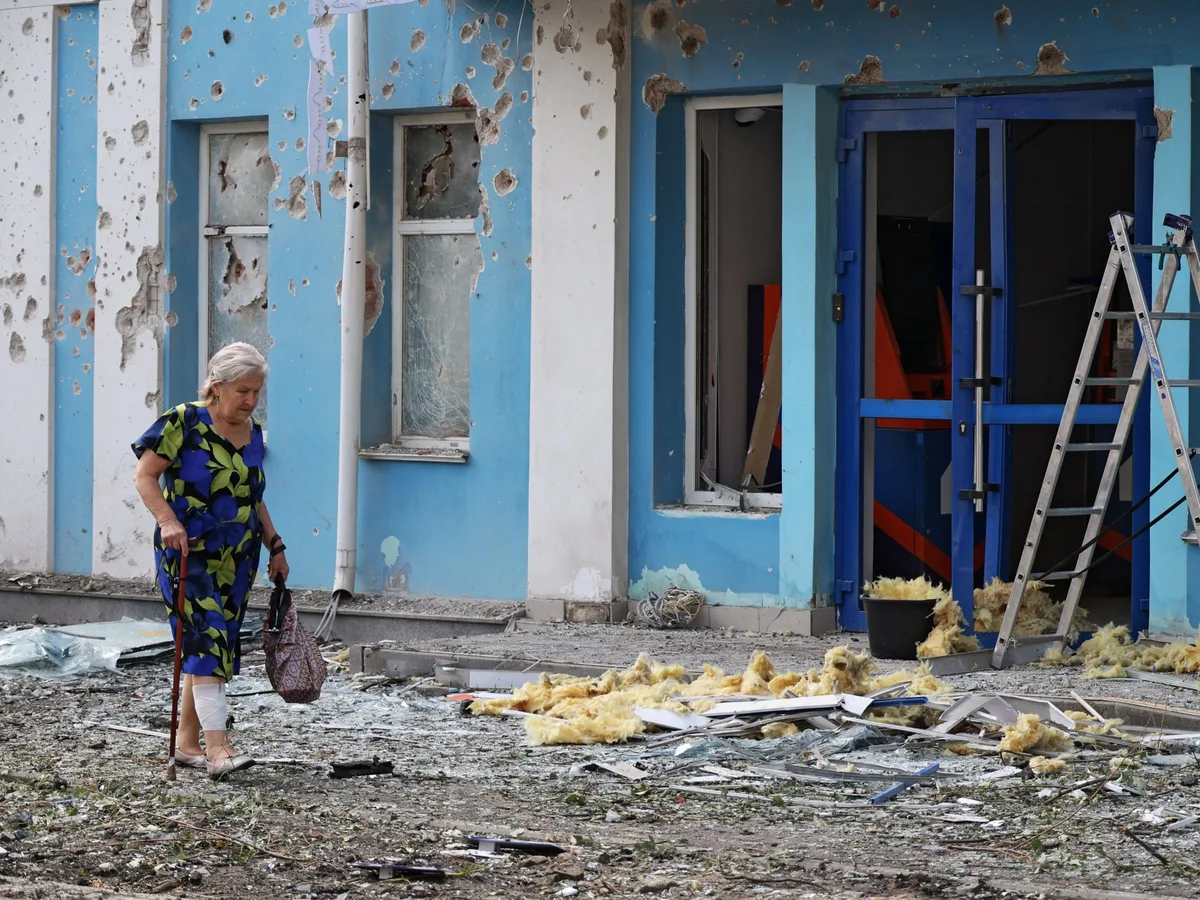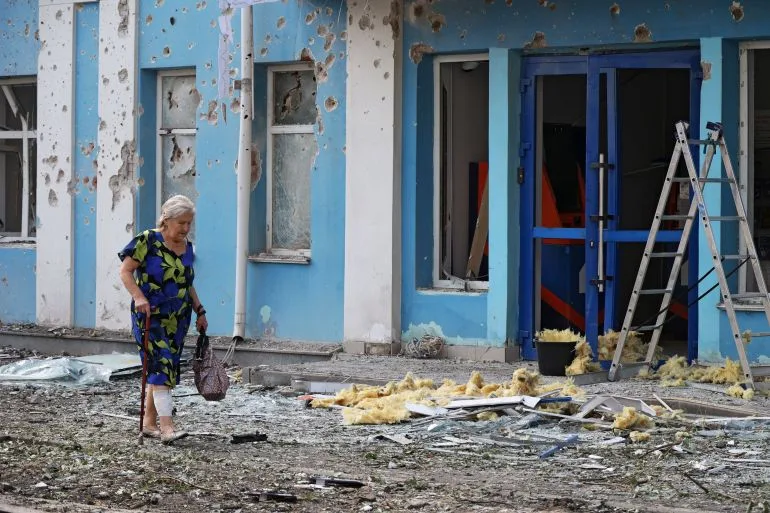
Ukraine launched a large-scale drone and missile attack overnight on August 16 targeting Russian regions including Moscow Oblast, Belgorod, Rostov, Kursk, and occupied Ukrainian territories, killing at least 16 people across Russia and occupied areas, according to multiple sources [1, 2, 3, 4]. Russia intercepted 822 Ukrainian drones nationwide during the assault, shooting down dozens of aerial bombs, guided missiles, and hundreds of fixed-wing drones in several regions overnight [1, 5, 2, 3, 4].
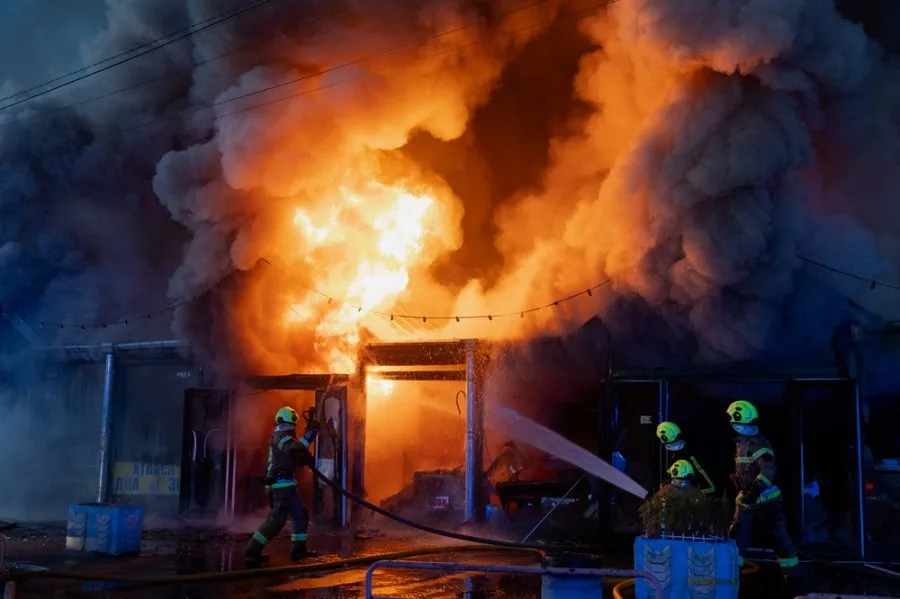
Among the hardest hit was Moscow Oblast, where logistics hubs and e-commerce warehouses were targeted. Ukrainian strikes severely damaged about 20 warehouses of Wildberries, Russia's largest e-commerce platform serving 50,000 to 80,000 sellers across 11 time zones. The attacks caused large fires and estimated losses up to $6 billion, damaging roughly 20% of Wildberries’ warehouse space [6, 5, 2, 3, 7]. Mark Galeotti of Mayak Intelligence noted these warehouses lacked military protections and were not designed to withstand drone attacks [6]. Analysts say the strikes aim to disrupt military supply chains, stir public discontent, and pressure Russian banks, risking a domino effect on the economy [6].
Russian officials reported that a Ukrainian missile strike on August 17 in the Belgorod region’s Koloskovo village killed at least 6 civilians and injured 4, including a child [8, 9]. Other sources report at least 6 deaths across multiple Russian regions including 5 in Rostov and 1 in Moscow Oblast, reflecting some discrepancies in casualty reports [1, 2, 3, 4].
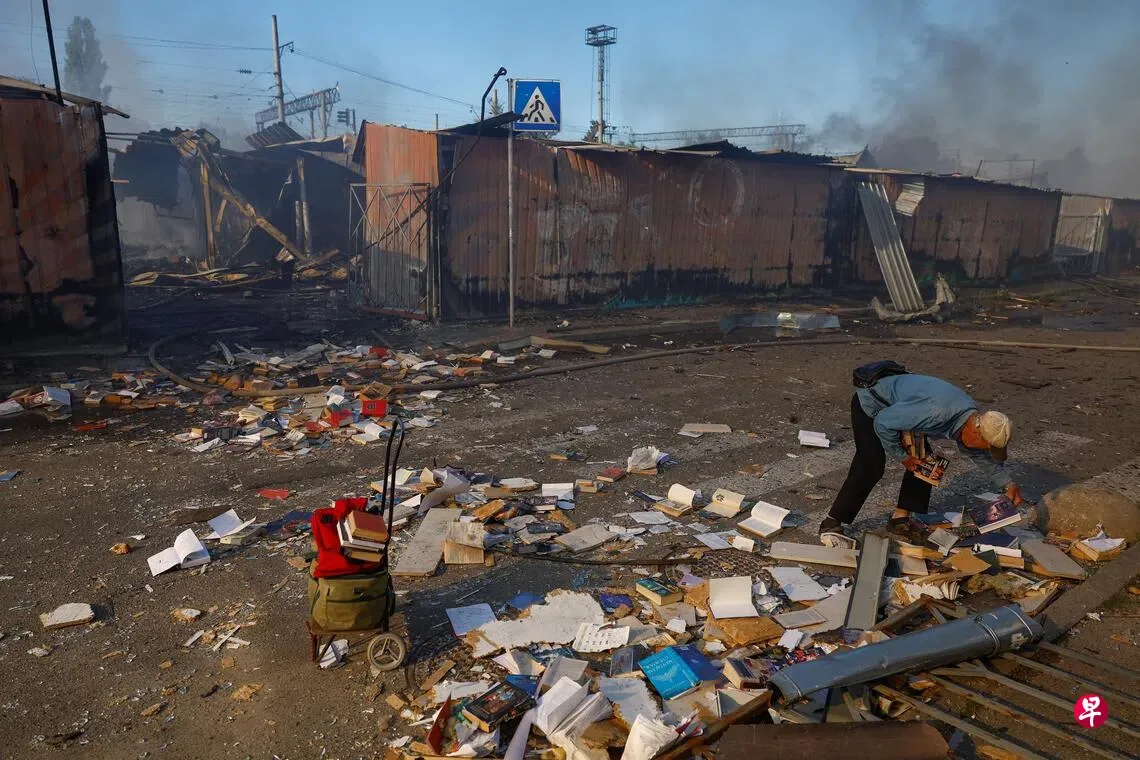
On Ukraine's side, Russian missiles and drones killed at least 8 civilians in regions such as Kryvyi Rih—Zelensky's hometown where a steel plant was hit—Zaporizhzhia, Sumy, and Donetsk. In Kyiv, Russian strikes destroyed the outdoor book market, including rare and valuable books [1, 3, 10].
President Volodymyr Zelensky called for more Western air defense systems, highlighting the intense Russian offensive: “Over the past week, Ukrainian cities have endured more than 1,550 attack drones, nearly 1,560 guided bombs, and 62 missiles,” he said [1]. Zelensky also warned that “wherever Russian ballistic missiles can reach, they will attack civilian infrastructure.”
UN reports civilian casualties at their highest monthly level since 2022, with 437 civilians killed in Ukraine and 79 killed in Russia during July 2026 [3, 10].
Russian military retaliated against Ukrainian military and industrial sites, including refineries, shipyards near Odesa, patrol boat harbors, ports, and transport vessels [8, 5, 9]. Public concern in Russia is rising as key civilian infrastructure is increasingly targeted, with experts noting the conflict's impact extending into the daily lives of ordinary Russians, highlighted by attacks on Wildberries warehouses [6, 11, 7].
Ukraine’s drone campaigns against Wildberries warehouses began in July 2026 and escalated into August, causing billion-dollar losses and significant fires [6, 7]. The largest assault to date occurred the night of August 15-16 with 600 to 822 drones attacking Moscow region and key infrastructure [1, 2, 4].
The drone and missile strikes continued into August 17 with ongoing exchanges of fire, leaving damaged infrastructure and multiple civilian casualties on both sides.