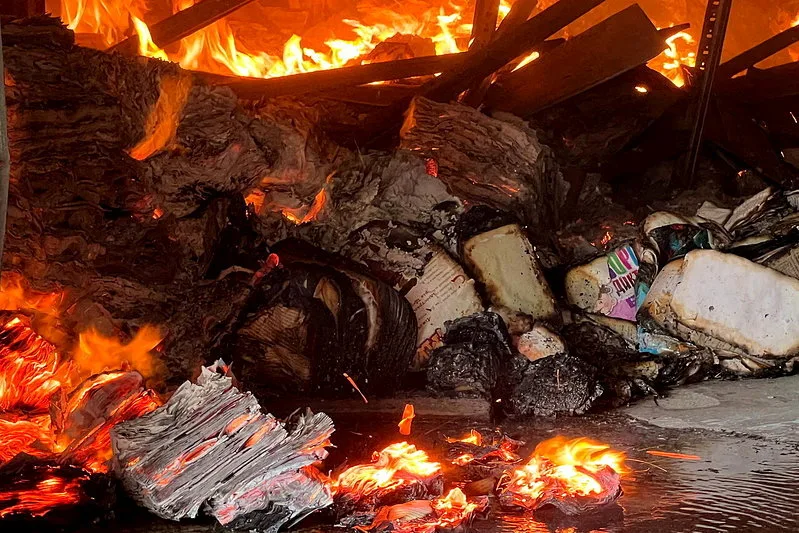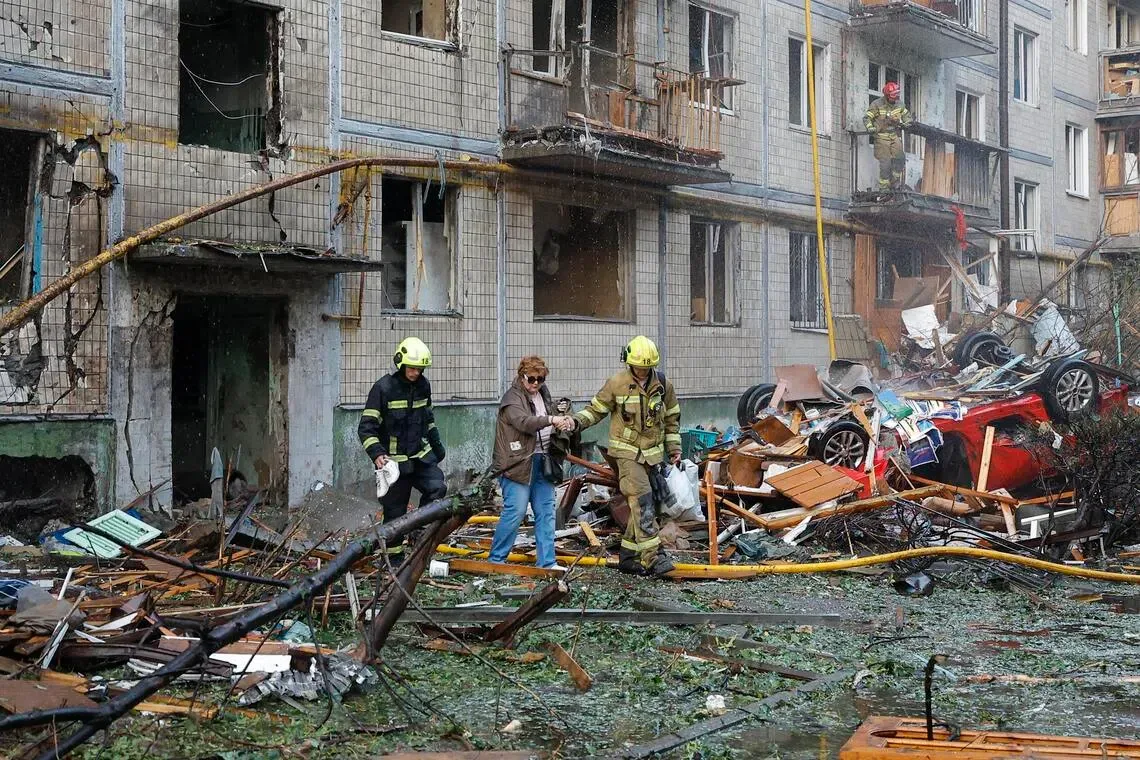
Russia fired 376 missiles at Ukraine in July 2026, more than double the number launched in June 2026, marking the highest monthly total since the war began [1, 2, 3, 4, 5]. The July 2 night missile strikes on Kyiv killed at least 30 people, one of the deadliest attacks in the conflict so far [1, 2, 3, 4, 5].
In addition to missiles, Russia launched 4,956 long-range drones at Ukraine in July, a 14% decrease compared with June [1, 2, 3, 4, 5]. However, Russia sharply increased its use of ballistic missiles, firing 126 in July alone compared with an estimated 200-300 in all of 2024 [1, 2, 3, 4, 5]. Ukraine intercepted under a third of these ballistic missile attacks, highlighting growing vulnerabilities in its air defenses [1, 2, 3, 4, 5].
Ukrainian President Volodymyr Zelensky has warned of critical shortages in air defense systems needed to counter the rising missile threat. He visited the White House in late July to push for increased supplies of US-made Patriot missile interceptors [1, 2, 3, 4, 5]. Former US President Donald Trump, who initially supported allowing Ukraine to produce Patriot interceptors, recently expressed reservations, saying, "We have to be very careful about that decision." [1]
Russia renewed missile strikes on Kyiv on August 1, killing at least nine people [1, 2, 3, 4, 5]. Ukraine continues to rely heavily on allied weapon supplies to defend against missile and drone attacks.
The escalation in missile numbers and deadly strikes in July followed the devastating July 2 attack, with continued violence into August underscoring ongoing hostilities. Zelensky’s appeal in Washington marks a key diplomatic effort to secure stronger air defenses amid the renewed barrage.