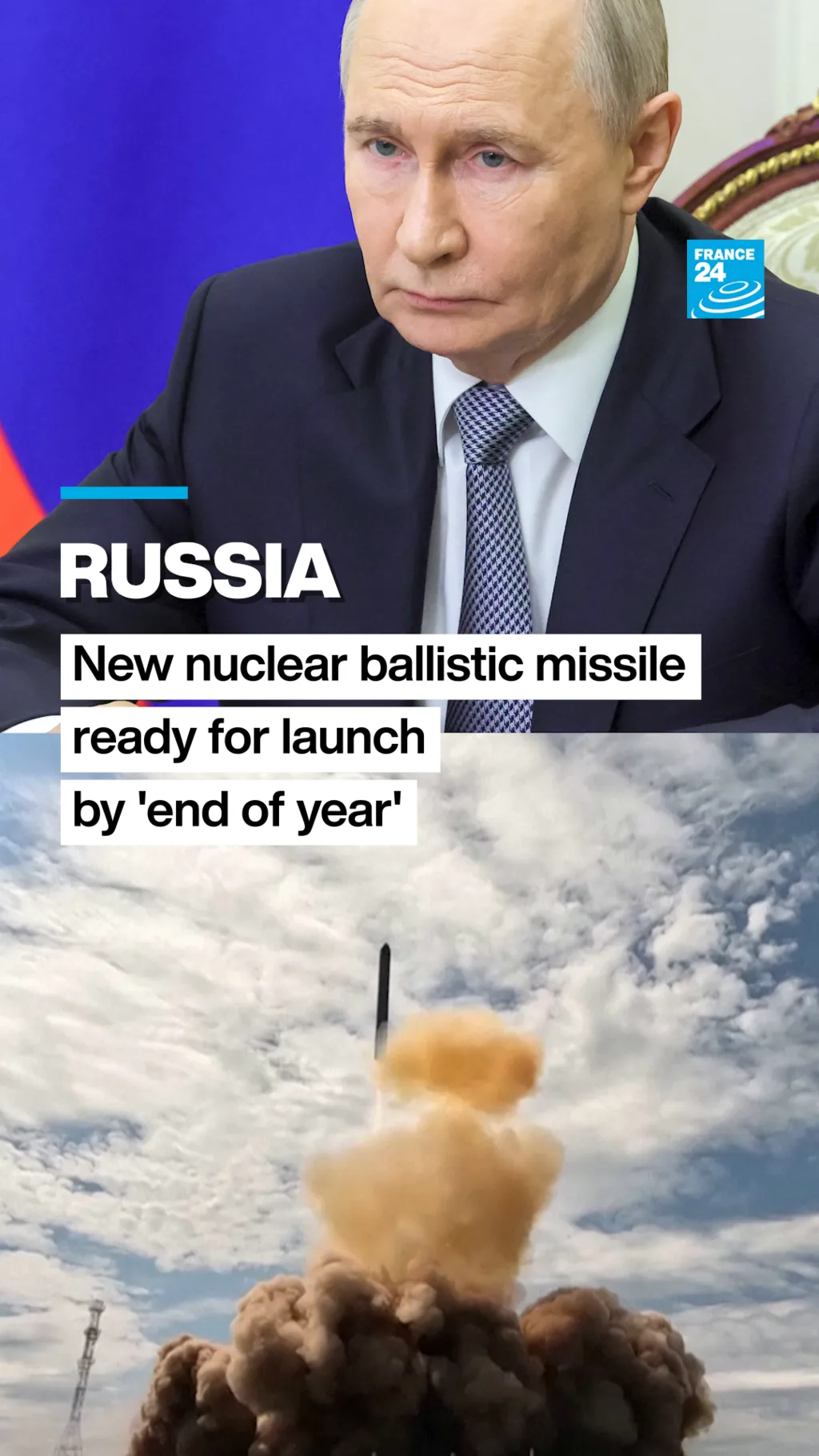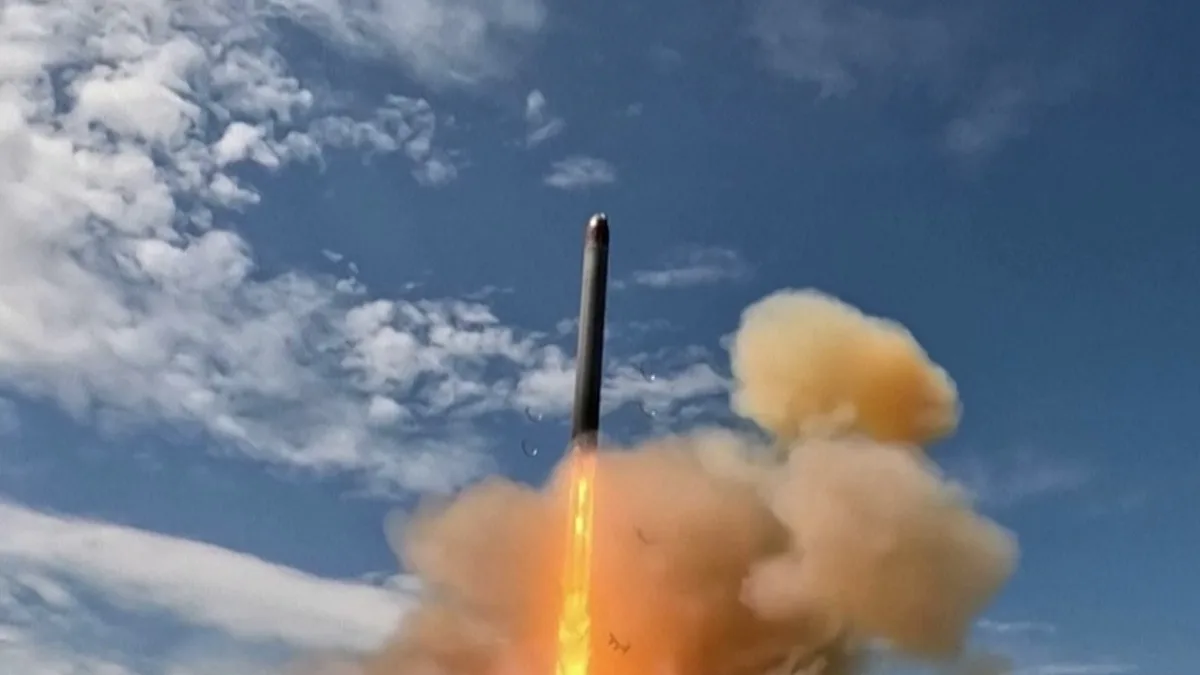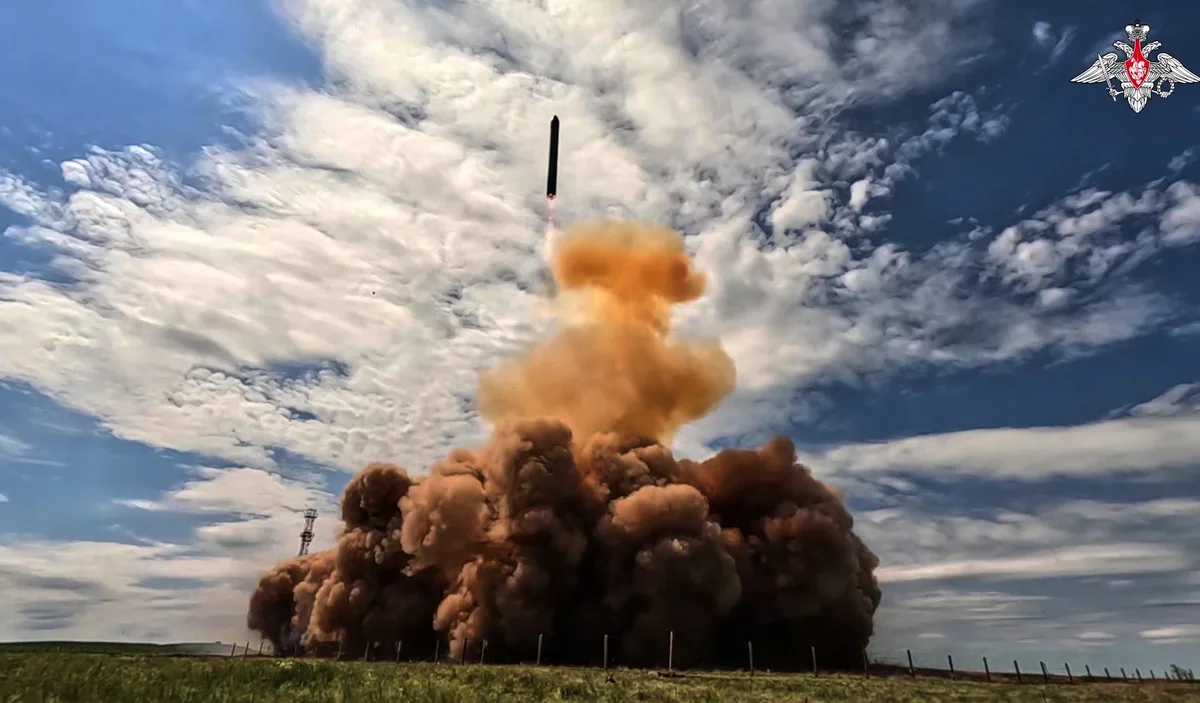
Russia said it successfully test-fired its new nuclear-capable Sarmat intercontinental ballistic missile on Tuesday, and President Vladimir Putin said it would enter combat service by the end of 2026. [1, 2, 3, 4, 5, 6, 7, 8, 9, 10]
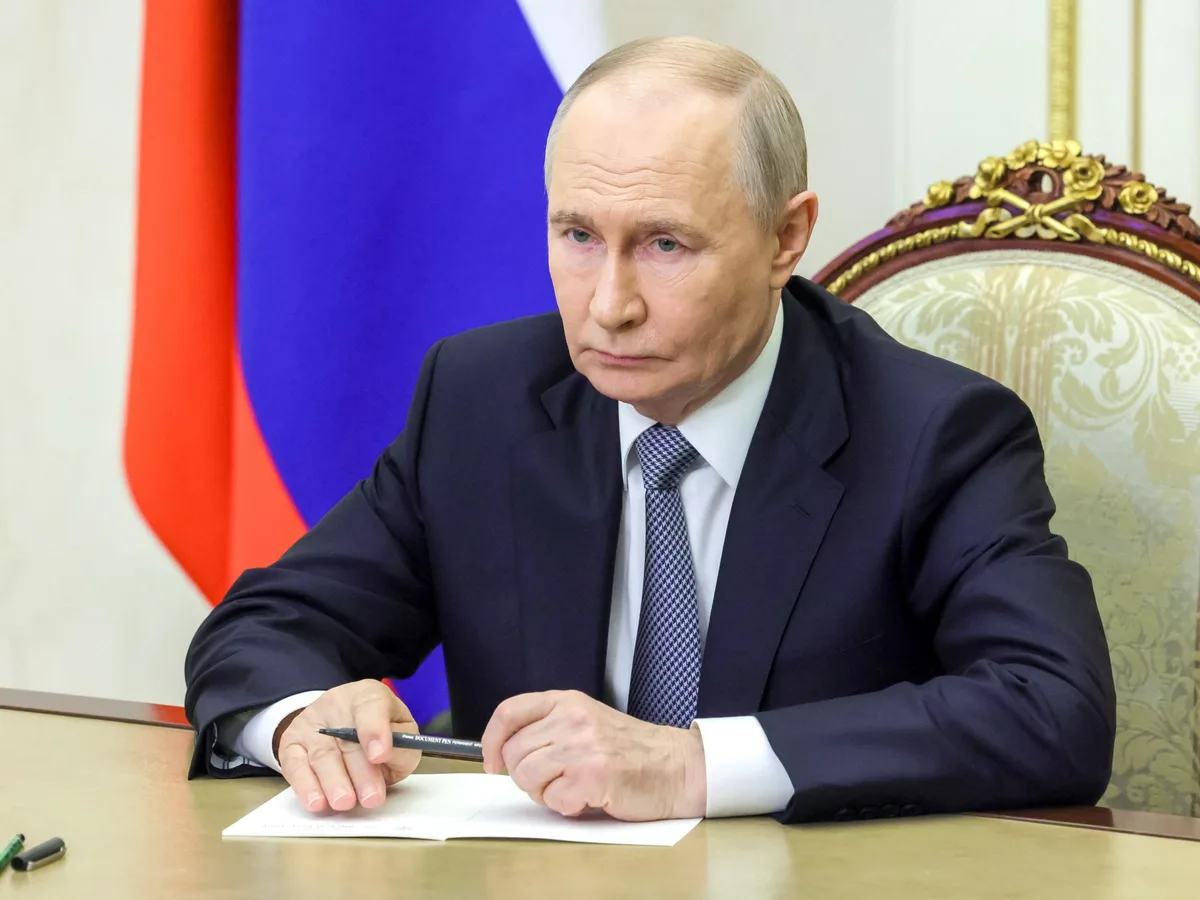
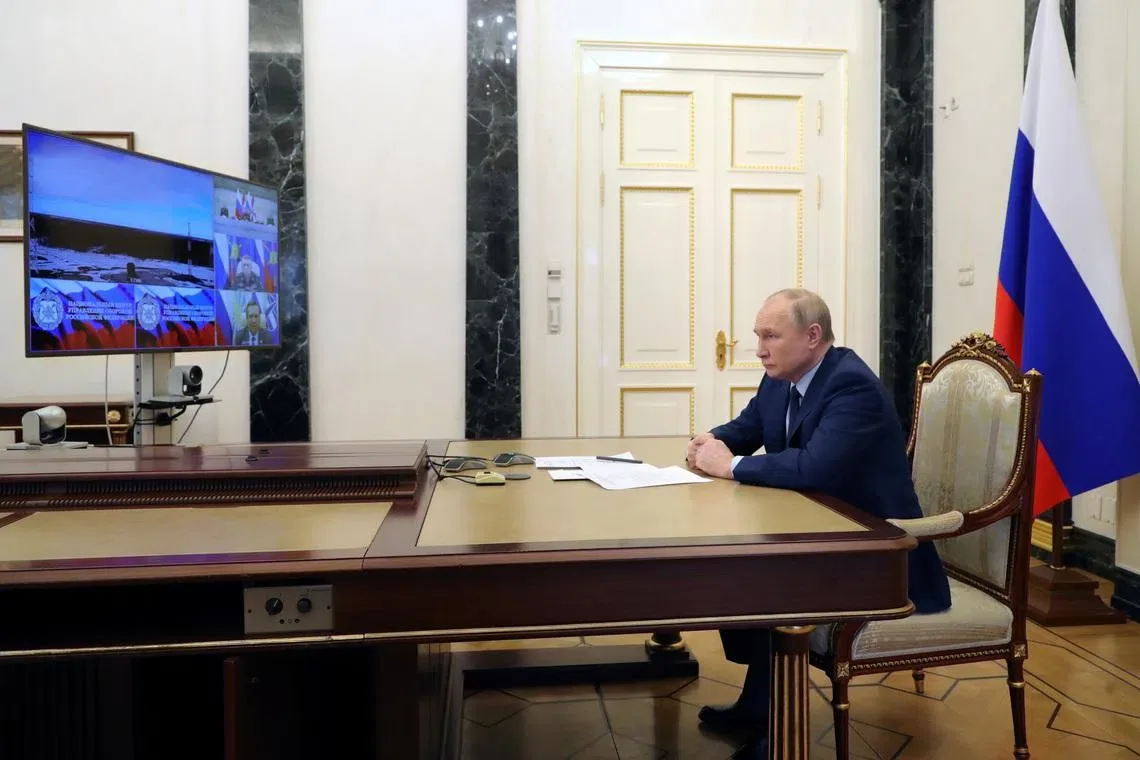
State television showed Sergei Karakayev, commander of Russia's strategic missile forces, reporting the successful launch to Putin. Putin called Sarmat "the most powerful missile in the world" and said it has the ability to penetrate all existing and future anti-missile defence systems. [1, 2, 3, 4, 8, 9]
Putin said the missile's warheads have more than four times the power of any Western equivalent and claimed its range exceeds 35,000 km. The missile is meant to replace the Soviet-built Voyevoda, also known in Western reporting as Satan II, and reports say it is intended to replace about 40 of those missiles. [1, 2, 3, 4, 6, 7, 8, 9, 10]
The launch comes after years of delays and setbacks in Sarmat's development, including a reported failed test in September 2024 that left a deep crater or a massive explosion at the launch silo, according to reports cited by the stories. The reporting places the missile in Russia's wider effort to modernise its nuclear forces after Putin announced that plan in 2018. [1, 3, 4, 6, 8, 9]
The accounts also frame the test against the backdrop of the war in Ukraine and the expiry of New START in February 2026, which removed the last formal limits on U.S. and Russian strategic arsenals. Western analysts cited in one report put Sarmat's maximum range closer to 18,000 km, far below Putin's claim. [2, 3, 4, 6, 8, 9]
Putin said the Sarmat would be deployed by year-end, setting a deadline for Russia's next step in the program. [1, 2, 3, 4, 5, 6, 7, 8, 9, 10]