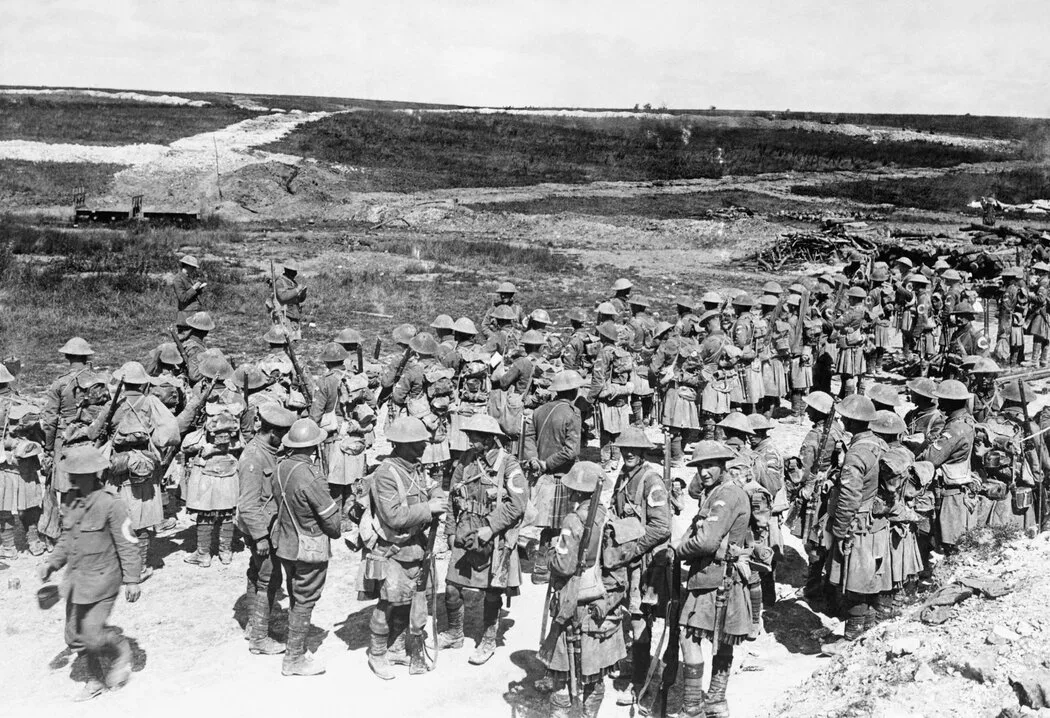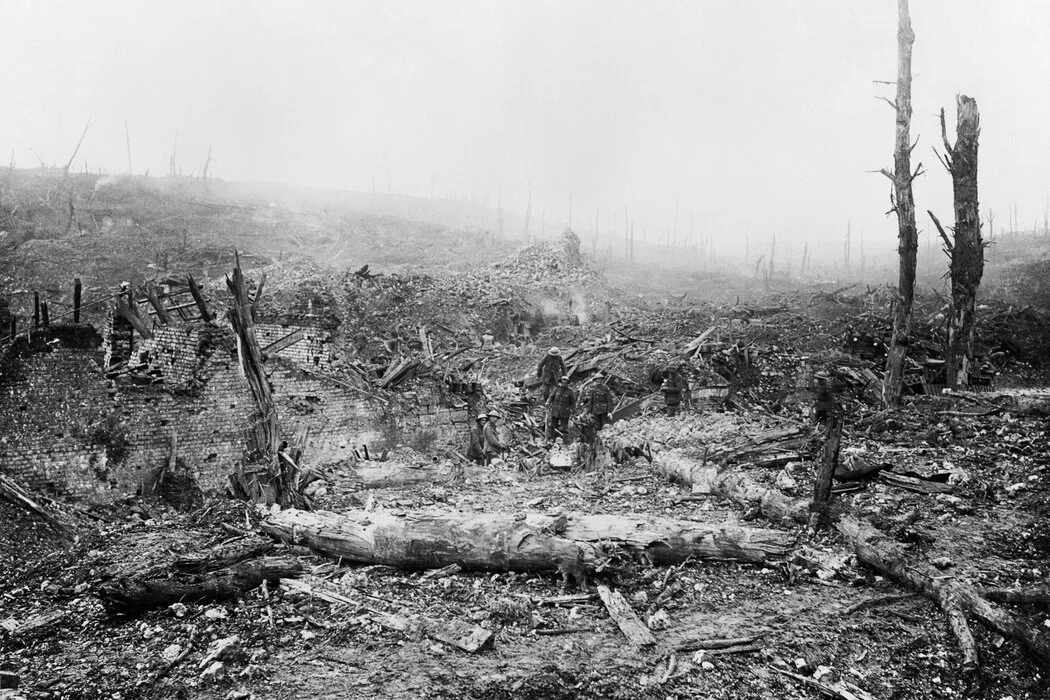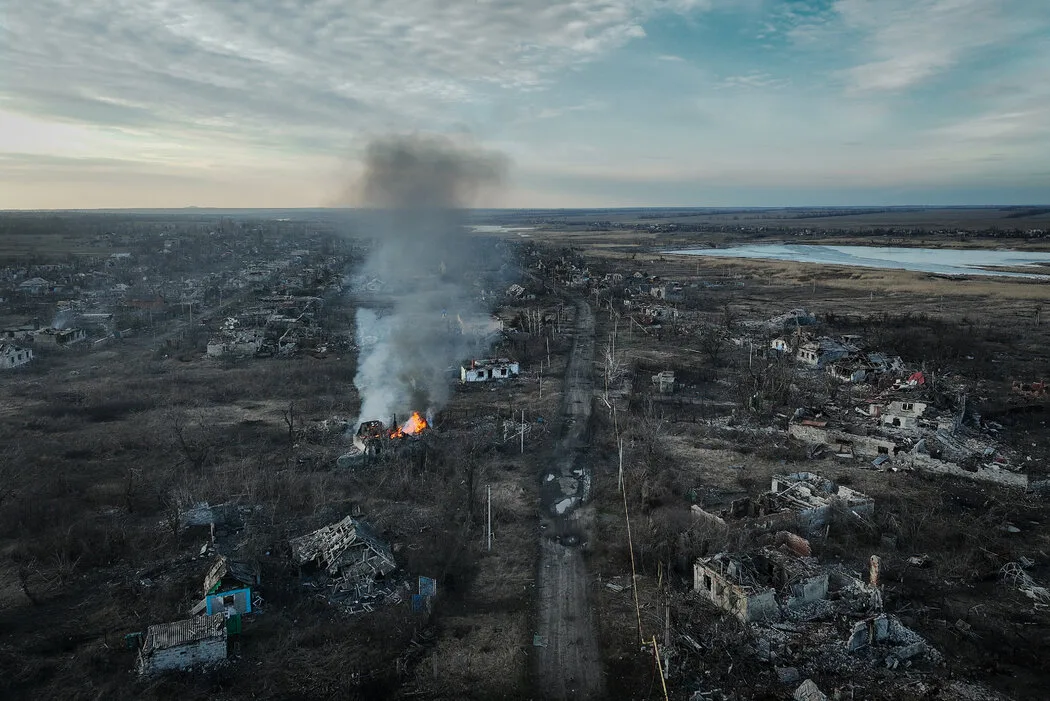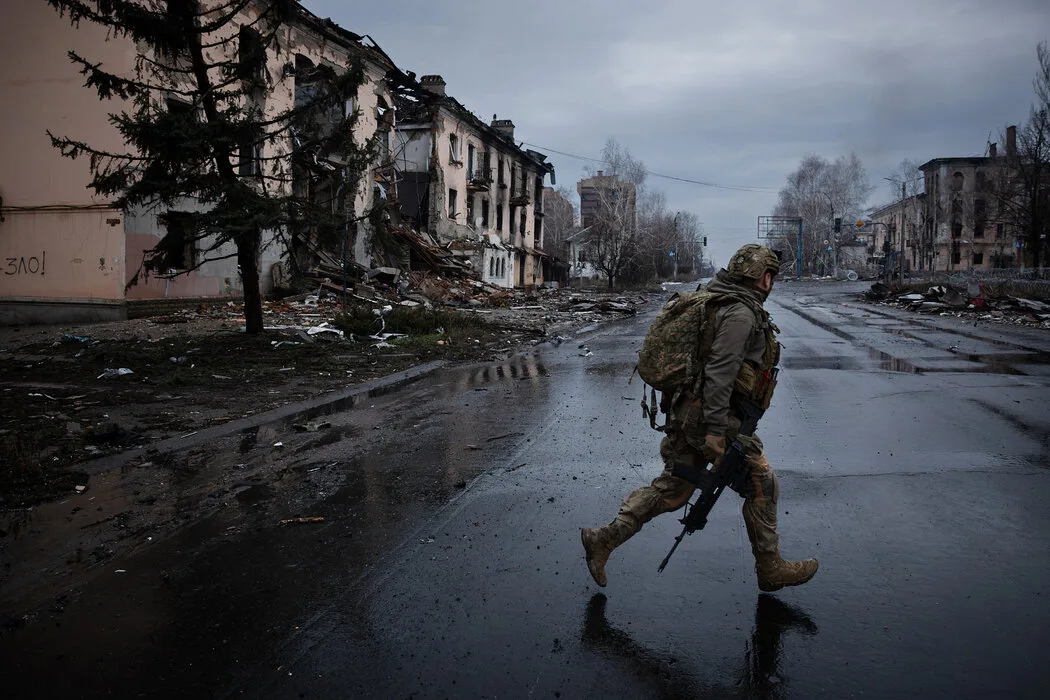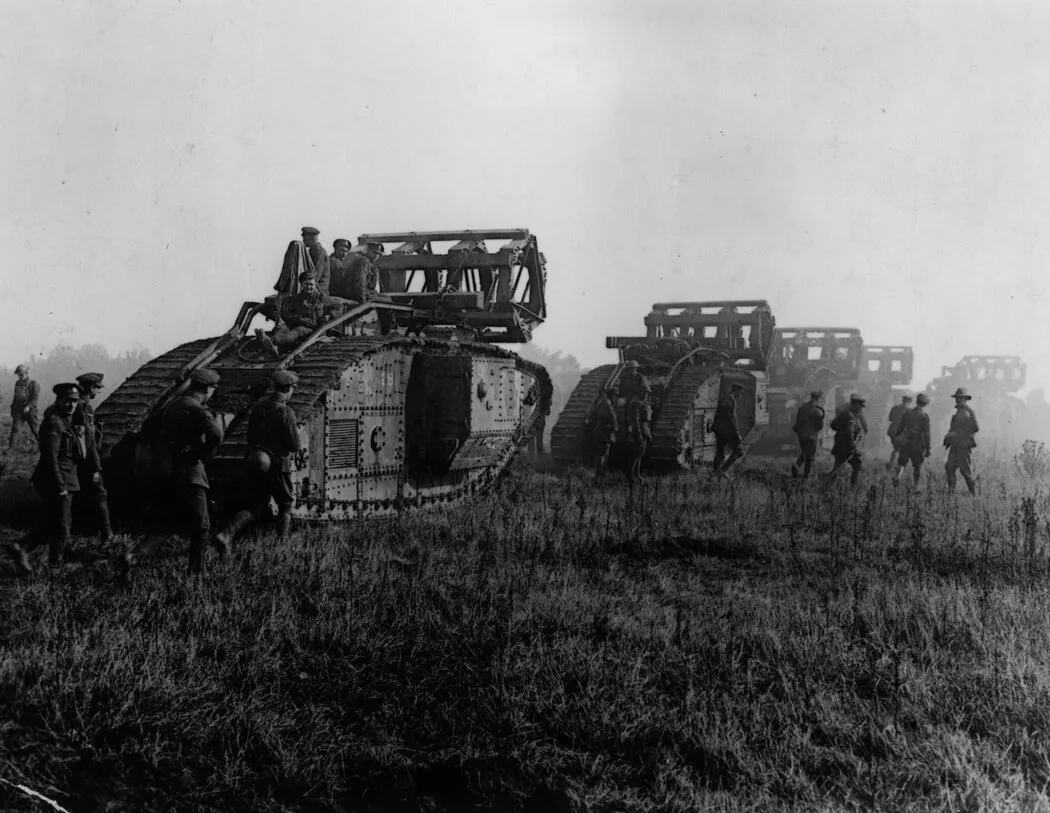
The Russia-Ukraine war reached 1,569 days on June 11, 2026, officially surpassing the duration of World War I, which lasted about four years and three months or approximately 1,566 days [1, 2, 3, 4, 5, 6, 7, 8, 9, 10].
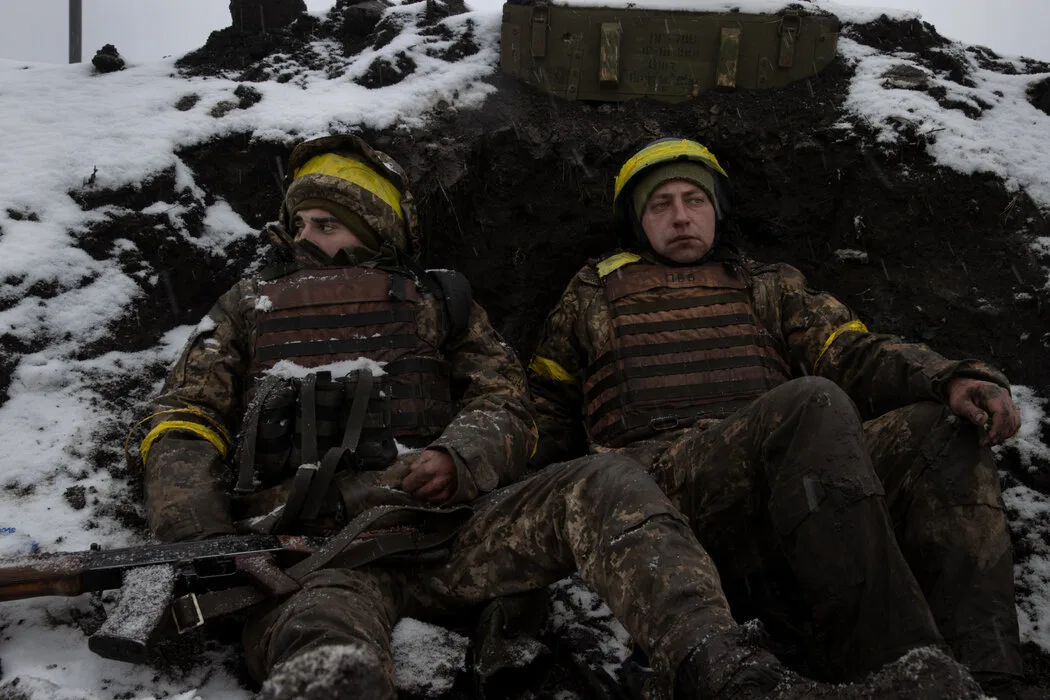
Russia launched its full-scale invasion of Ukraine in February 2022, anticipating a swift victory within days, but the conflict evolved into a prolonged stalemate and war of attrition that resembled aspects of World War I, with trenches, defensive lines, and heavy casualties [2, 3, 5, 7, 9, 10]. French military historian Michel Goya said, “In many ways, the Ukraine war is the closest modern war to World War I,” while Ukrainian historian Yaroslav Hrytsak described the war as “essentially World War I with drones added,” highlighting technological changes on the battlefield [2, 5].
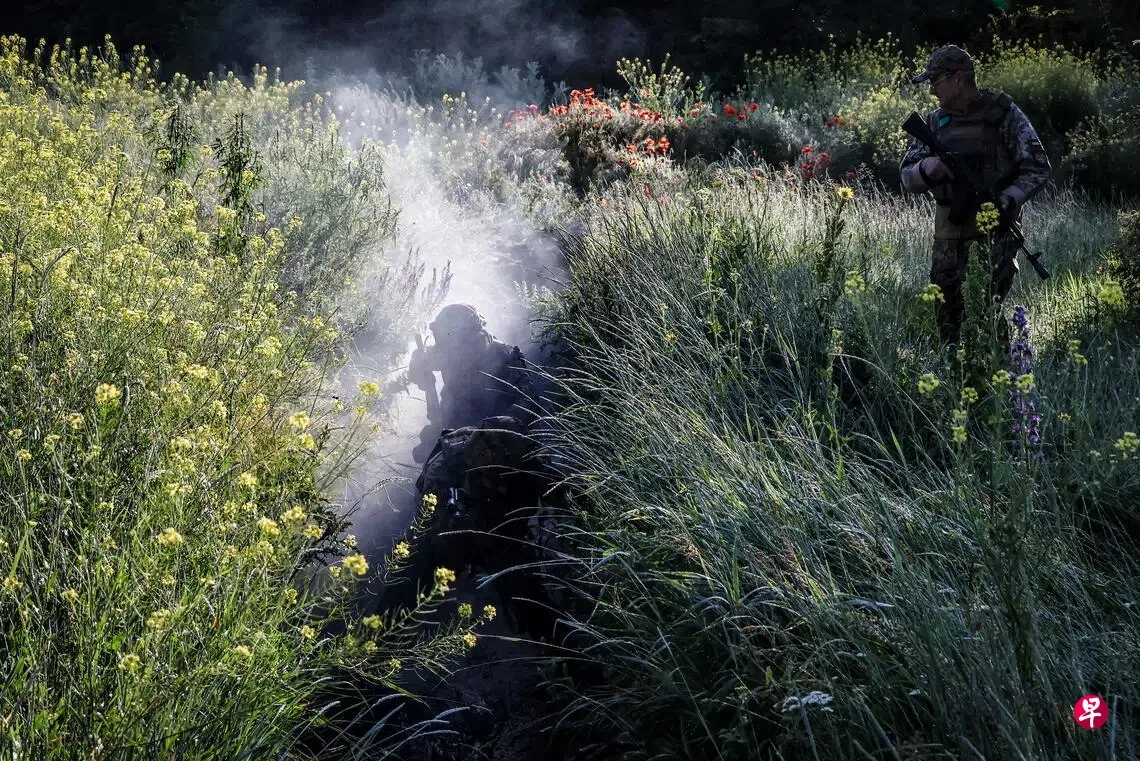
The heavy use of drones has reshaped combat tactics, replacing large open trenches and mass infantry assaults with smaller, deeper bunkers and constant aerial surveillance. Ukrainian soldiers have adapted by building deeper dugouts to avoid drone detection [2, 3, 5, 7, 9, 10, 11]. The war front has slowed in some areas, with Russian advances near Pokrovsk measuring just 75 yards per day, slower than the bloodiest World War I battles such as the Somme [5, 9].
The human cost has been severe, with around 500,000 military deaths estimated in the Russia-Ukraine war so far, compared to 9 to 11 million military deaths in World War I [2, 3, 5, 7, 9, 10]. About half of Ukrainians expect the war to continue through 2027, nearing the six-year duration of World War II [2, 3, 5, 7, 9, 10].
On June 11, 2026, British, French, and German ambassadors to Russia met with Russian Deputy Foreign Minister Mikhail Galuzin to urge direct talks between Russia and Ukraine. Galuzin accused them of pursuing a "destructive policy" aimed at prolonging the war at Europe’s expense [1, 3, 5, 9]. Leaders from the UK, France, and Germany backed Ukrainian President Zelensky’s call for direct negotiations using the current front line as a negotiating baseline [1, 3, 5, 9].
Meanwhile, the U.S. Senate Armed Services Committee approved the 2027 National Defense Authorization Act on June 11, including $750 million in security aid for Ukraine [3].
Diplomatic efforts continue amid a war now longer than World War I but marked by new technologies and tactics. Direct talks between Moscow and Kyiv remain a key focus following the June 11 meeting with Russian officials.